Frieze London
Ana Viktoria Dzinic
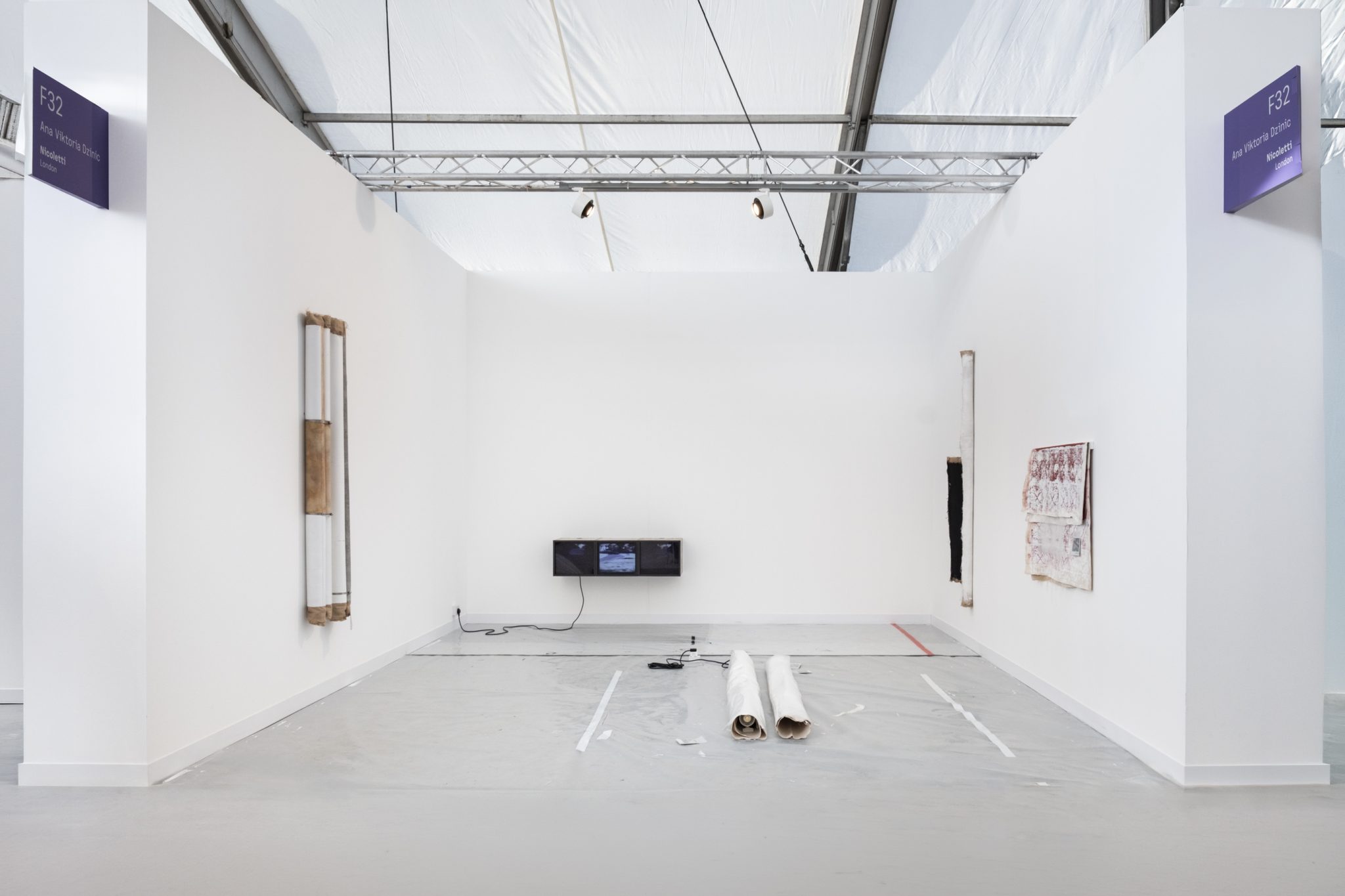
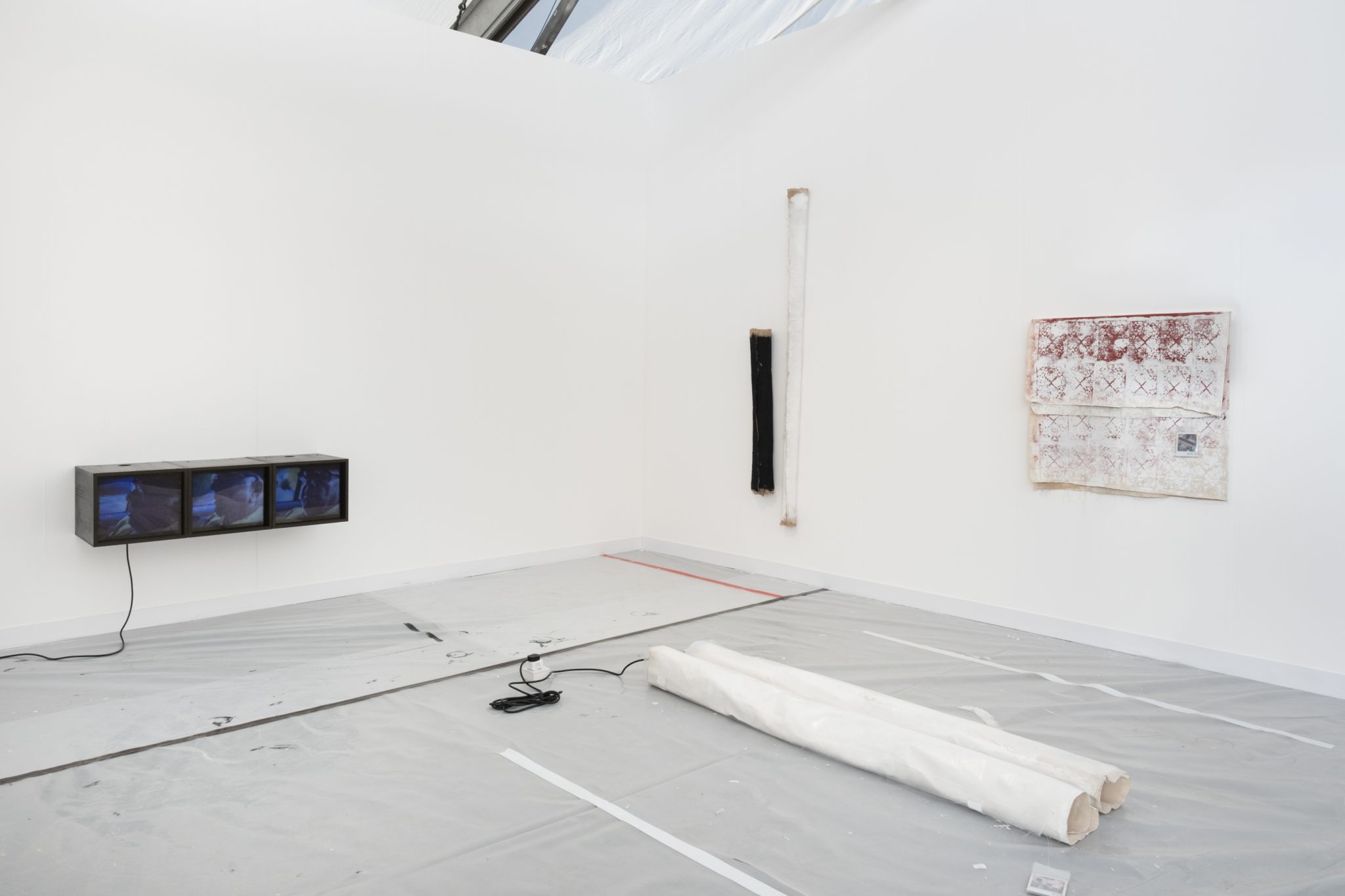
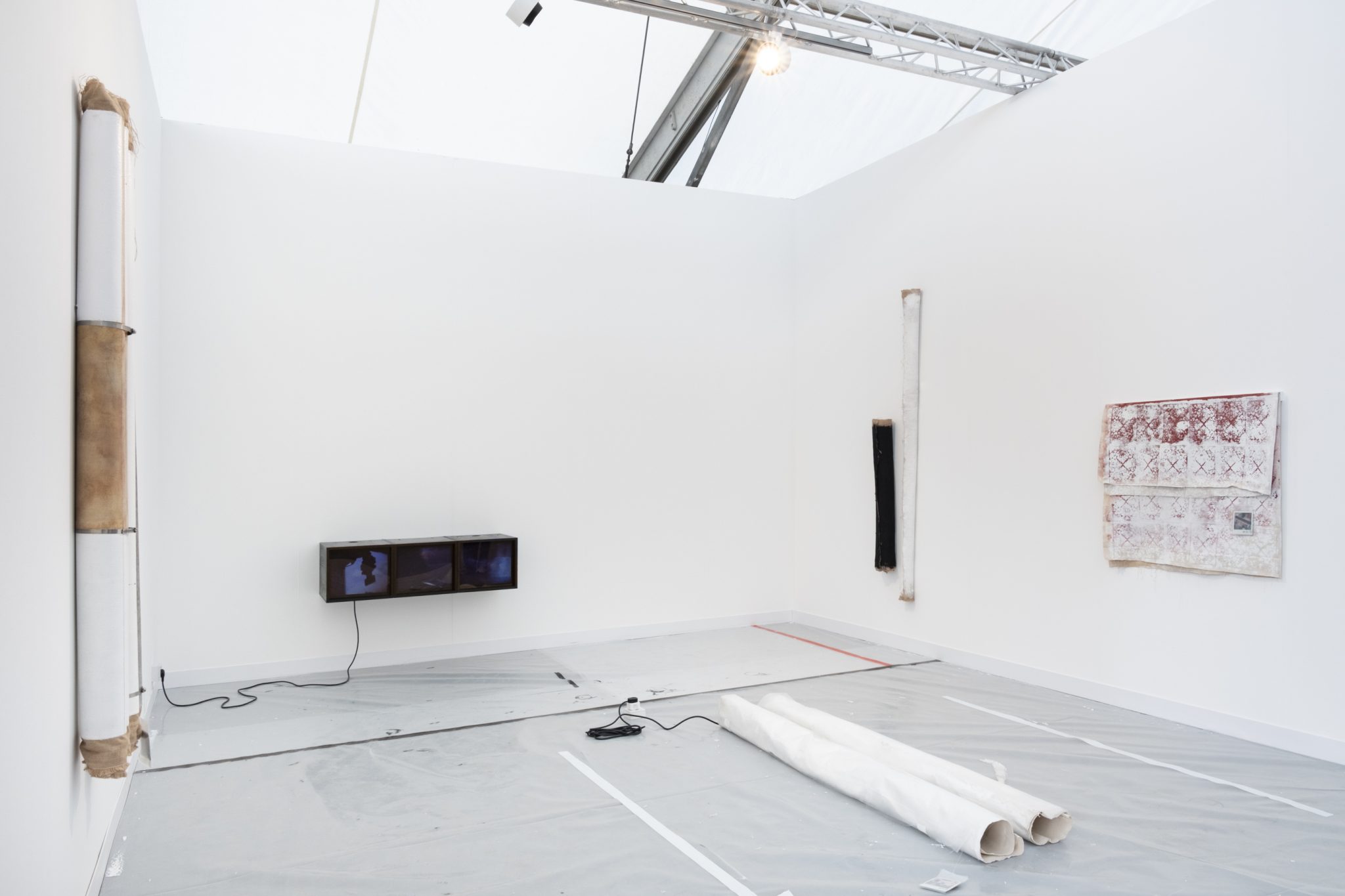
14.10.26 - 18.10.26NıCOLETTı is delighted to present its fifth participation in Frieze London, with a solo presentation by London-based German artist Ana Viktoria Dzinic (b. 1994). Bringing together a film installation and a series of paintings that are folded, rolled and materially transformed, the presentation coincides with the artist’s second solo exhibition at NıCOLETTı (26.09.26–07.11.26).
Working across photography, film, painting and installation, Dzinic’s practice investigates the ideological structures embedded within modes of image-making, examining the ways mediation produces and naturalises systems of belief. Her work unfolds through distinct series, each engaging with a new aesthetic regime that foregrounds the infrastructural and affective economies of visual production.
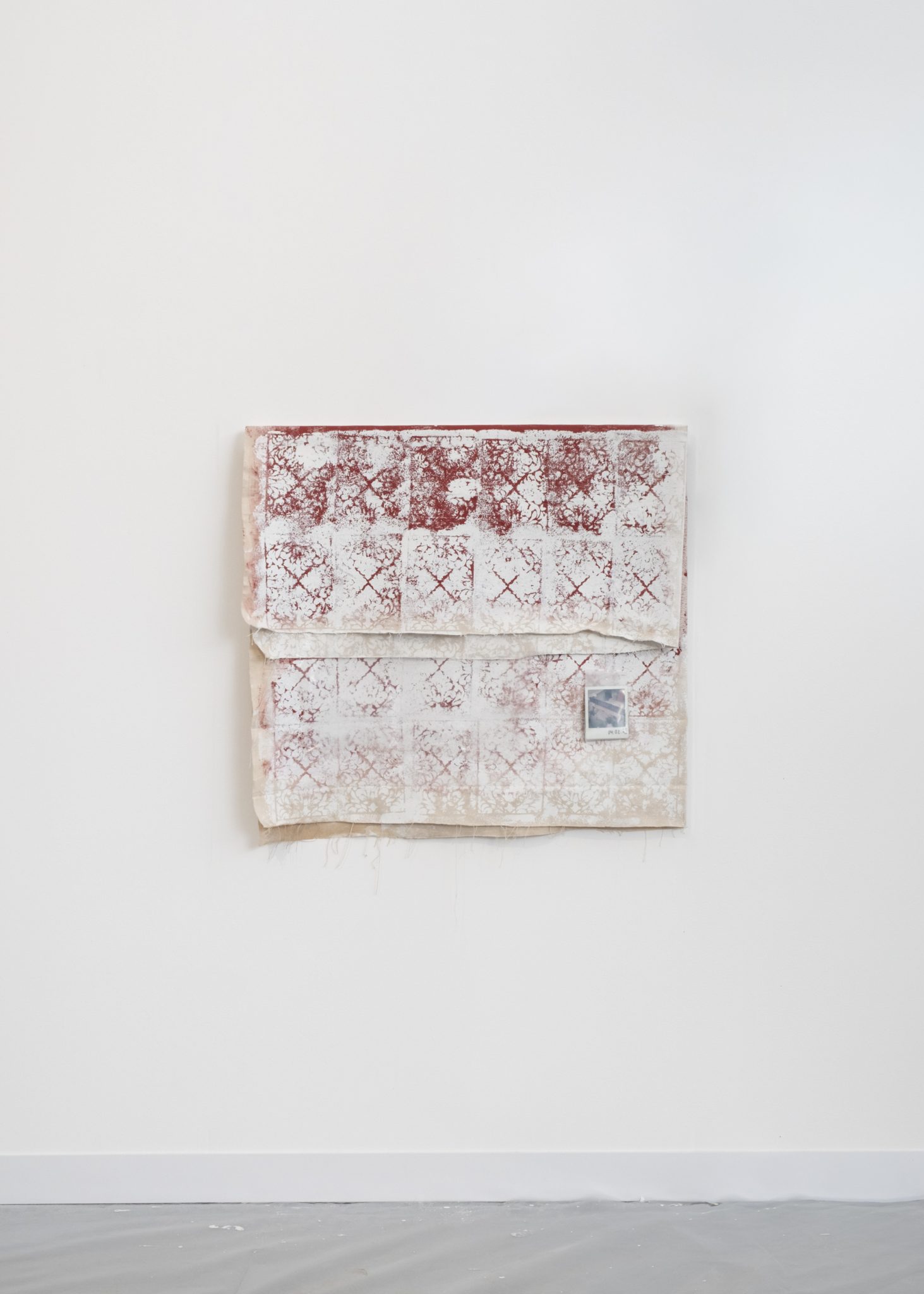
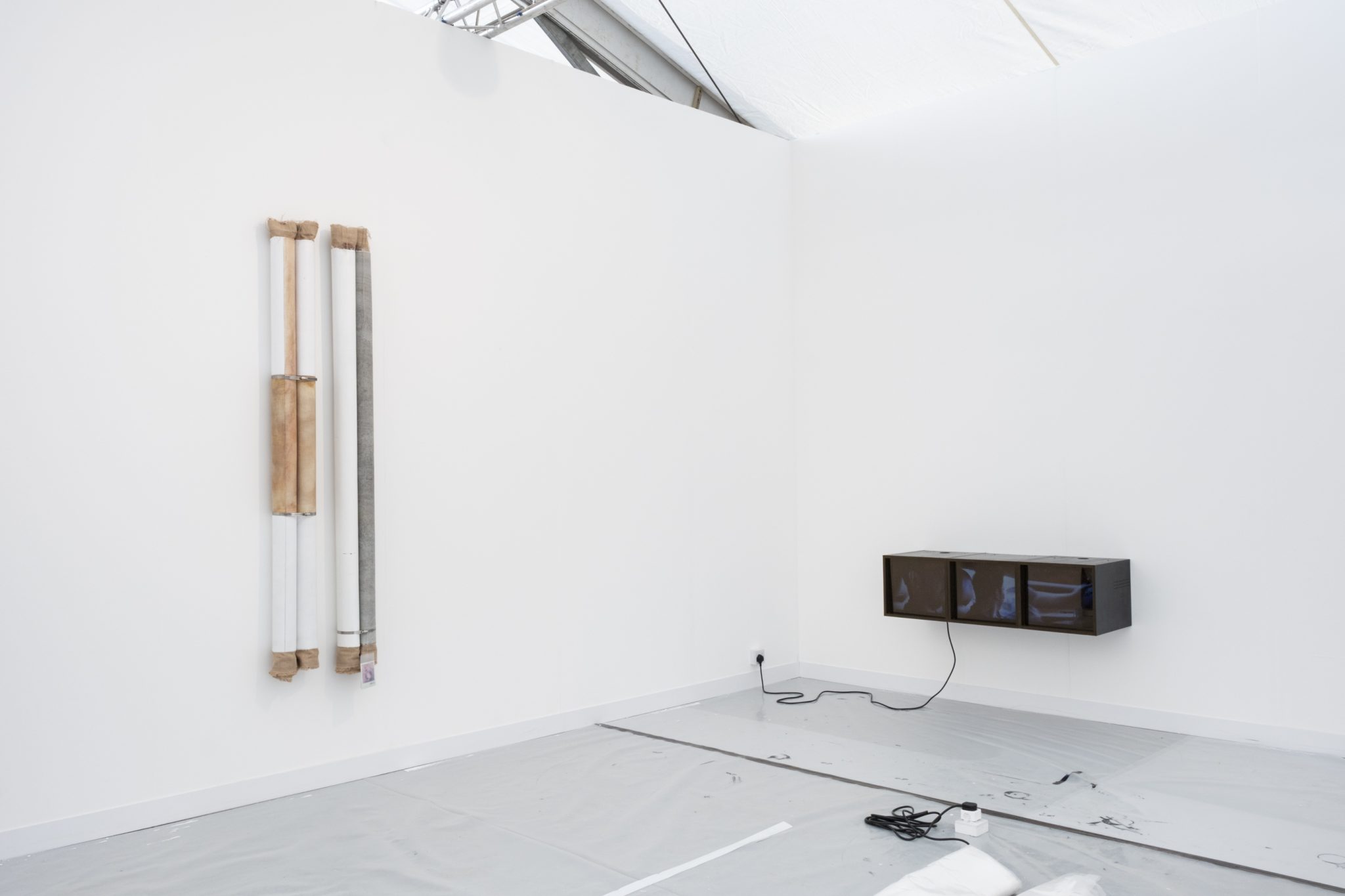
At Frieze, Dzinic presents a body of work that takes contemporary conditions of artistic labour as a point of departure for examining the waning of belief in historical progress. These ideas are addressed through a series of works that started as paintings on jute or canvas, on which she combined acrylic paint and soft pastel with photographic elements. Titled Trust Fund Junkie, the paintings feature patterns derived from printed fabrics designed by William Morris for Liberty London – a reference to the Arts & Crafts movement, which stood against industrialisation and technological progress at the dawn of modernity.
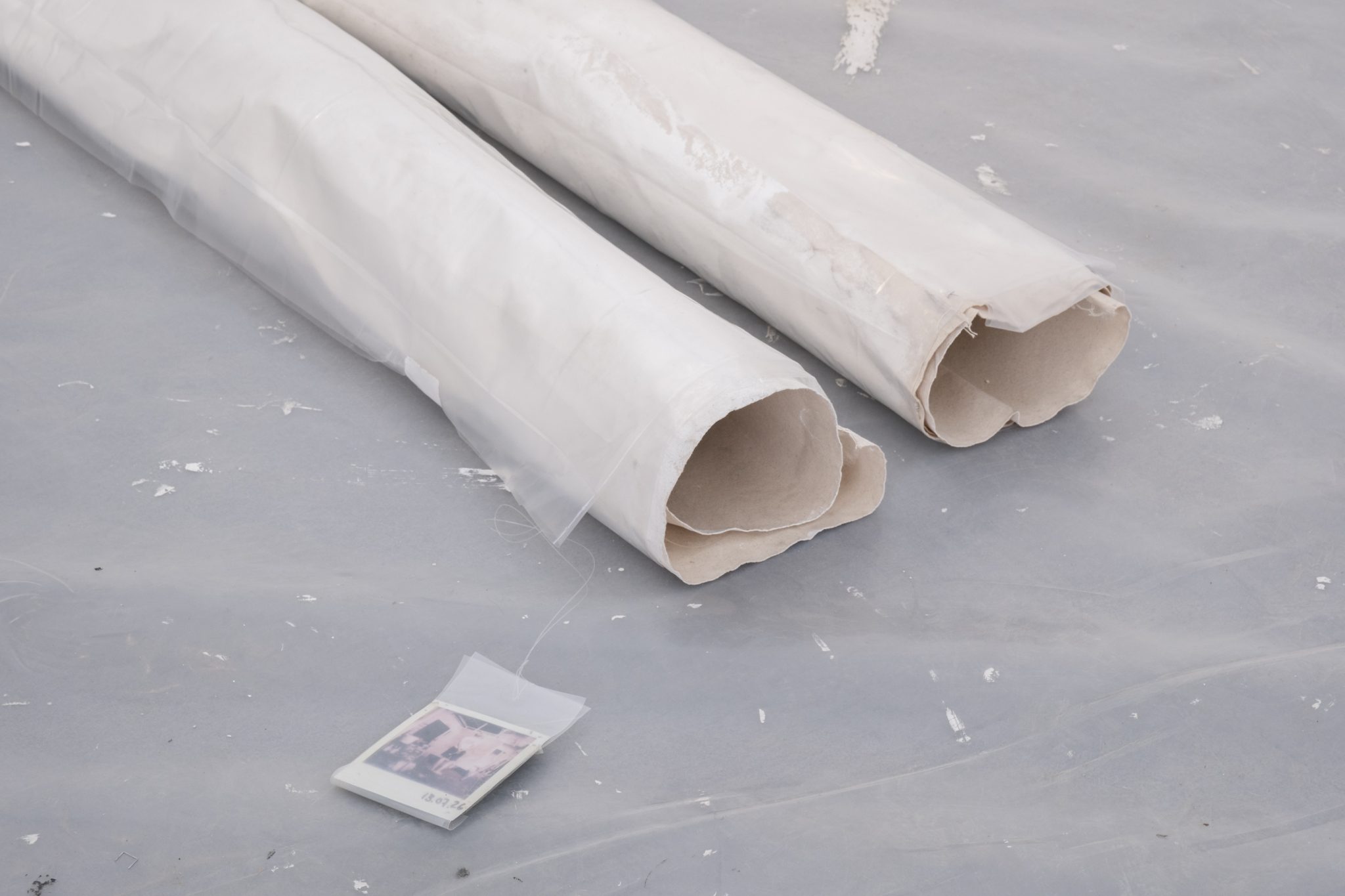
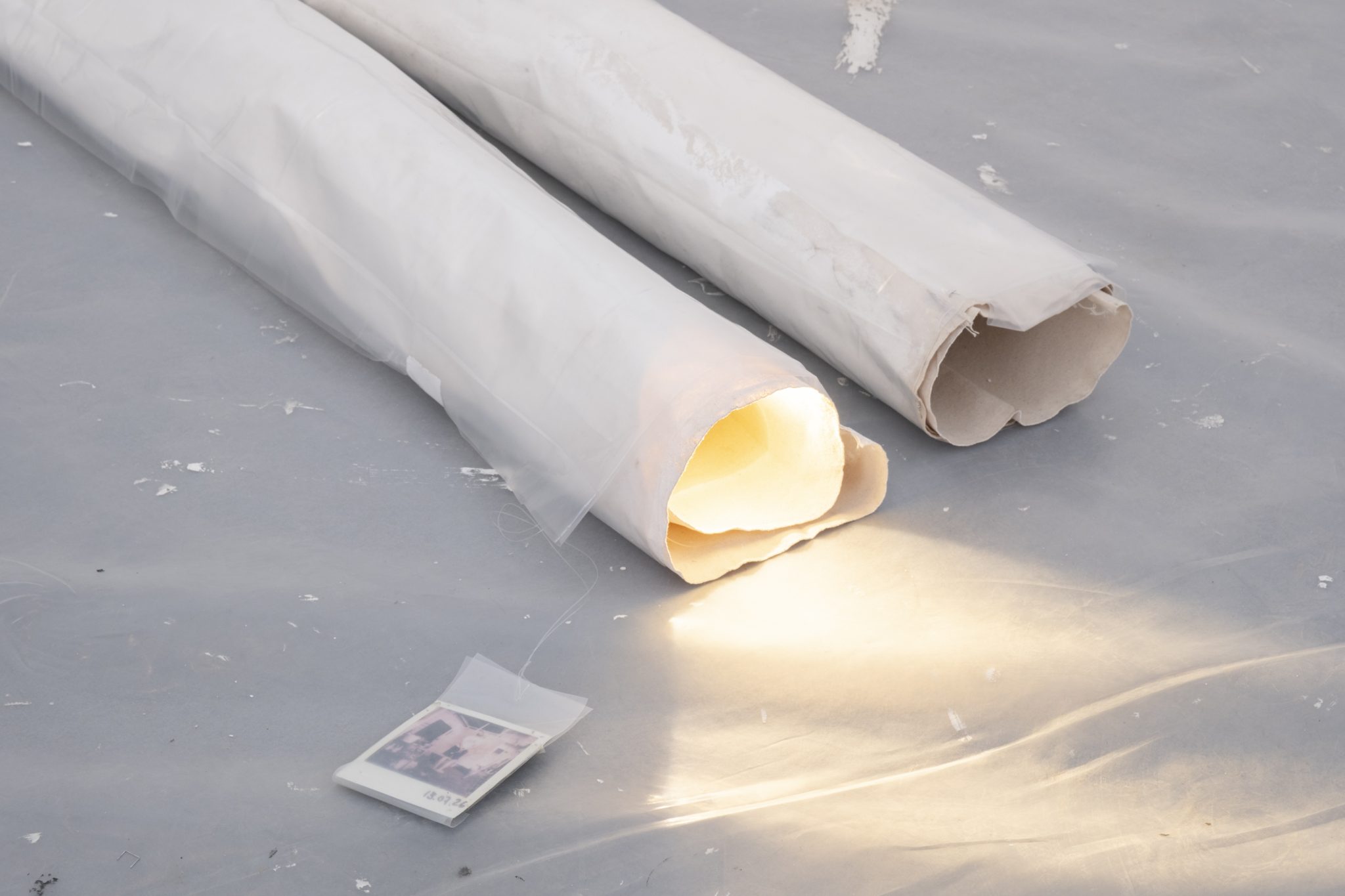
Other works reproduce apparently abstract fields of colour and texture that are, in fact, trompe-l’œil depictions of deteriorating surfaces found in artists’ studios. Stitched into the paintings, a series of faux Polaroid photographs document both the making of the works and the spaces and infrastructures that sustain artistic production.
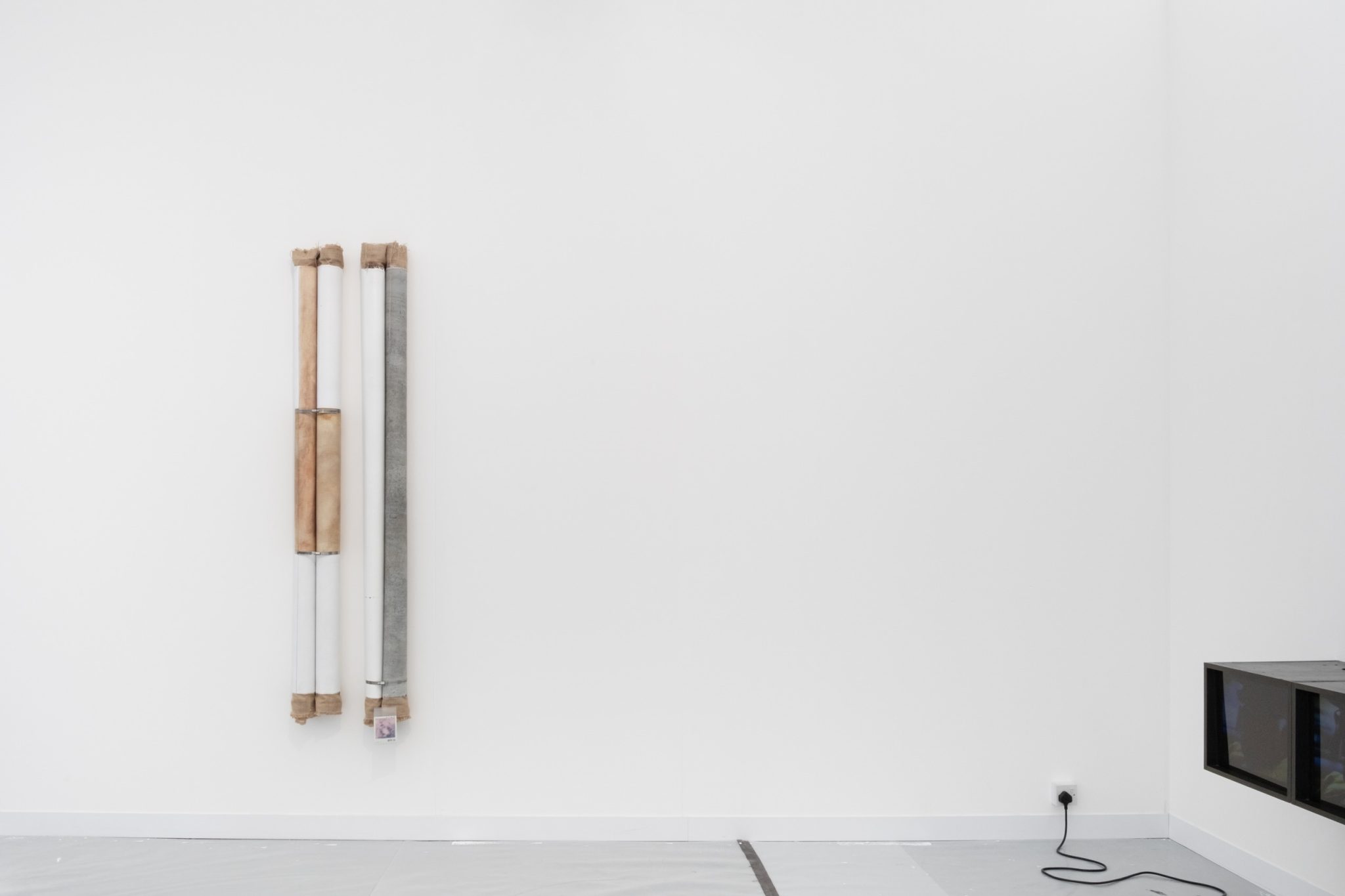
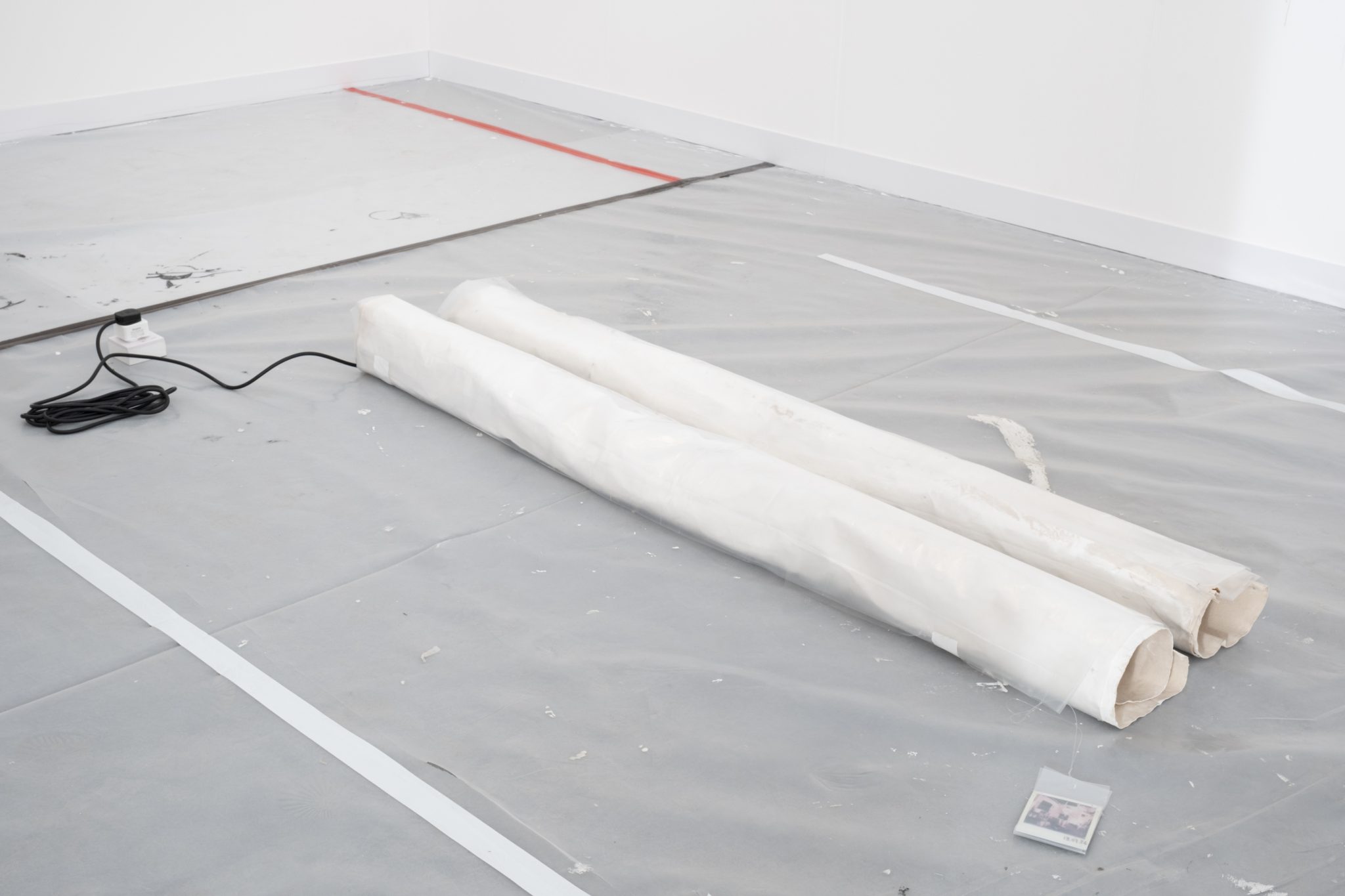
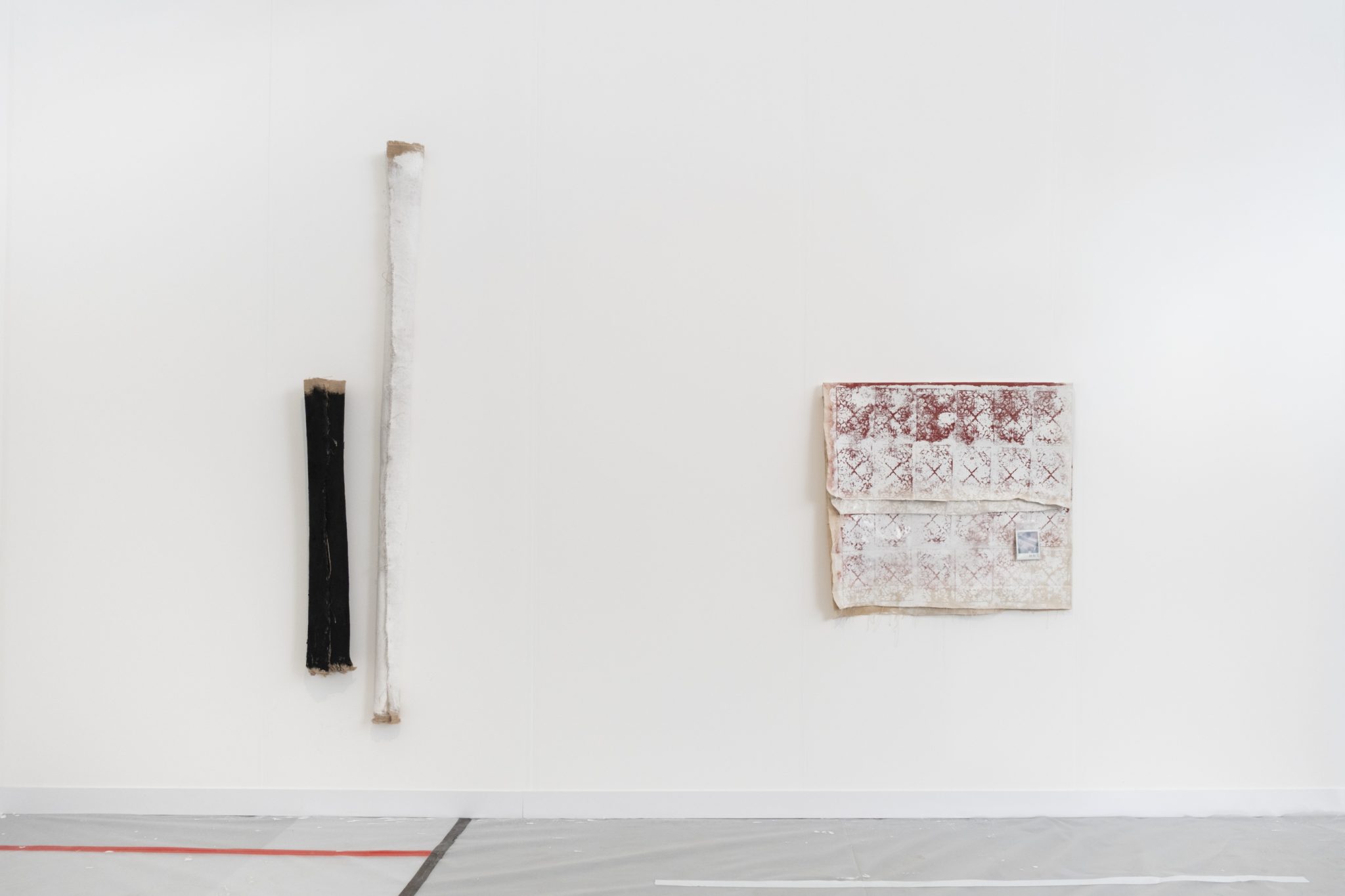
Dzinic subsequently folds, rolls and compresses these painted surfaces, transforming them from two-dimensional images into sculptural objects. In Trust Fund Junkie (William Morris Red), for instance, the canvas is folded into overlapping horizontal sections, partially concealing and revealing the patterned surface while translating the materiality of the canvas into a visual motif.
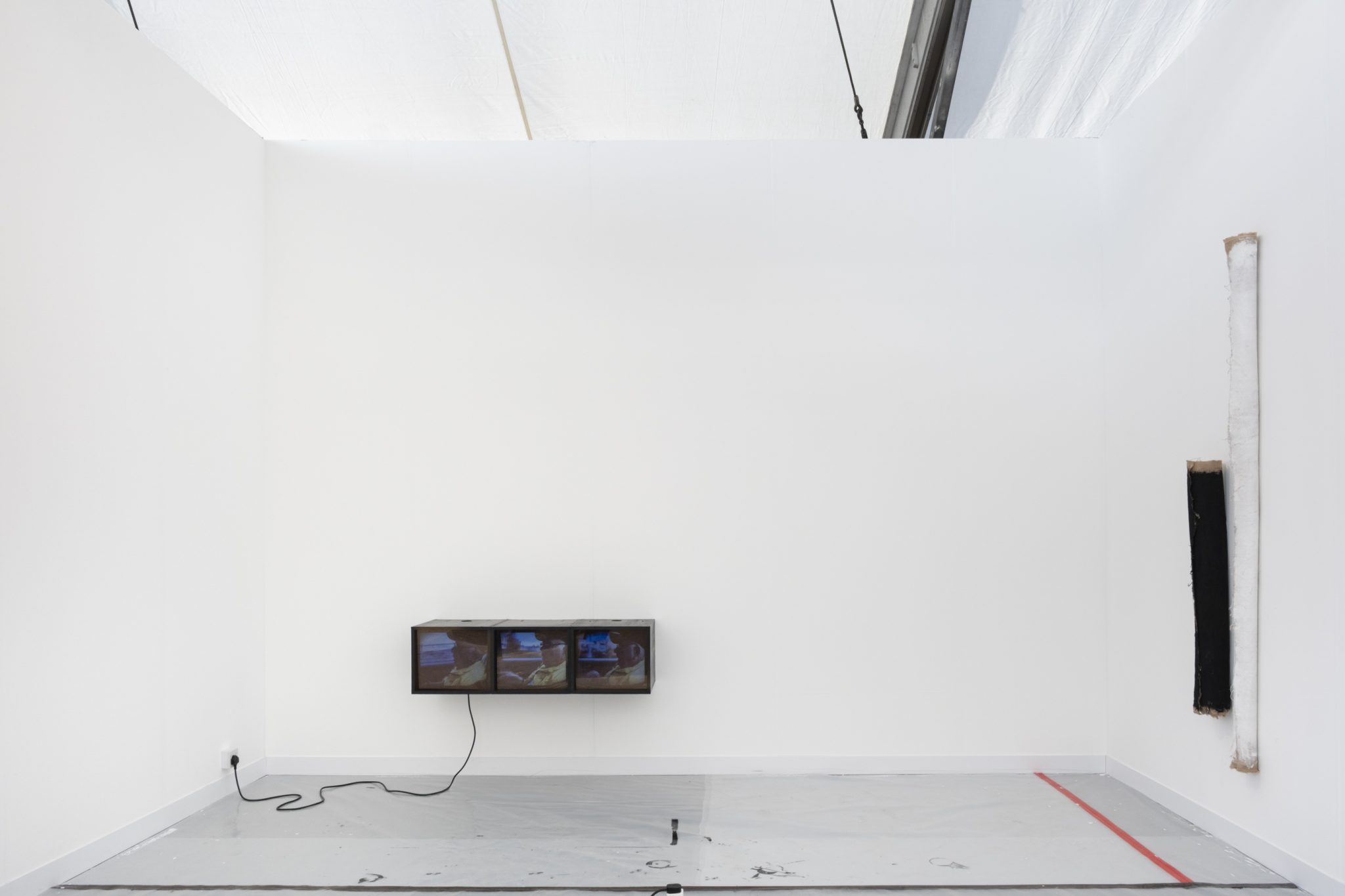
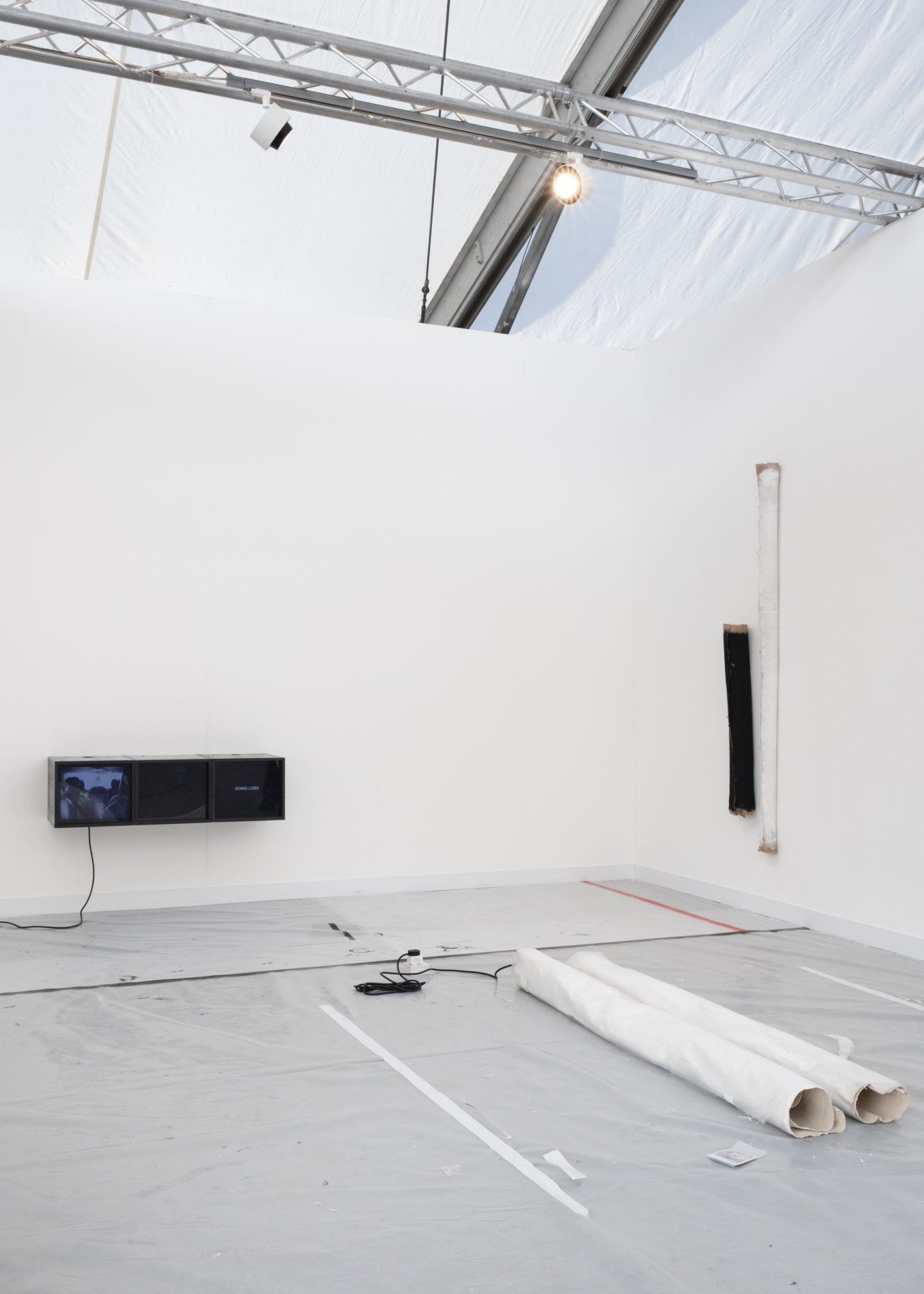
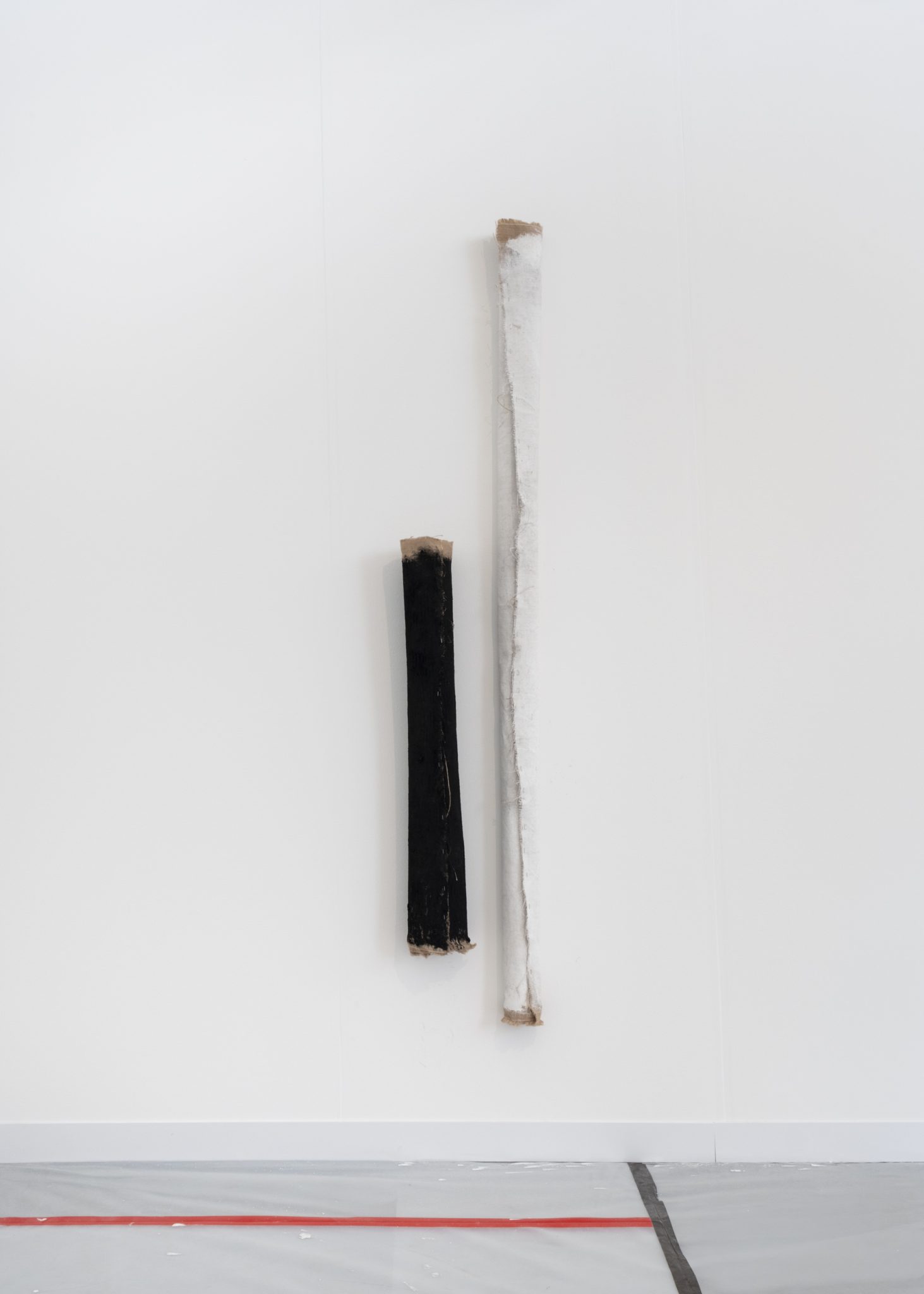
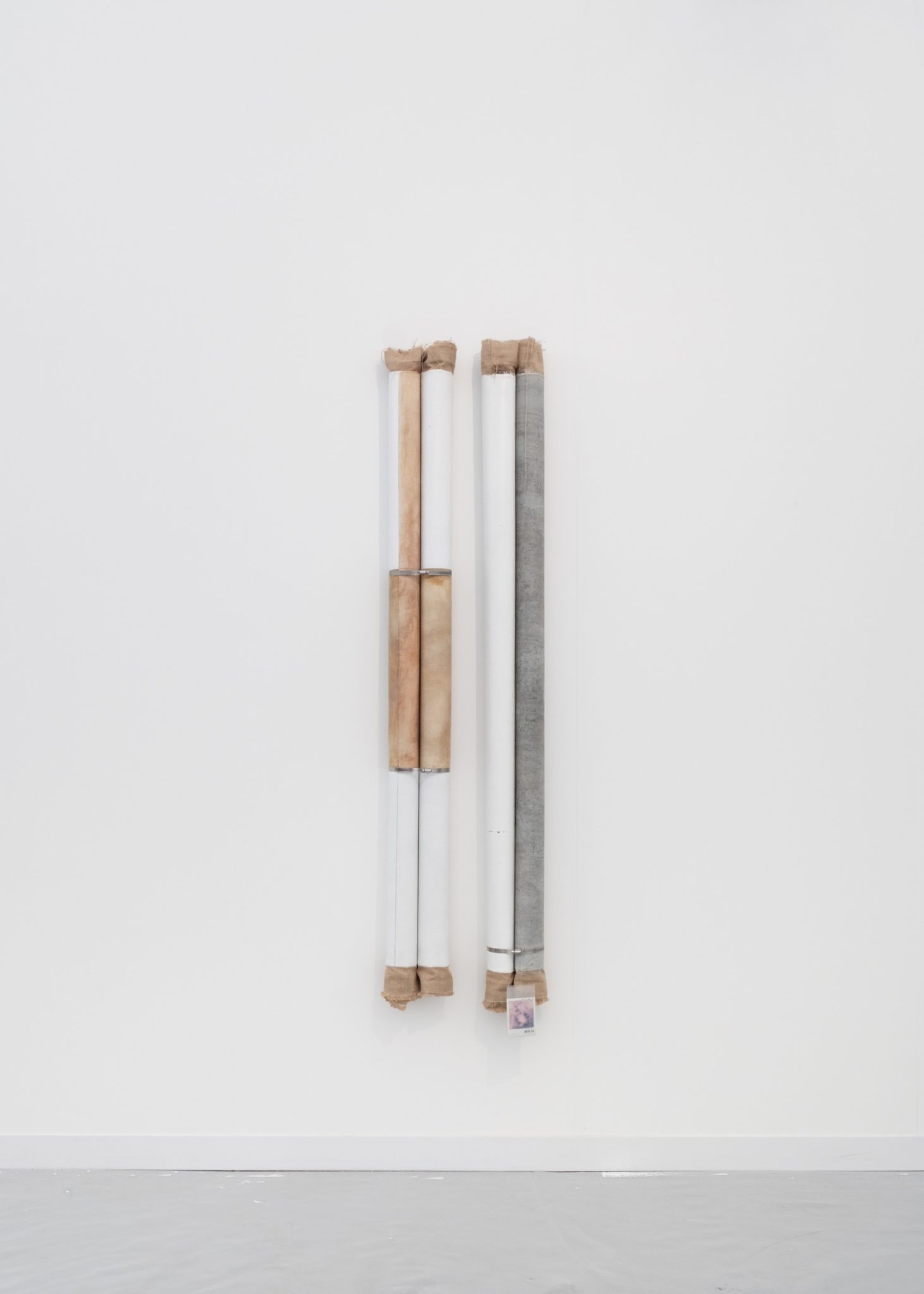
Other works are rolled into narrow, elongated forms and held in place using fabric bindings or metal brackets, as in Trust Fund Junkie (Water Damage). The paintings thus retain traces of their original pictorial surfaces while foregrounding the physical acts of folding, fastening, storing and handling. This transformation of painting into an object of provisional storage or transport brings the material conditions of artistic production to the forefront. The studio emerges as a contradictory space: at once a site of withdrawal from intensified capitalist demands and a place inevitably dedicated to producing financial assets.
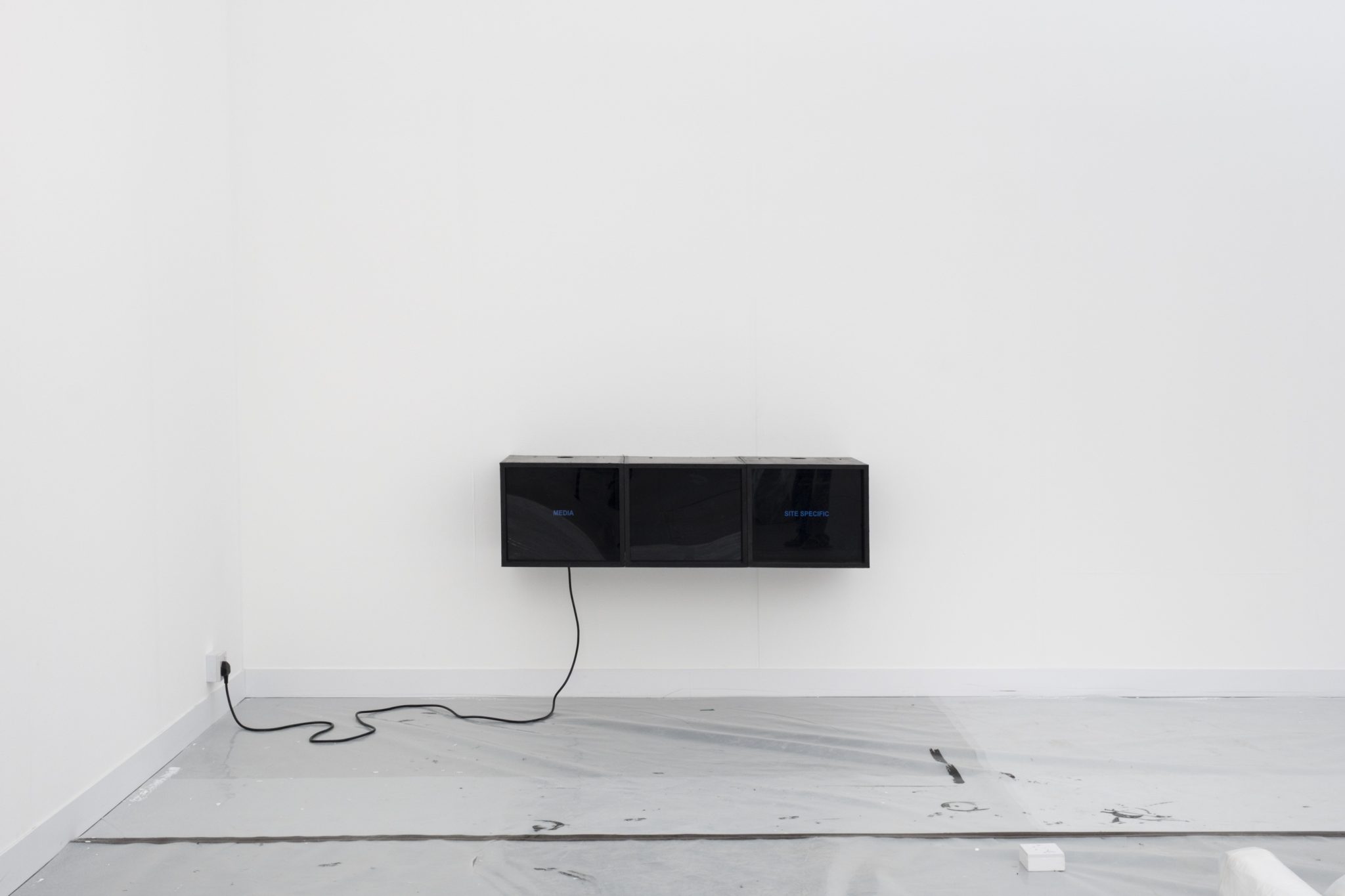
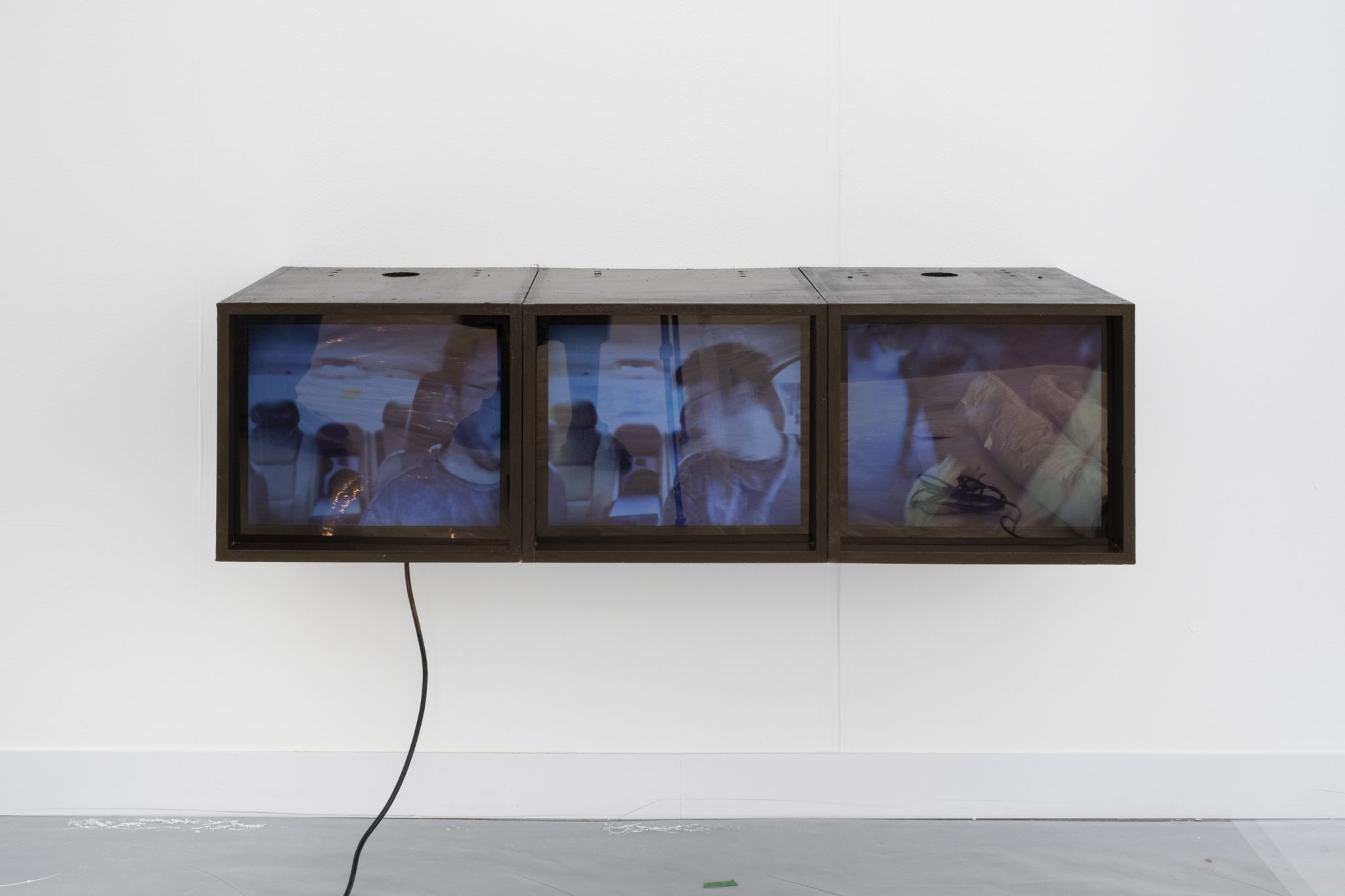
Drawing attention to the relationship between artistic autonomy and the material and economic structures that underpin it, Dzinic’s paintings are accompanied by Open Casket (2026), a three-channel video shot in the visual language of 1960s documentary. Presented on custom monitors, it follows Ivan, a Croatian Uber driver, as he successively picks up Jasper, a London-based arts worker, and Karl, a recently unemployed German far-right supporter. Interwoven with interviews with contemporary theorists and footage of artists’ studios, the film stages an encounter between three social positions shaped by precarious labour, cultural production and political disenchantment.
Their dialogue examines the dissolution of post-war narratives of progress while considering the divergent responses that have followed – from populism and nationalism to nostalgia and the search for new collective rituals capable of accommodating loss.