


A surface freak
Rey Akdogan, Camille Kingué & Raphaël Massart, Hanna Rochereau, Cammie Toloui, Perla Zúñiga
Gallery
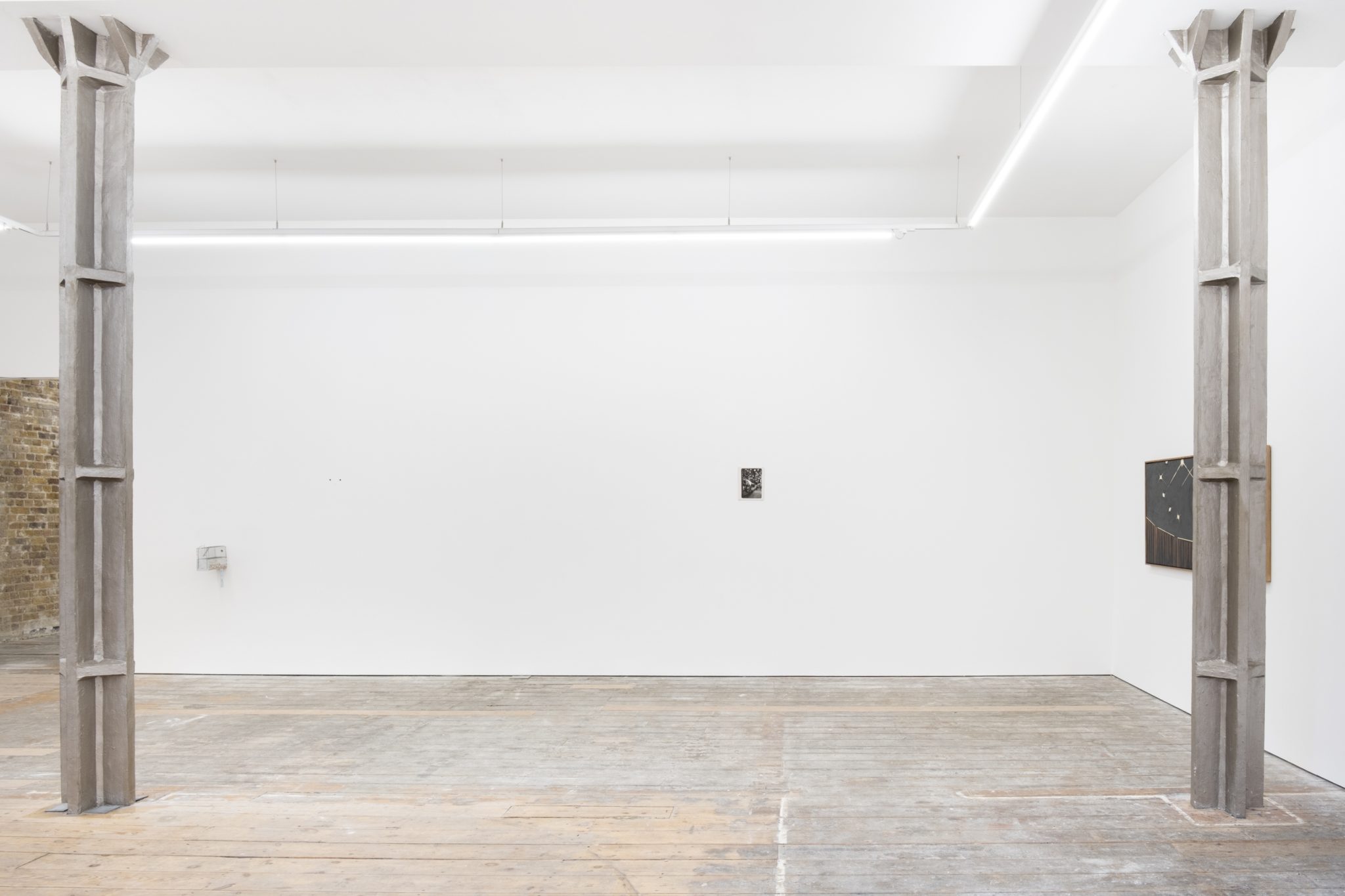
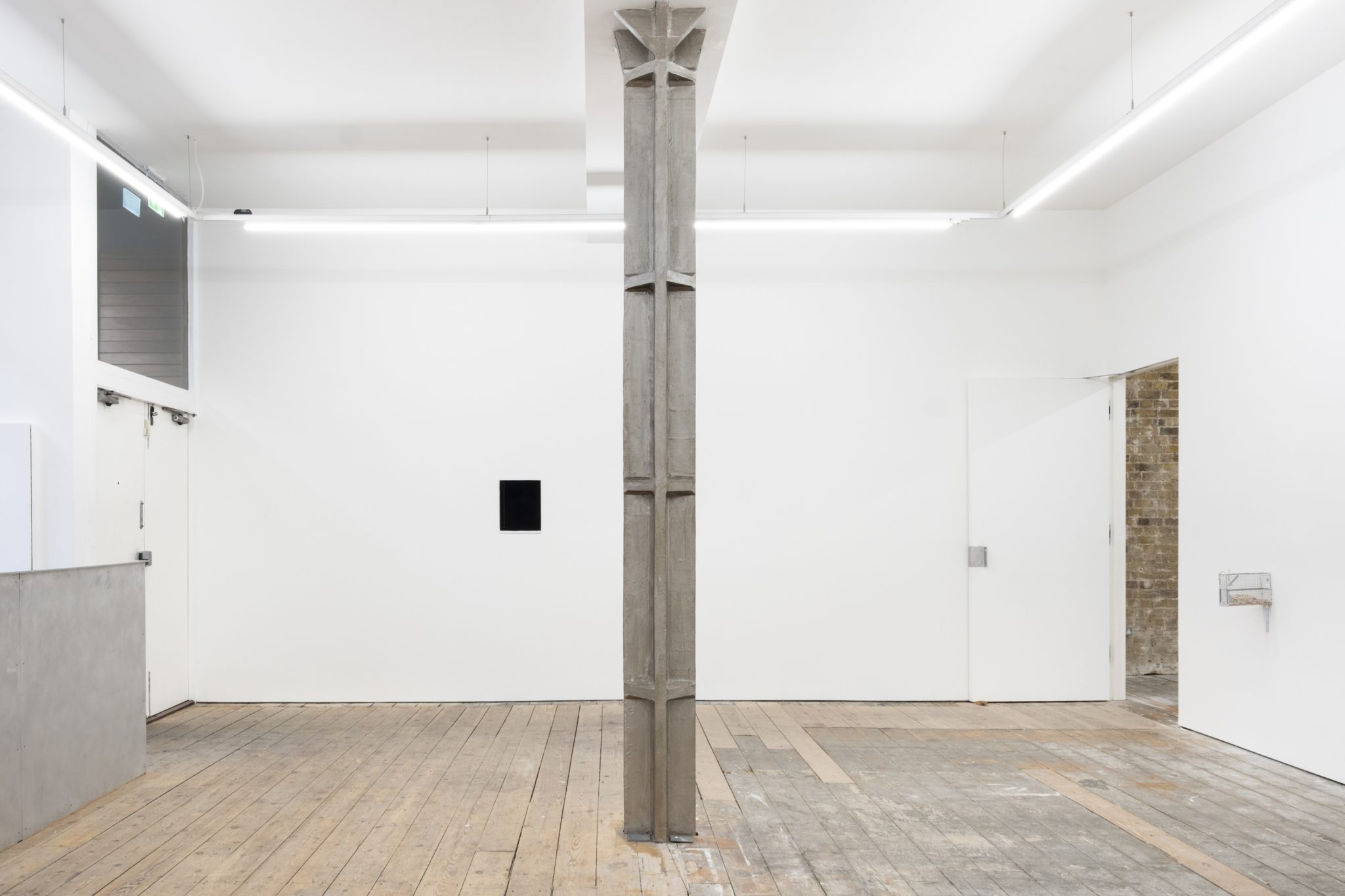
13.11.26 - 19.12.26A surface freak is a group exhibition including works by Rey Akdogan, Camille Kingué & Raphaël Massart, Hanna Rochereau, Cammie Toloui, and Perla Zúñiga, curated by Salomé Burstein. Between stages and mousetraps, display devices and peep-show booths, A surface freak brings together works that reveal the mechanisms behind what’s made to meet the eye. Each piece negotiates nexuses of exposure and concealment, where visual pleasure often hinges on what remains out of sight.
Exhibition text by Salomé Burstein:
She “got a studio and a haircut”. In The Museum of Lesbian Dreams – the first and, to this day, only monograph dedicated to Millie Wilson – the introduction ties together her coming out as both gay and an artist in a simultaneous act of self-fashioning. Playing with the codes of surrealism, 1960s lesbian pulp, and mainstream misogynistic media discourse, Wilson engaged critically, yet fondly, with the aesthetic machinery of visual pleasure. In an interview with artist Robert Blanchon, she thus refers to herself as “a surface freak” – someone who obsesses over the external layer of things and its unsuspected manifoldness. Borrowing its title from Wilson’s provocation, this exhibition brings together works by artists who, each with their own focus, fixations, and formal language, reveal the mechanisms behind what is made to meet the eye. Between stages and mousetraps, display devices and peep-show booths, A surface freak negotiates nexuses of exposure and concealment, where perception often hinges on what remains out of sight.
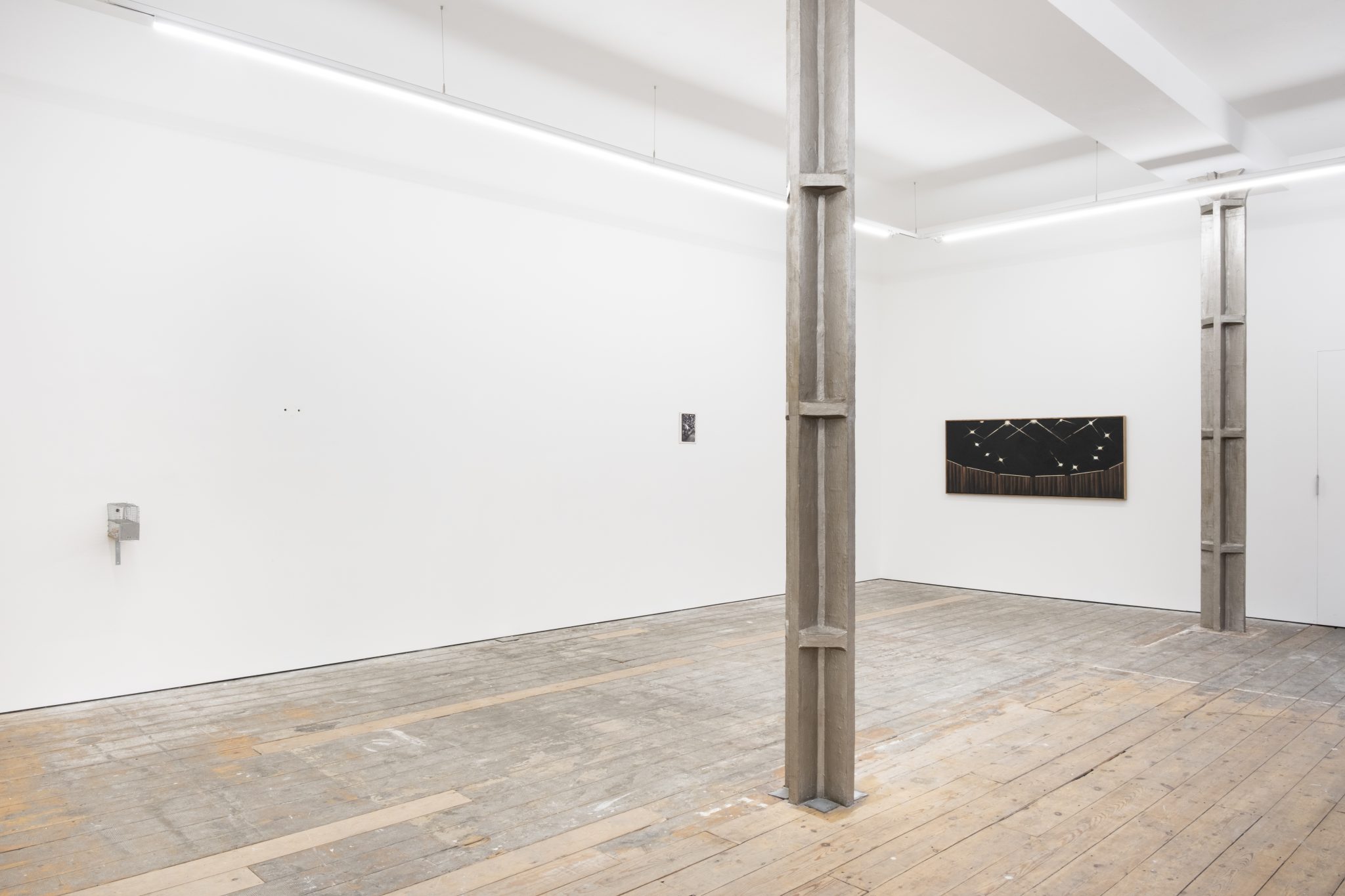
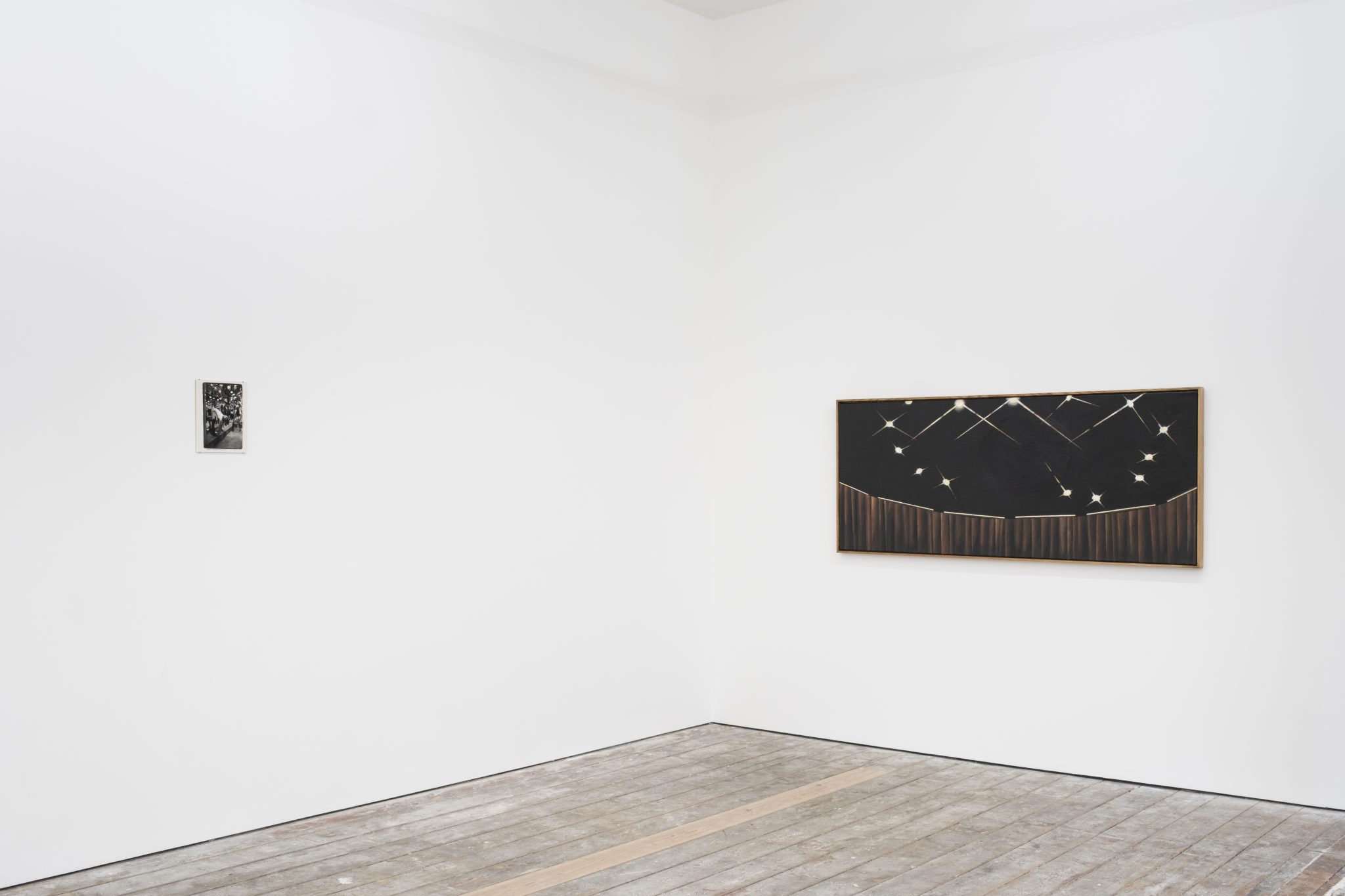
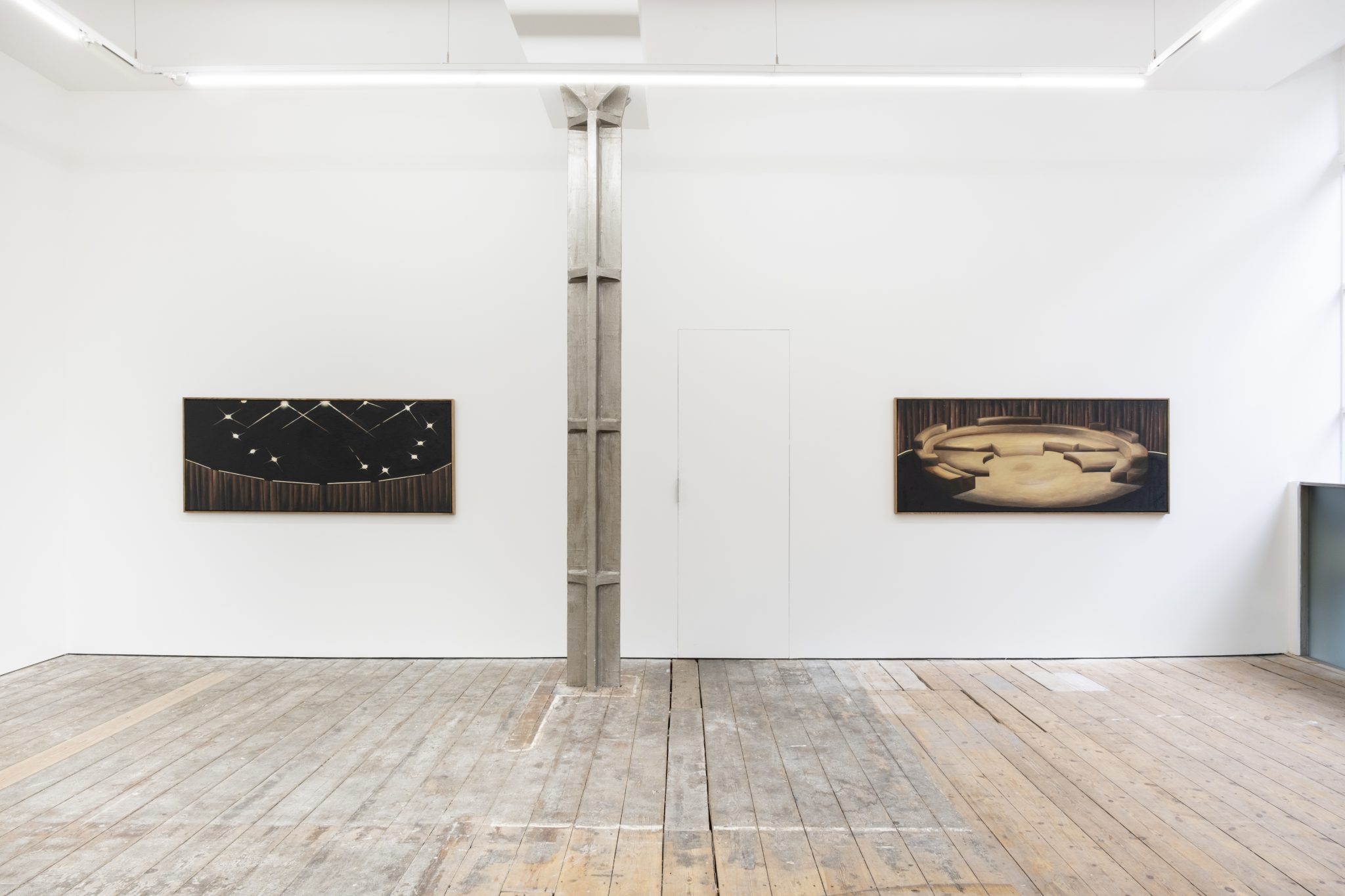
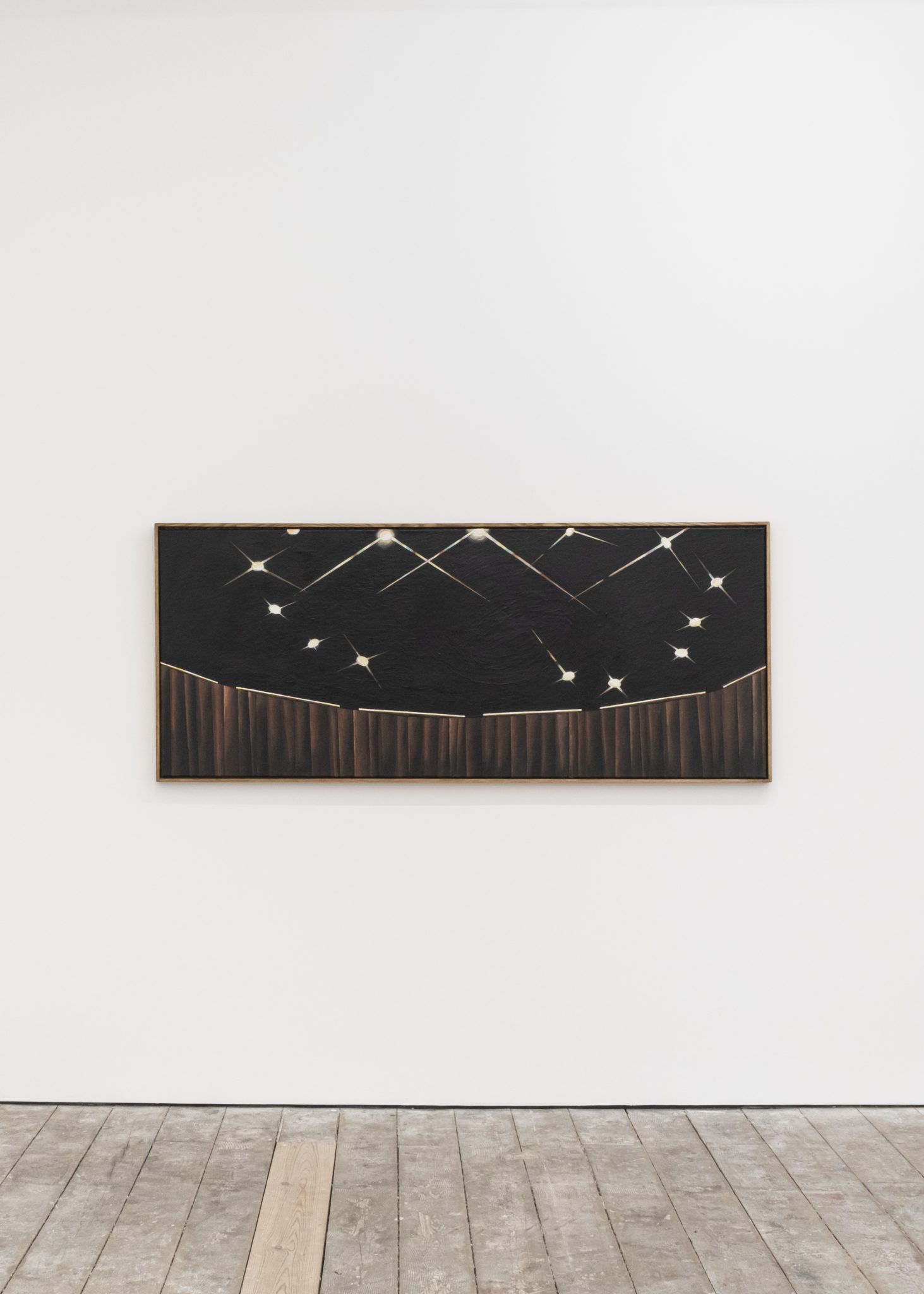
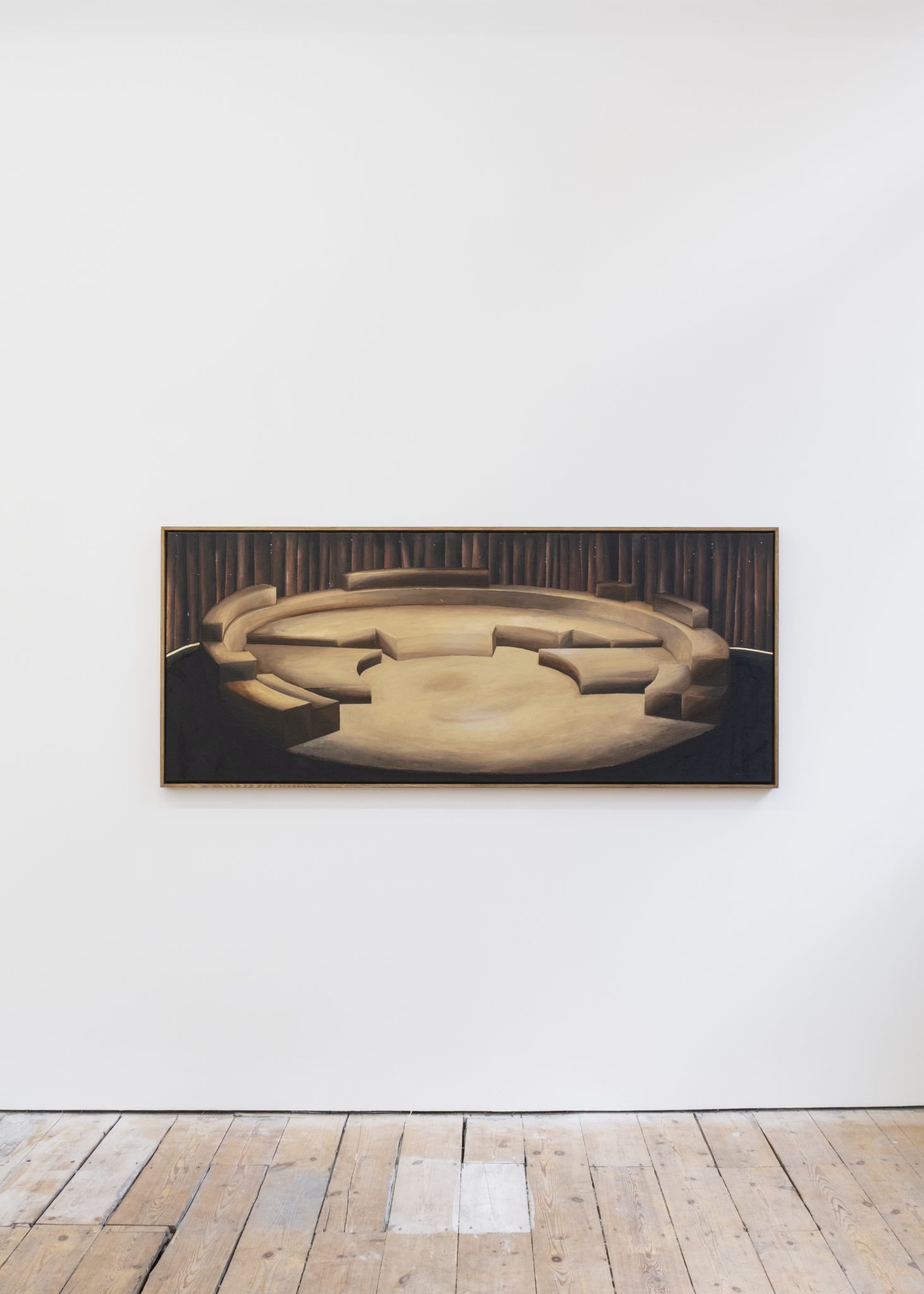
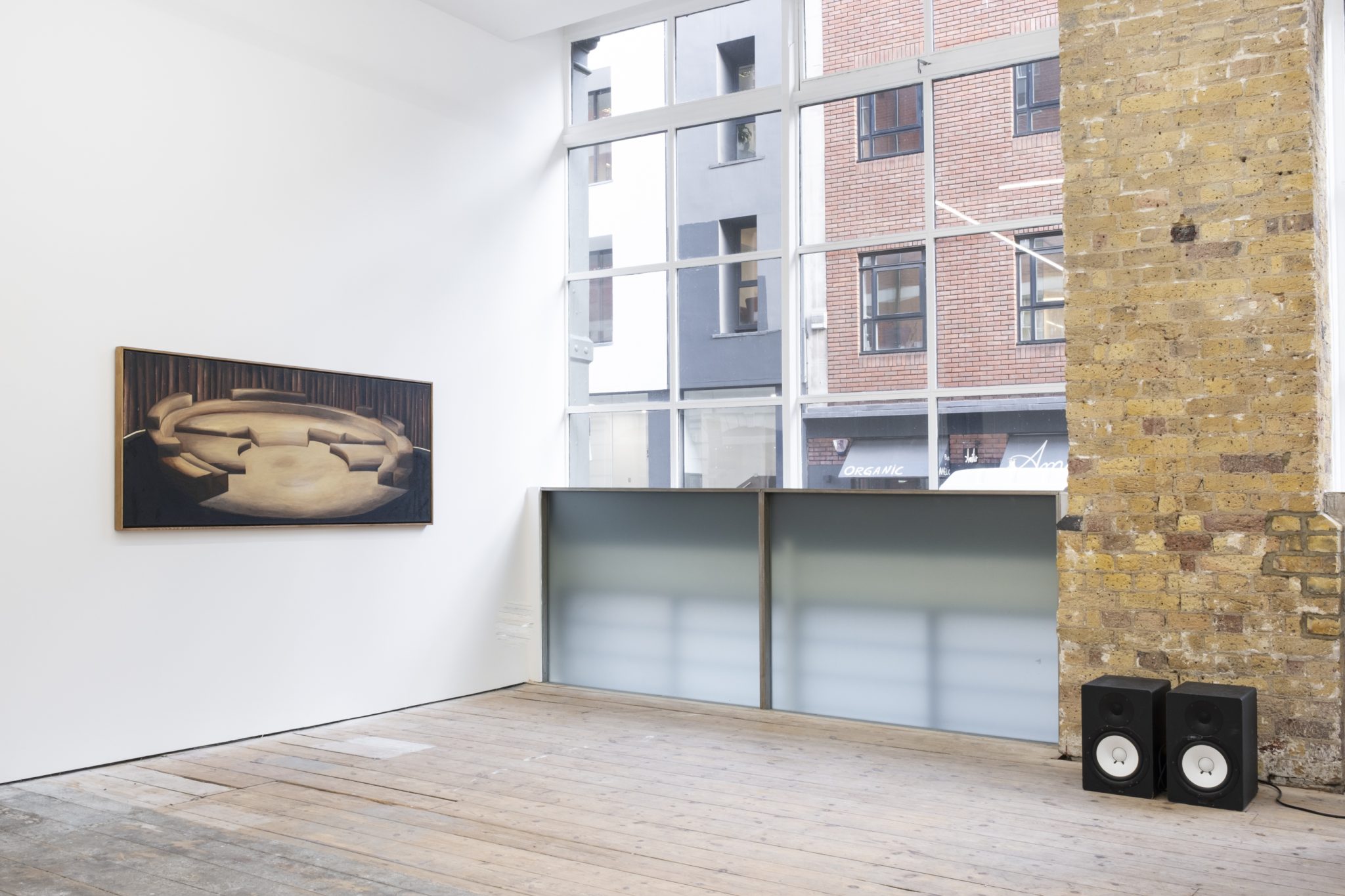
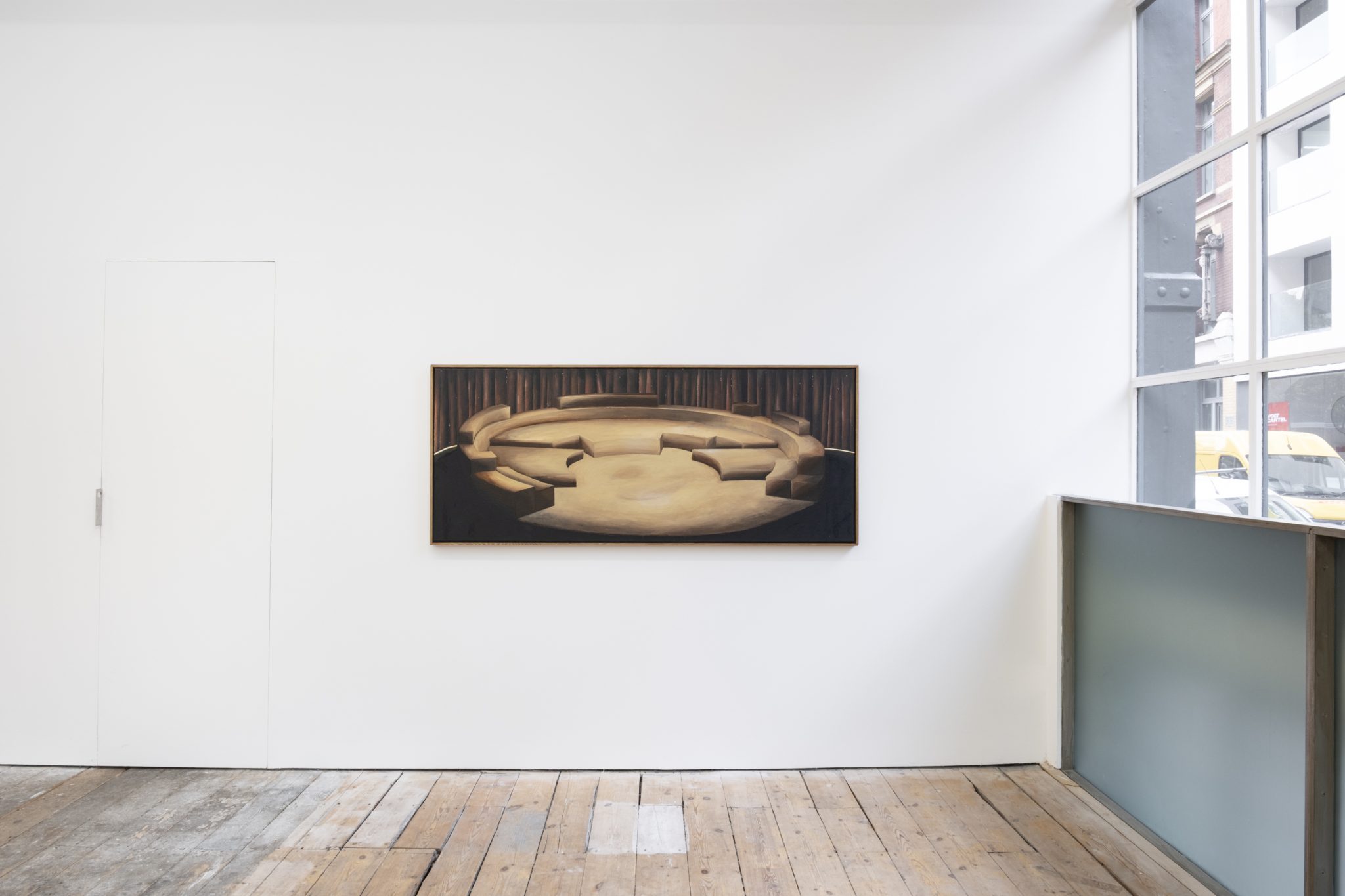
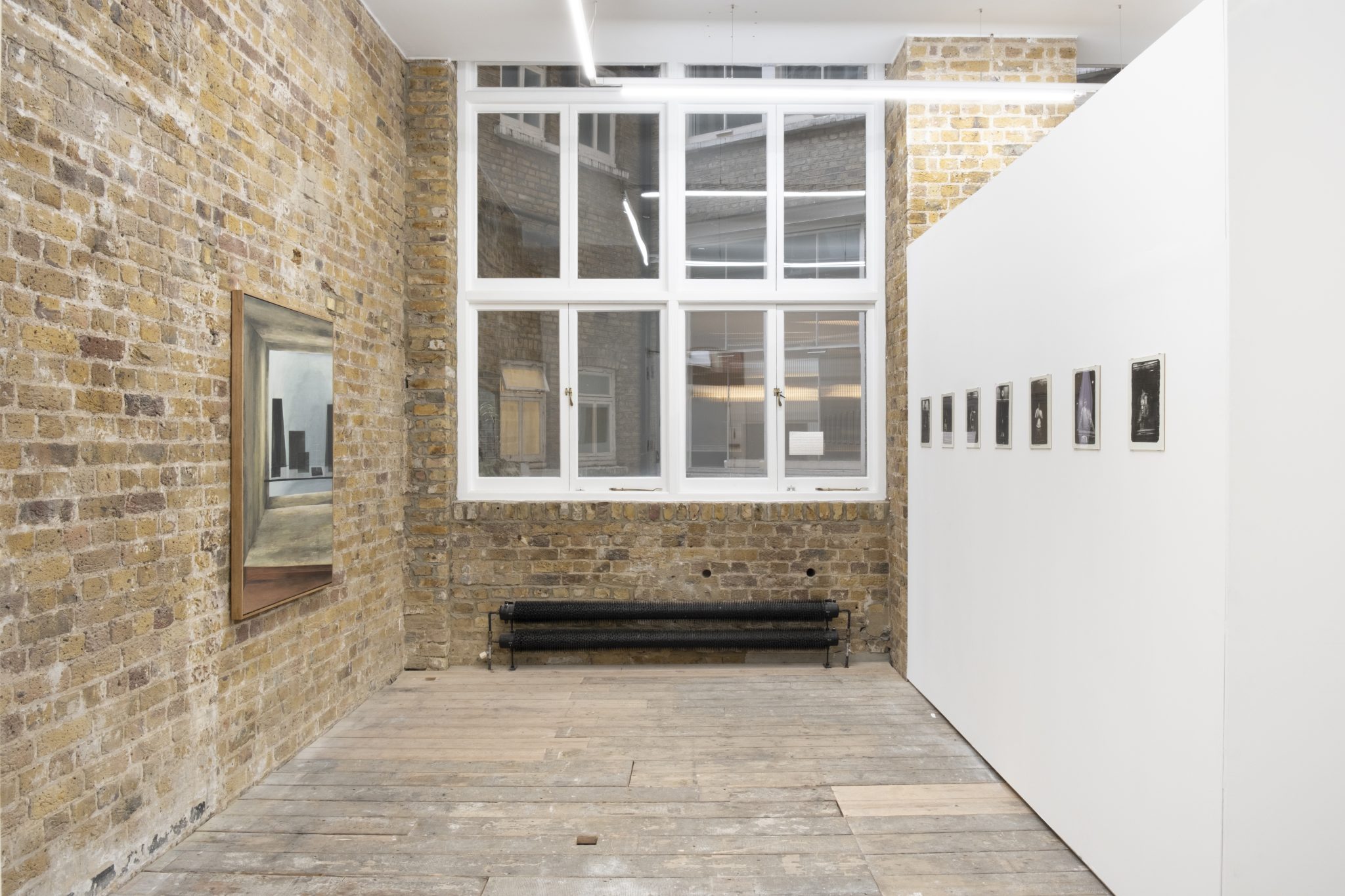
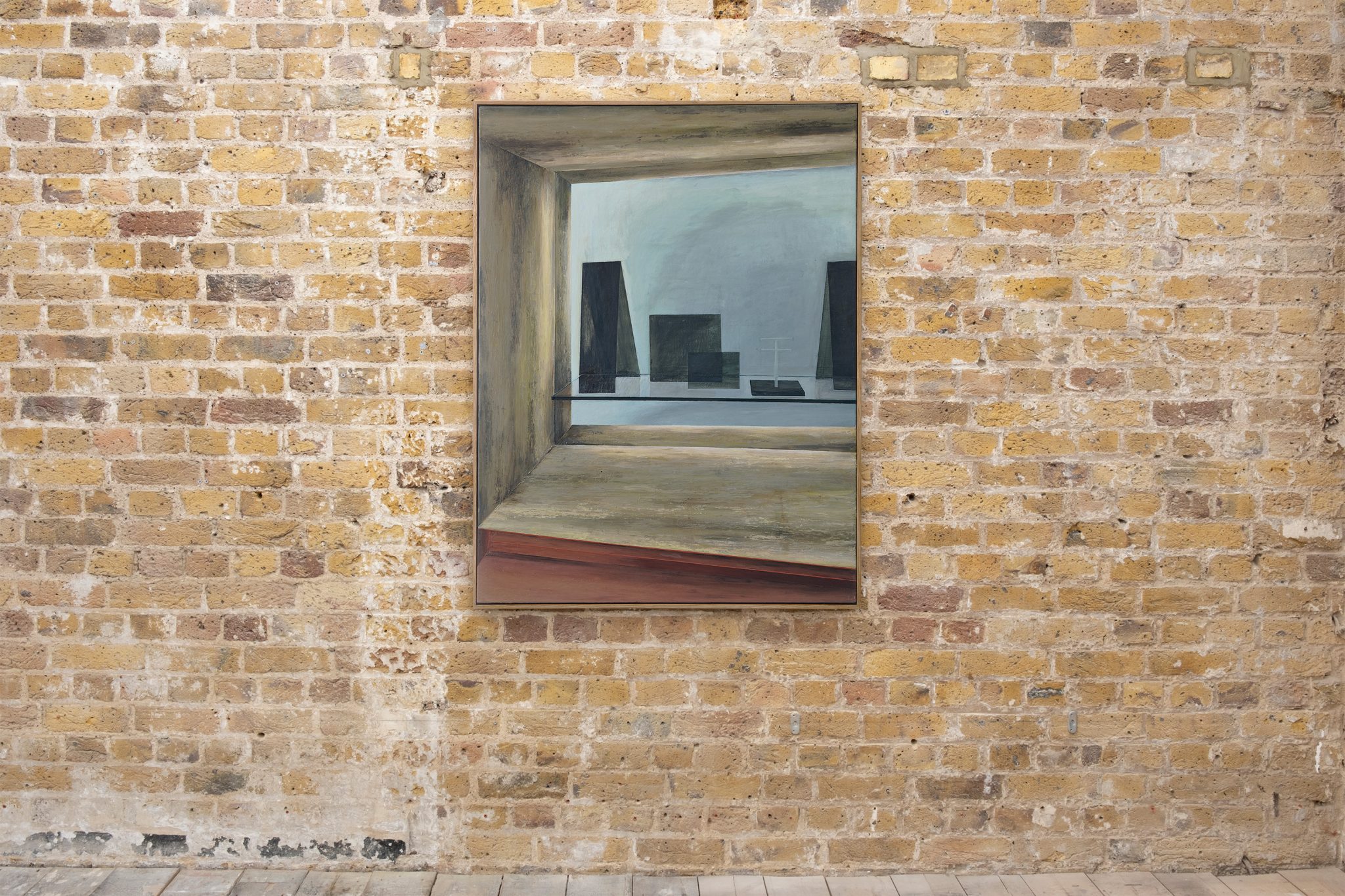
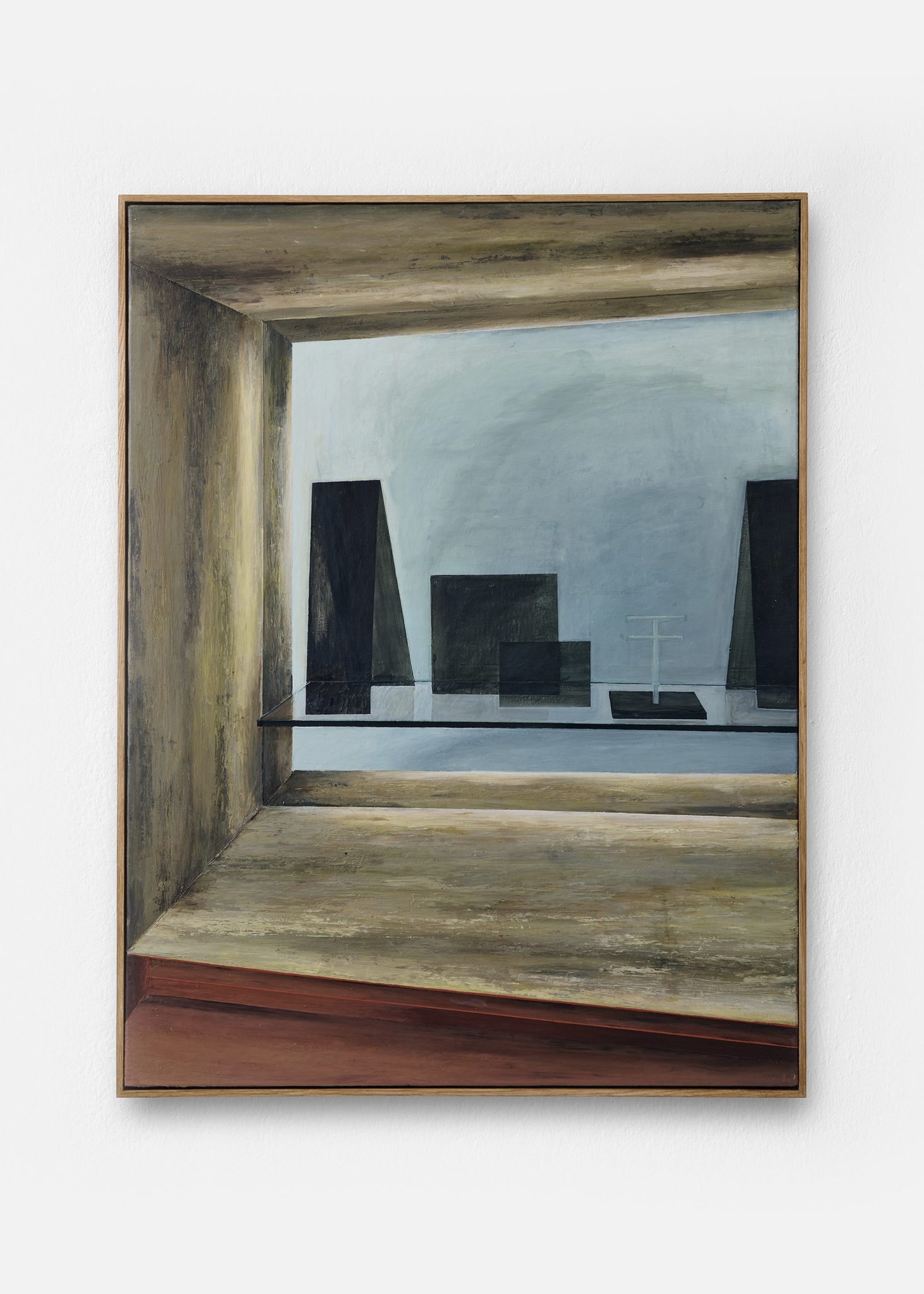
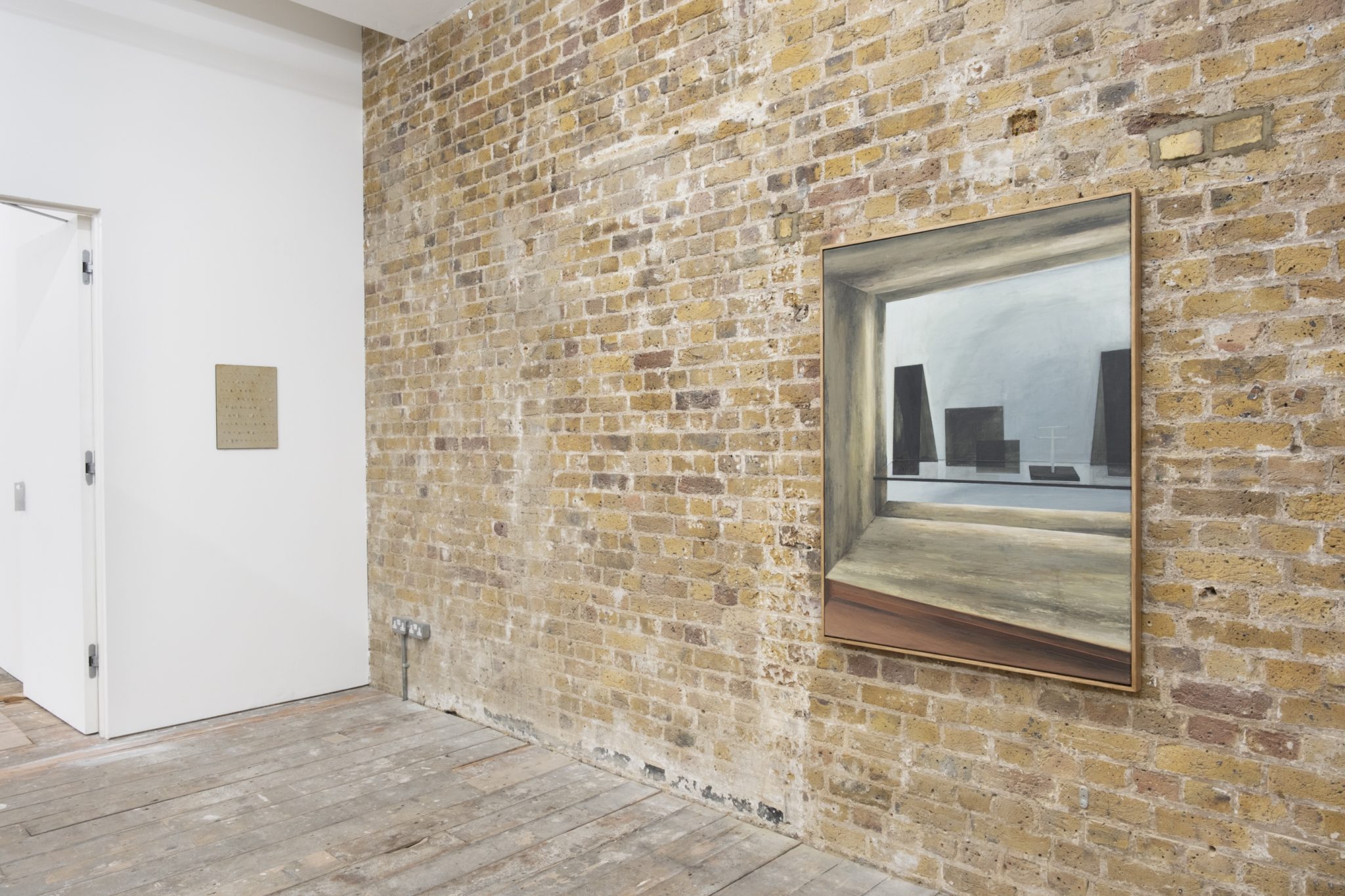
Going from storage to storefront, painter and sculptress Hanna Rochereau starts where things are either exhibited or put to sleep. Through uninvited gazes and unauthorized access, her works explore sites of seduction and consumption, catching them in states of dormancy or functional suspension. They condense accumulative tendencies with emptied-out landscapes, the spectral with the sweat, rendering absence through the thickness of a multi-layered painting process. After relentlessly depicting ghostly shop windows [Inside view 2, 2026] – their accessories serving as both shadows and stand-ins for merchandise – her latest series turns to lonesome theatrical settings: a split, crowdless stage [Top of the pops 2, 2026] whose latent dramaturgy dazzles through a voltaic constellation wiring the ceiling’s stellar vortex into the density of acrylic [Top of the pops 1, 2026].
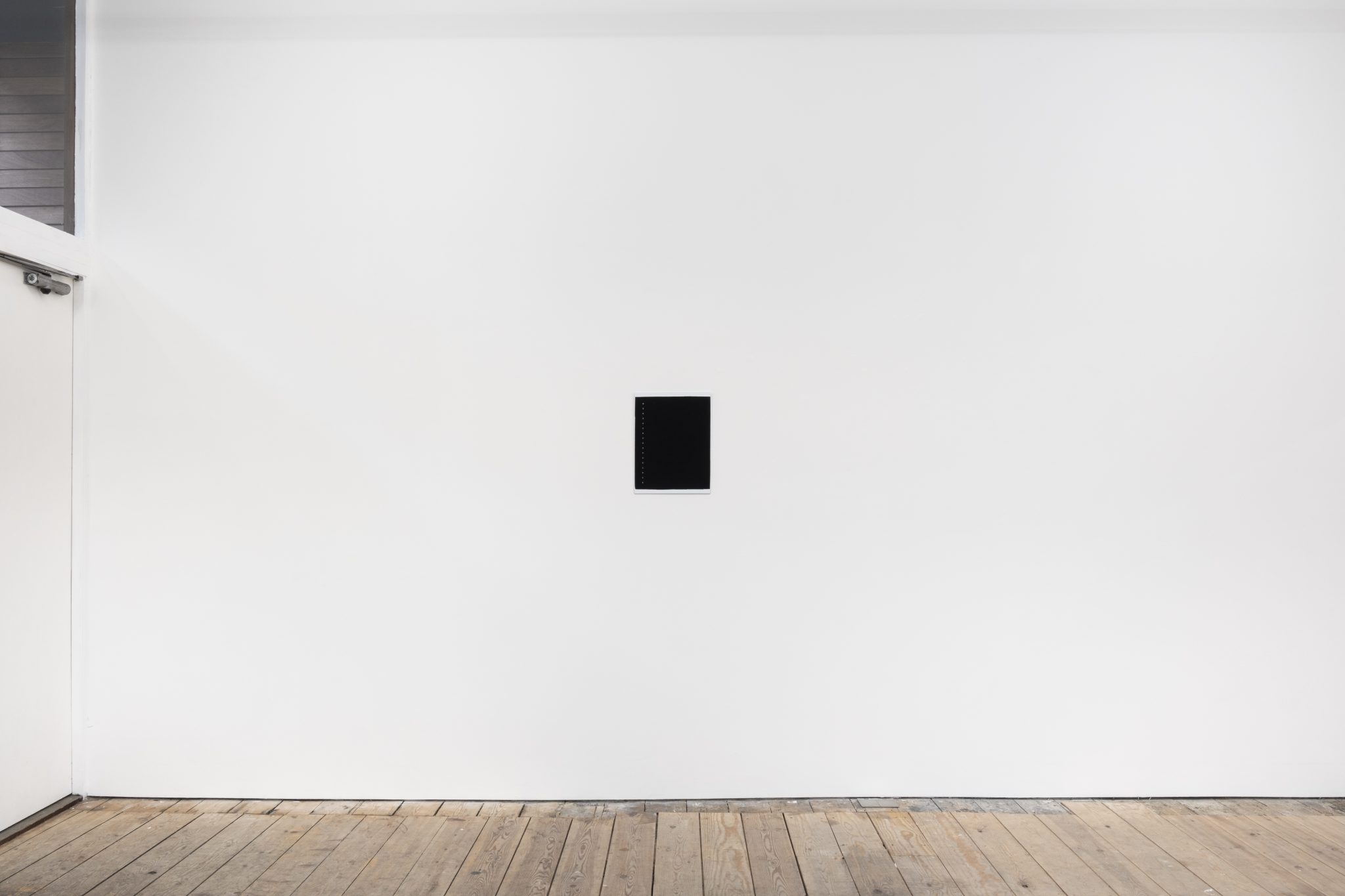
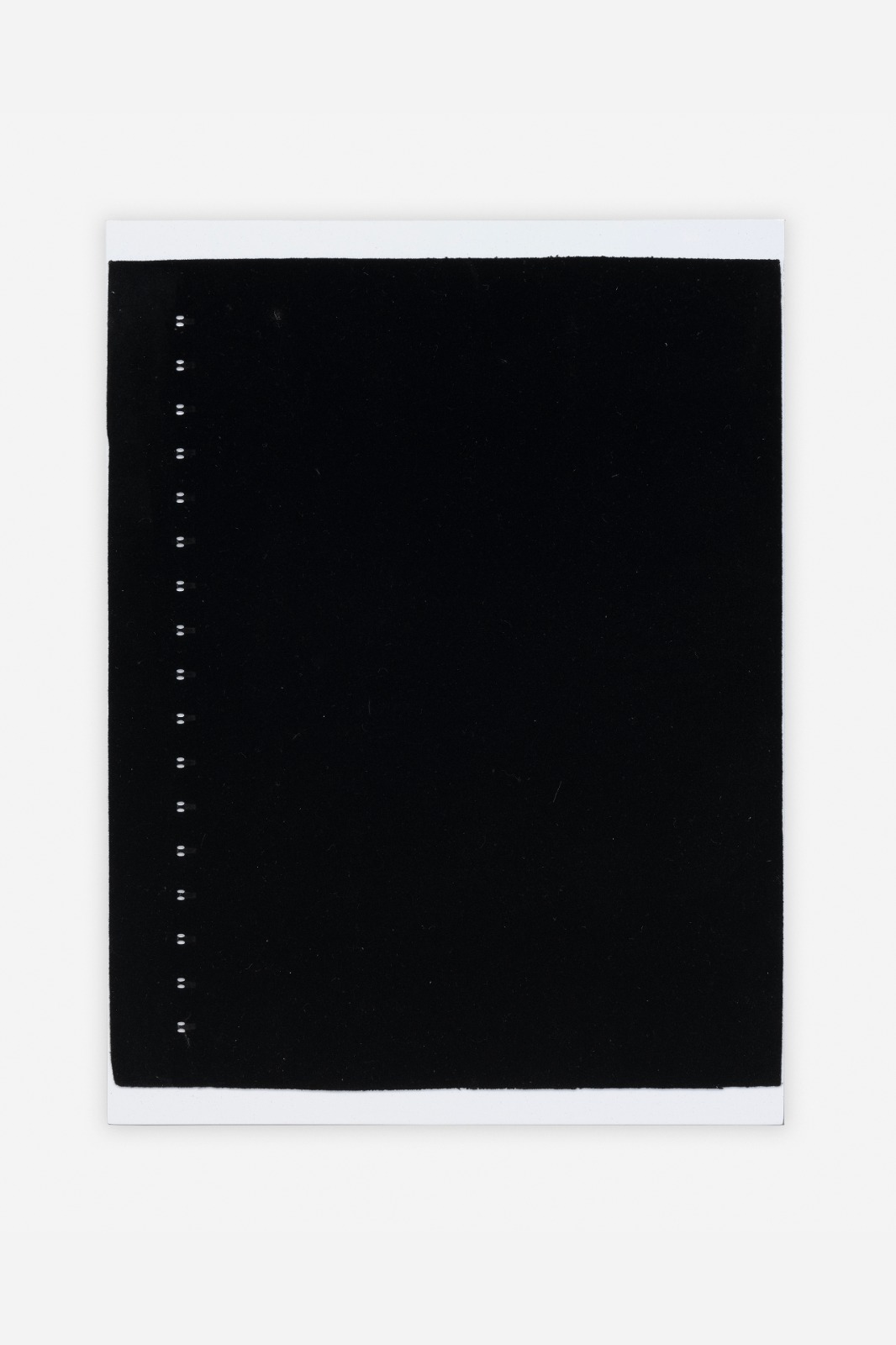
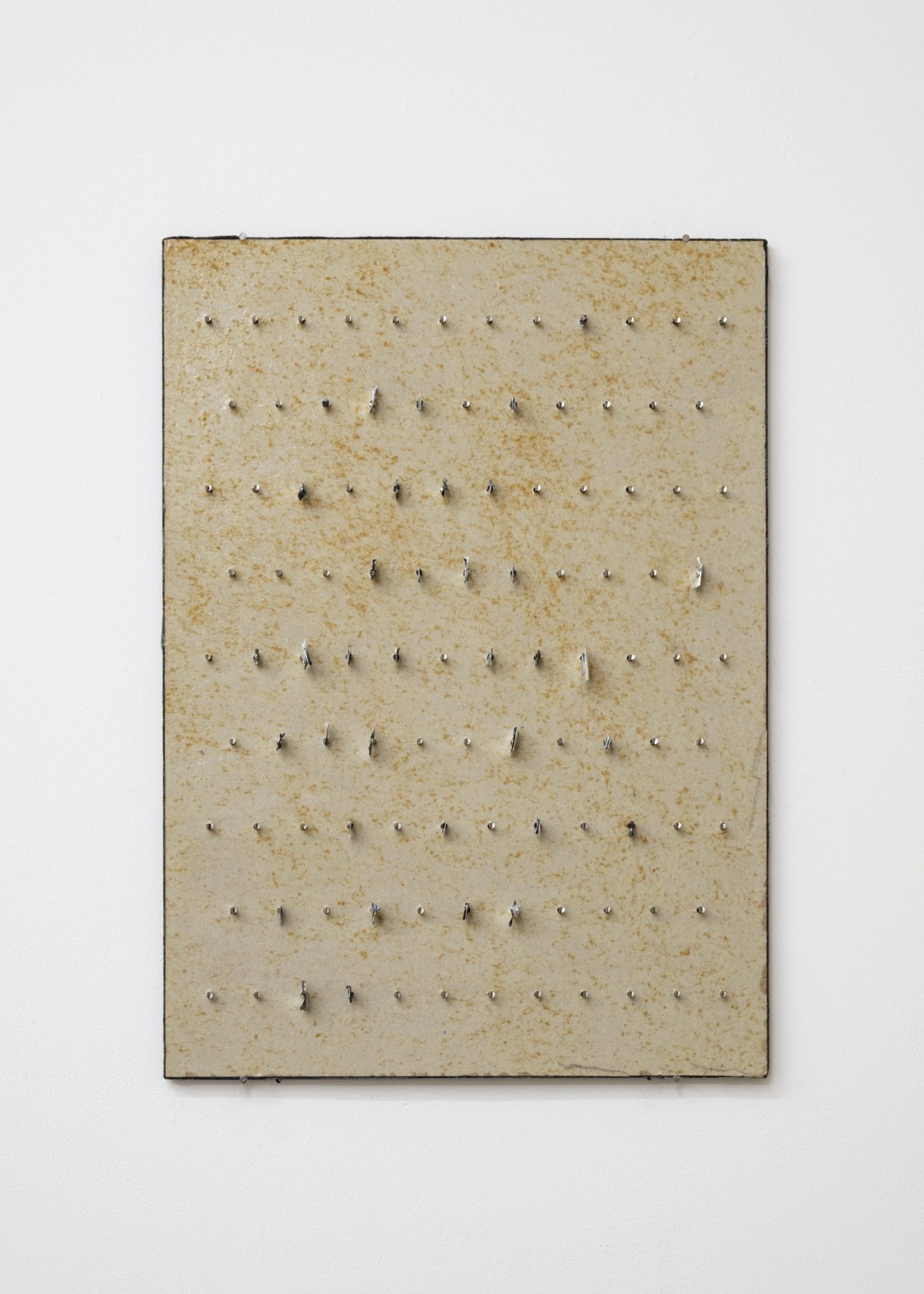
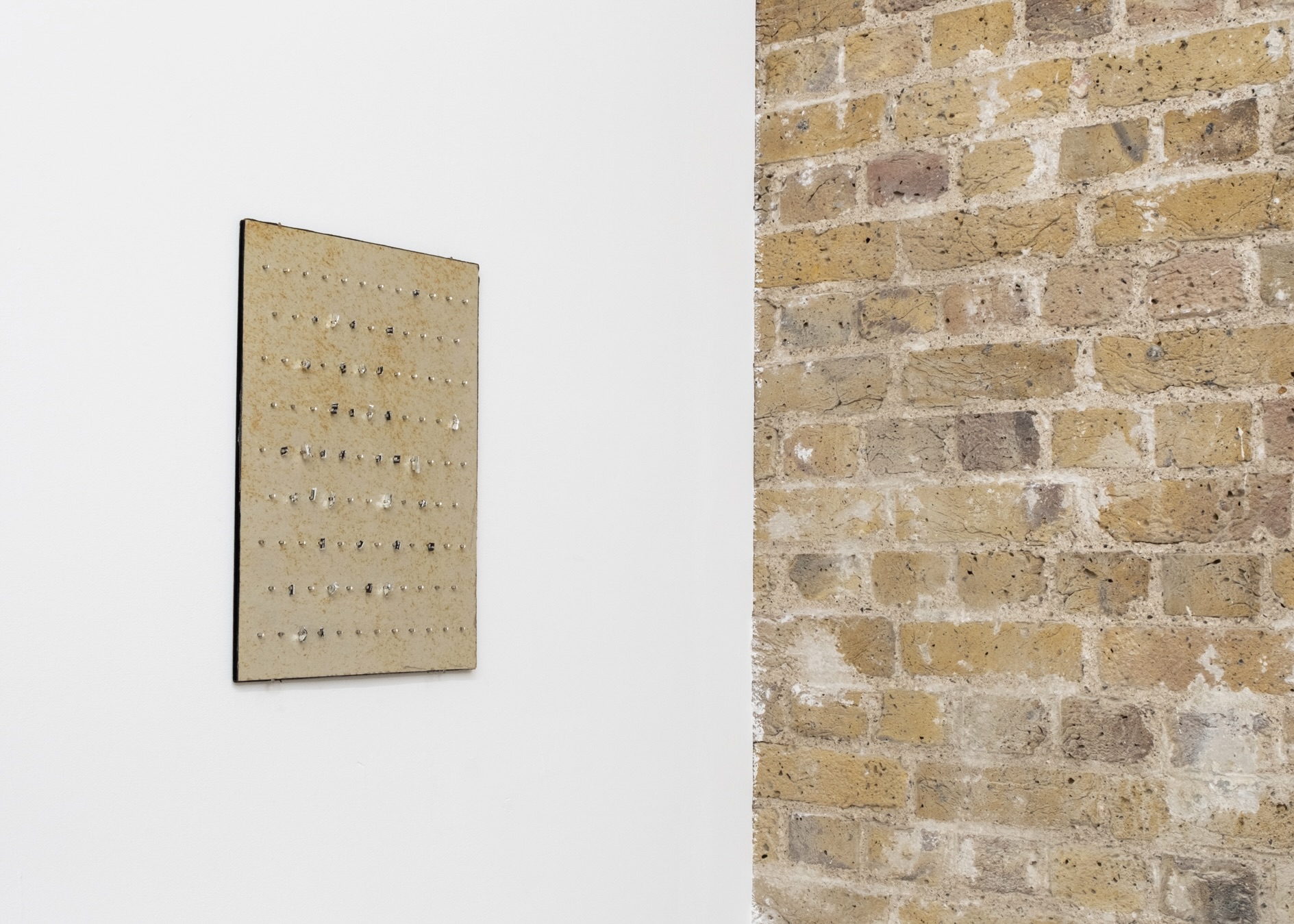
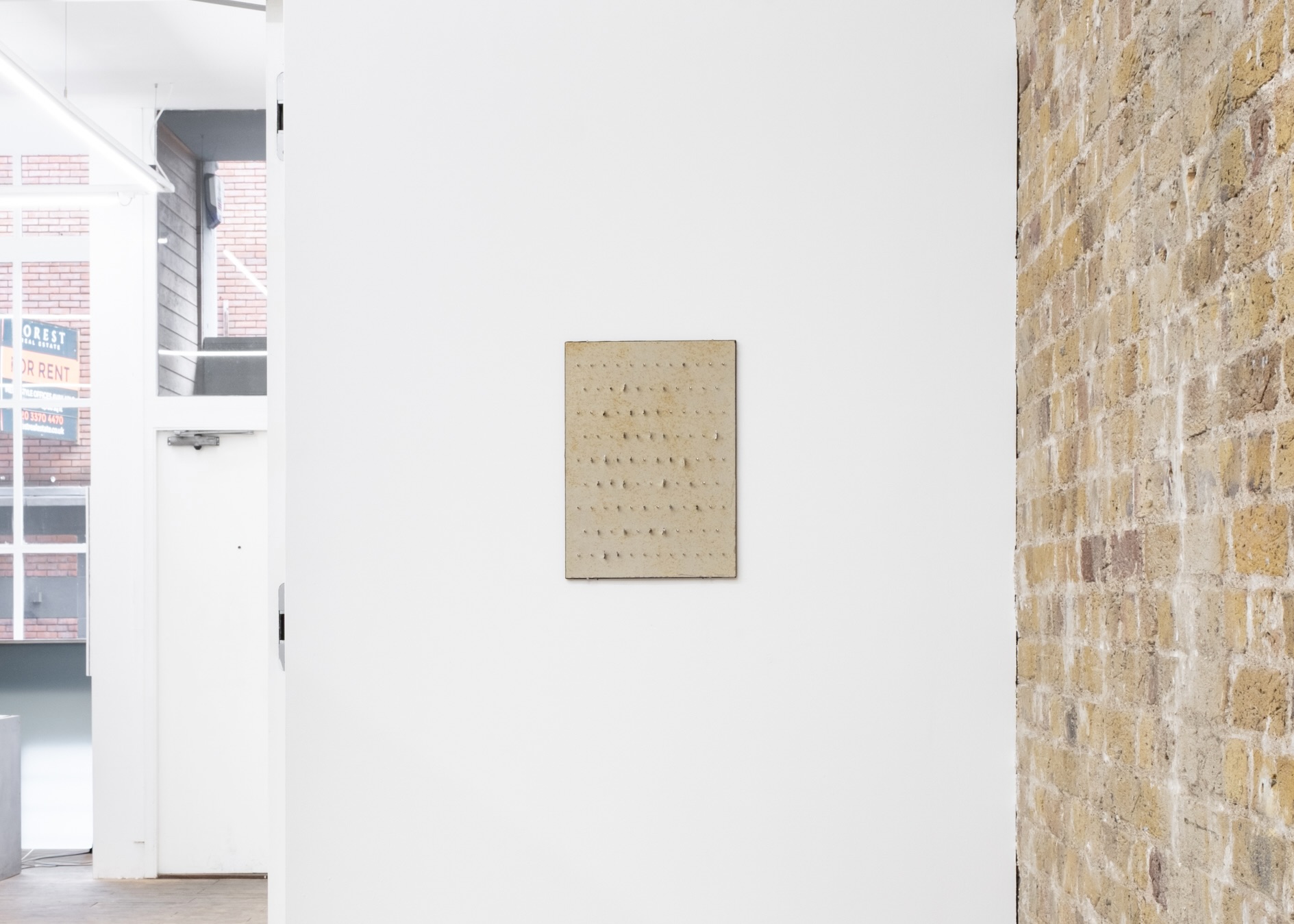
Artist Rey Akdogan rather conveys a choreography of subtraction, of peeling and folding – sequences of meticulous gestures cutting through display fixtures. Akdogan unveils their material substrate and rearranges their remains through delicate decompositions. She foregrounds the sensations that mediate our encounter with commodities, incising both surfaces and attentional habits while refracting the explicit into the invisible. Akdogan both encodes and decodes surface-matter, perforating velvet with a pattern-like regularity [Subtraction #75, 2025], creasing words into undecipherable syllables [Clip on (t), 2026]. In doing so, her works summon something akin to what academic Renu Bora coins as “texxture”: “one that is dense with offered information about how, substantively, historically, materially, it came into being”, in opposition to “texture […] which insists instead on the polarity between substance and surface, texture that signifies the willed erasure of its history”.
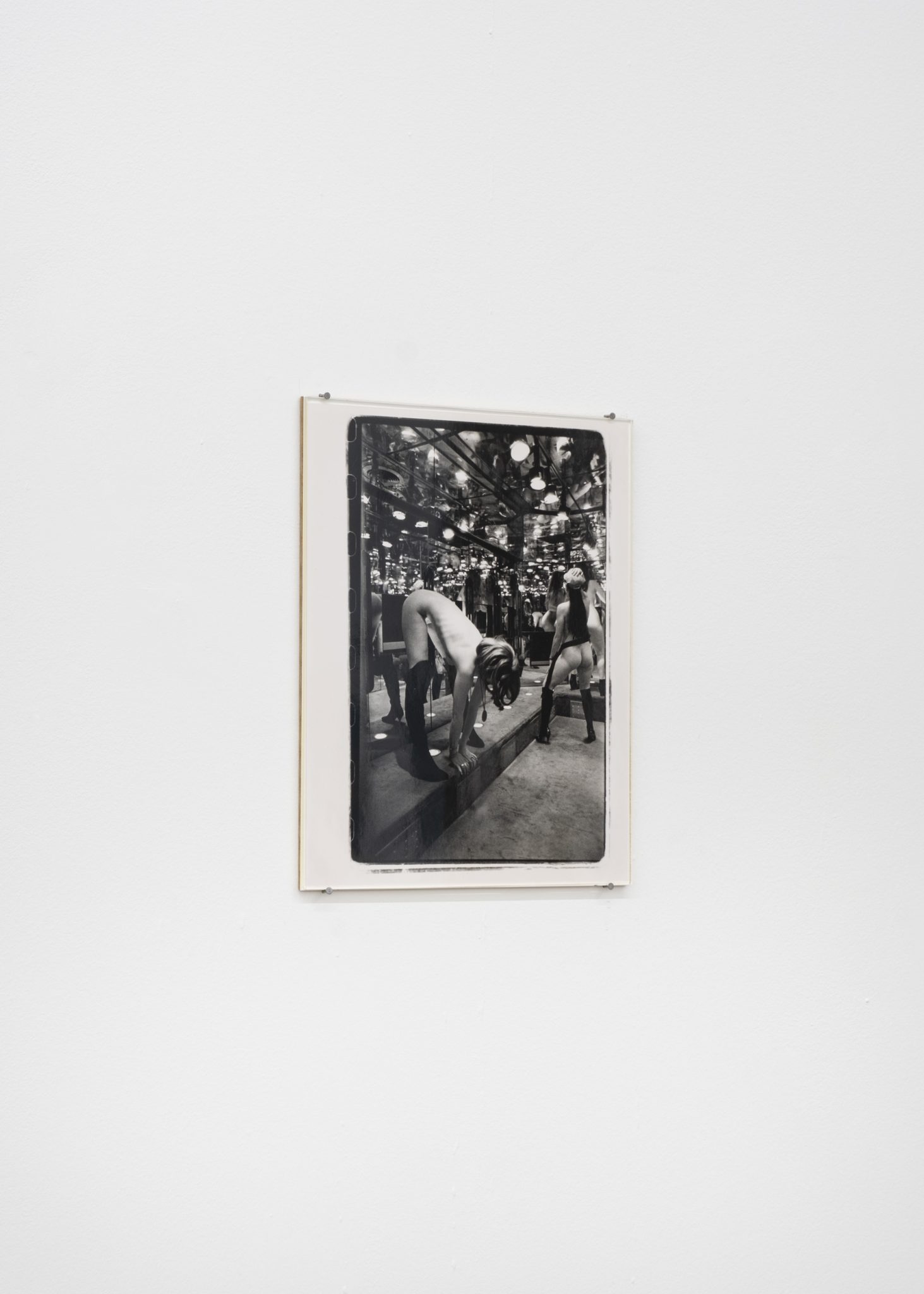
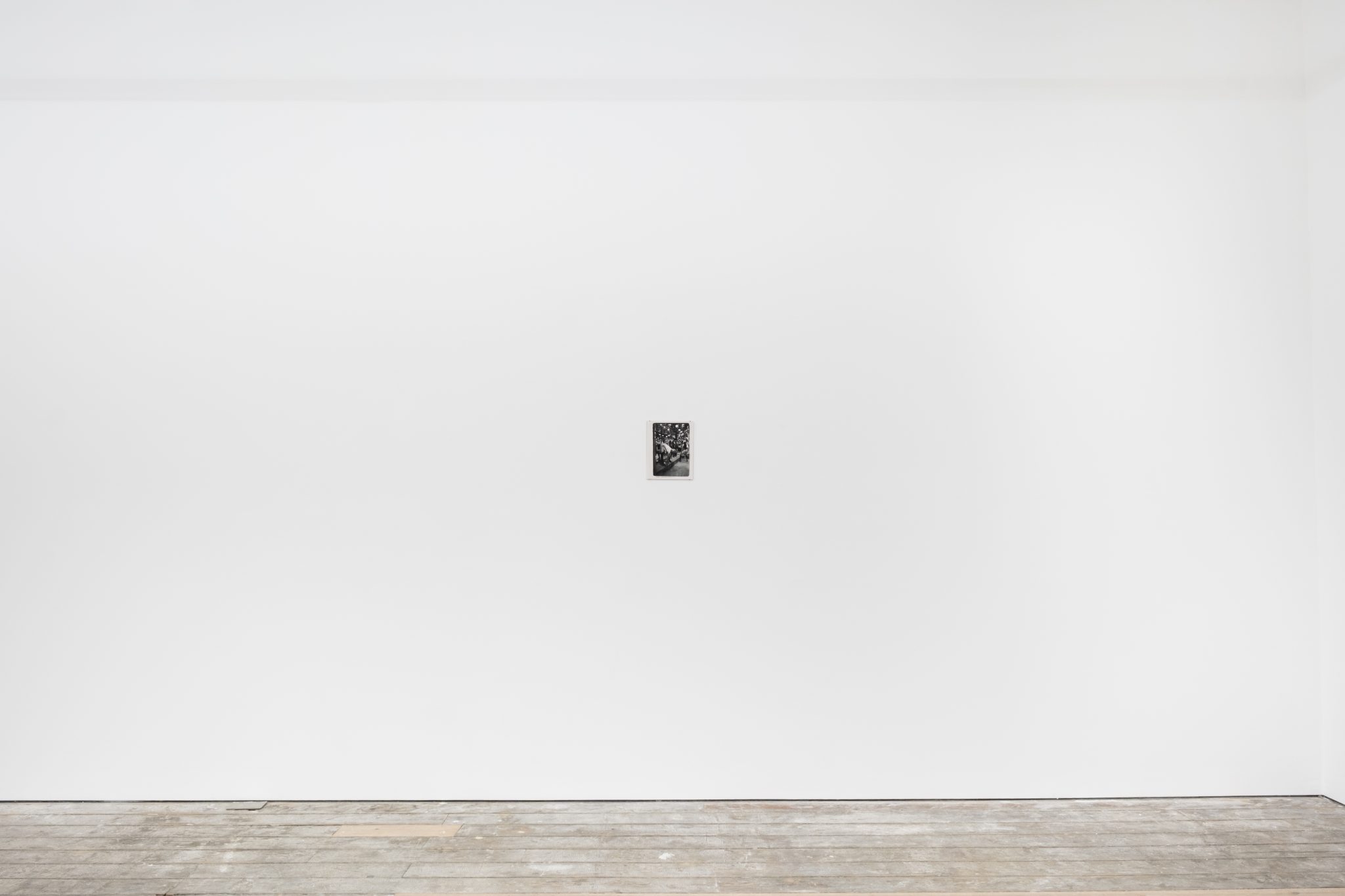
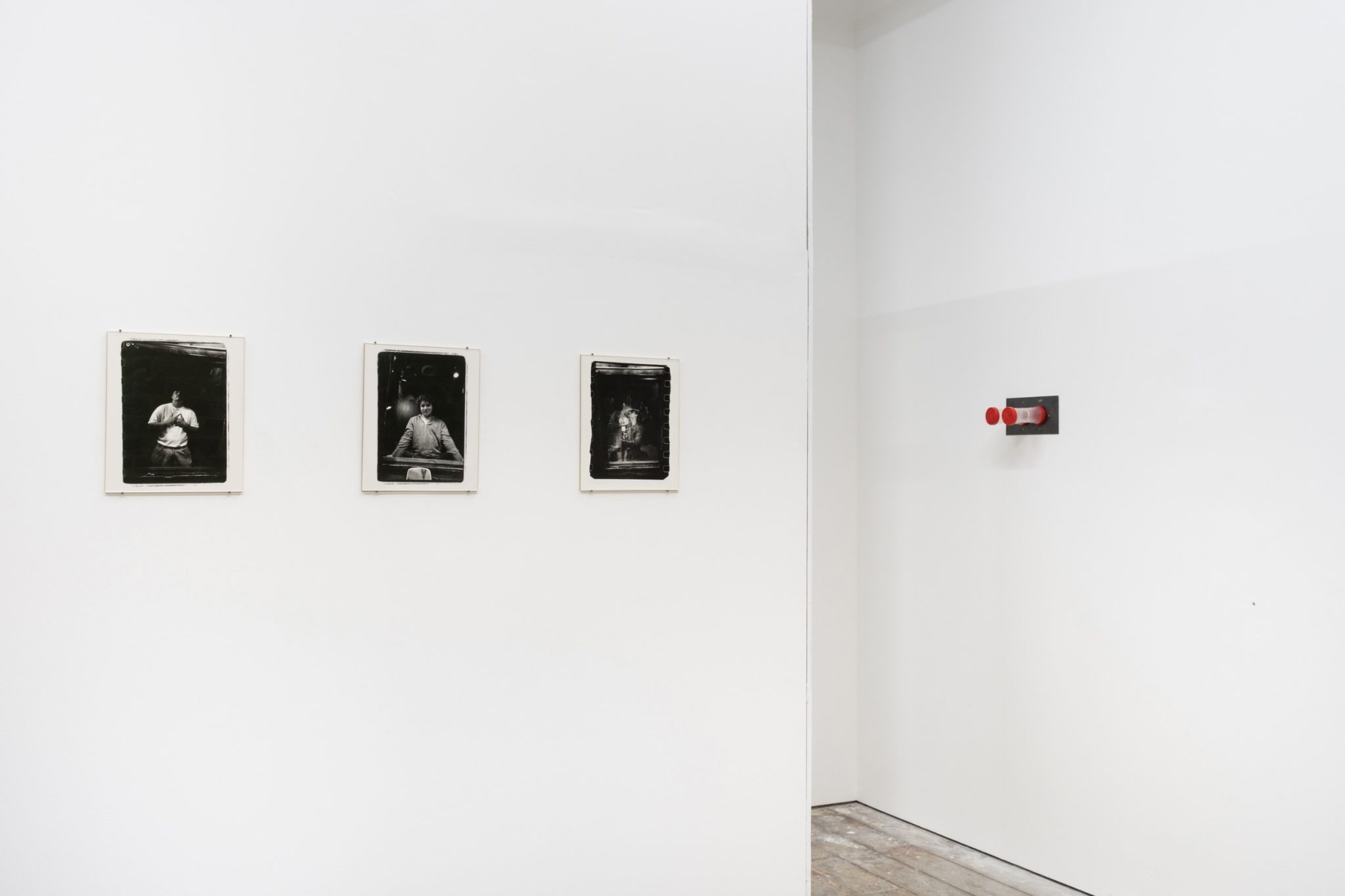
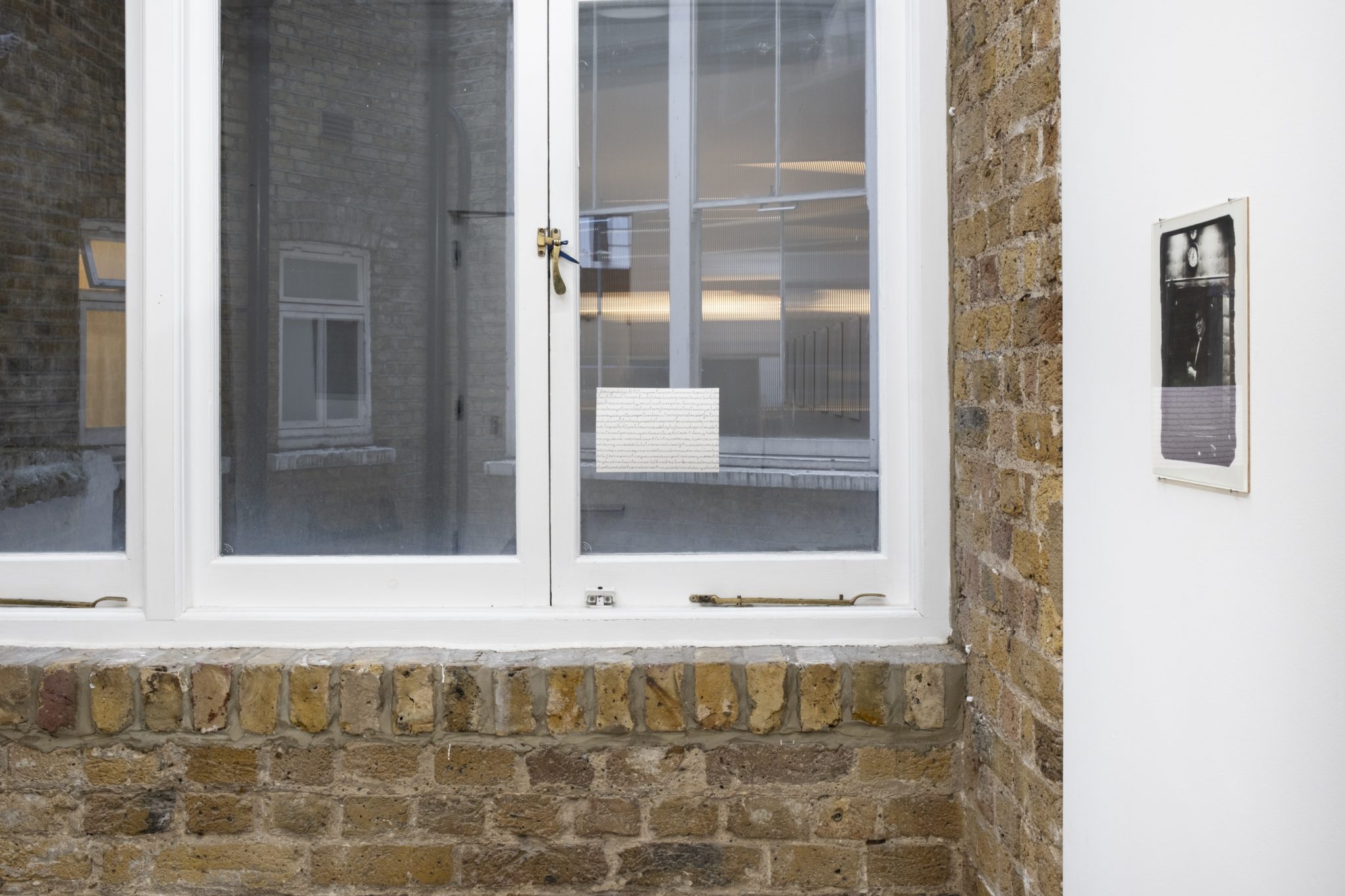
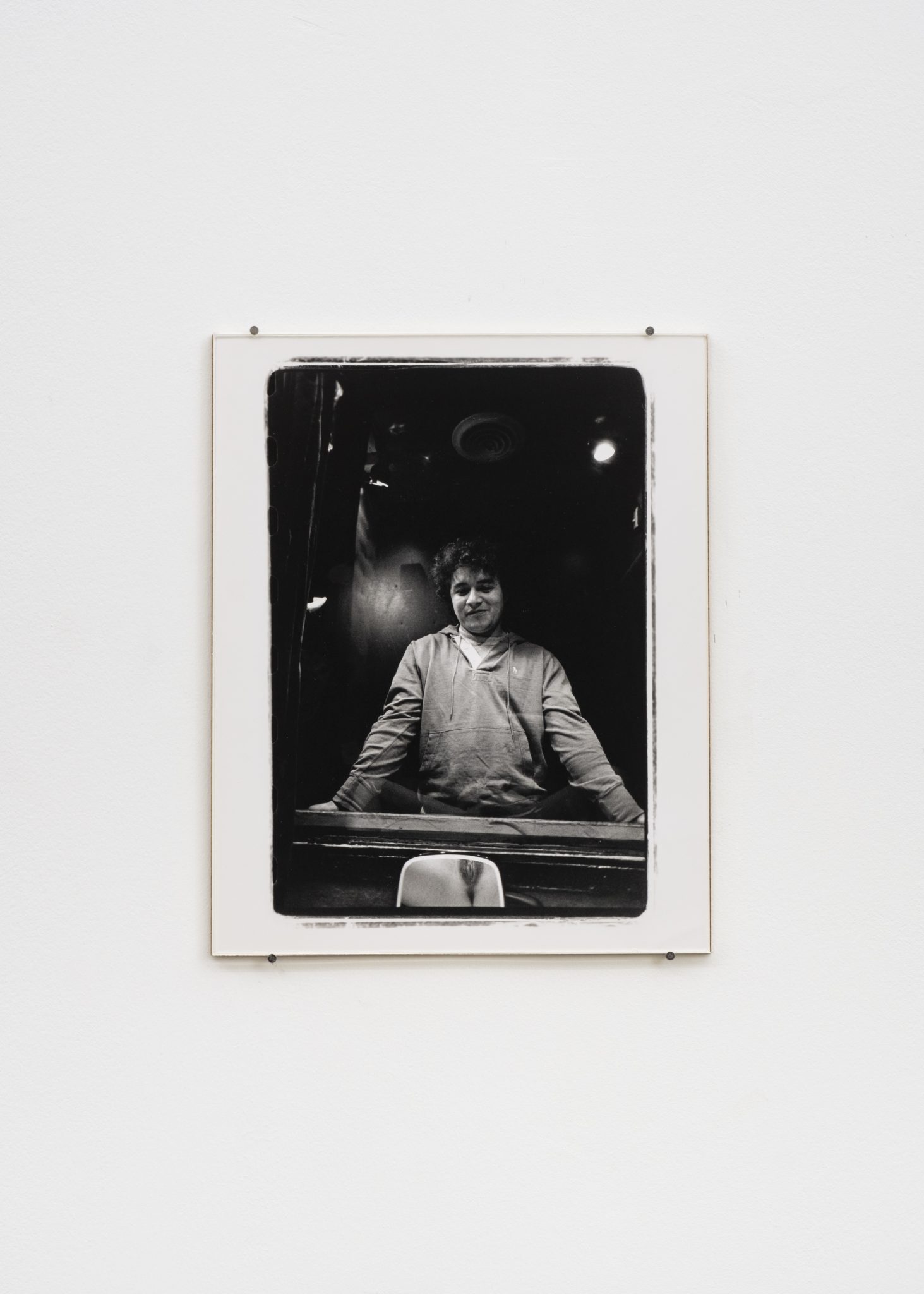
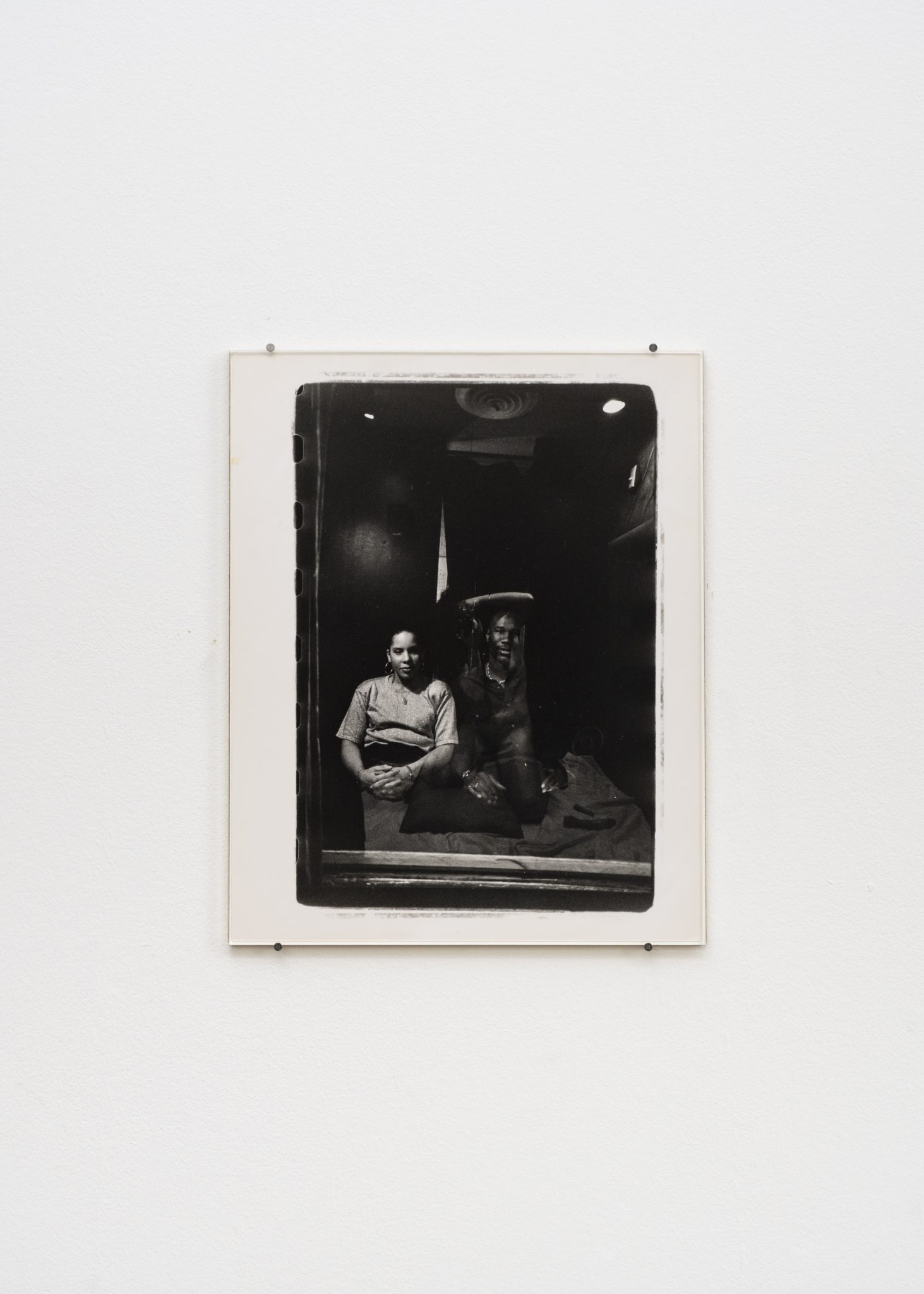
A similar tension emerges in photographer Cammie Toloui’s Lusty Lady series (1991–93), named after the iconic San Francisco strip club where she was working at the time. Smuggling her camera into the peep-show booth and offering her clients a free dildo show in exchange for having their portraits taken, Toloui’s approach to photography is one that exceeds the frame of the image, dealing instead with the web of relationships involved in the act of picture-making. The camera produces unprecedented depictions of men and kinks, while disrupting the business-as-usual transaction between performer and client through a photographic triangulation. Toloui also frames the clock, her tools, bits and pieces of her body in a hand mirror, while her silhouette at other times appears contorted or superimposed onto that of her clients in the reflection of the glass panel separating them. A thrilling exercise in gaze reversal, The Lusty Lady series also hints at the material conditions of a labor otherwise concealed – the dancers asked to give the illusion that they’re just here for fun. Stepping out of the commodity status by reclaiming the act of looking, Cammie Toloui here grants us a view from within the vitrine.
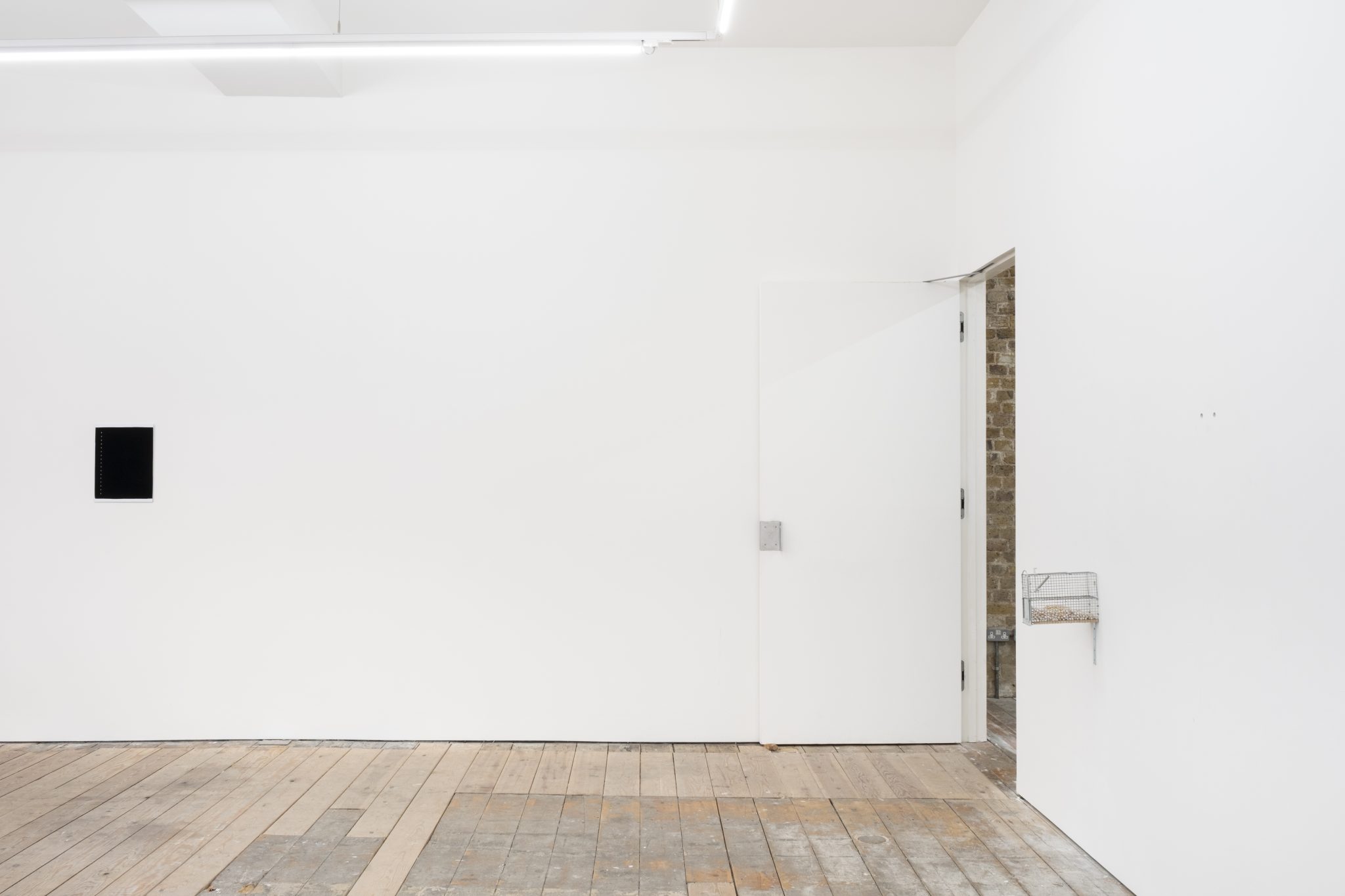
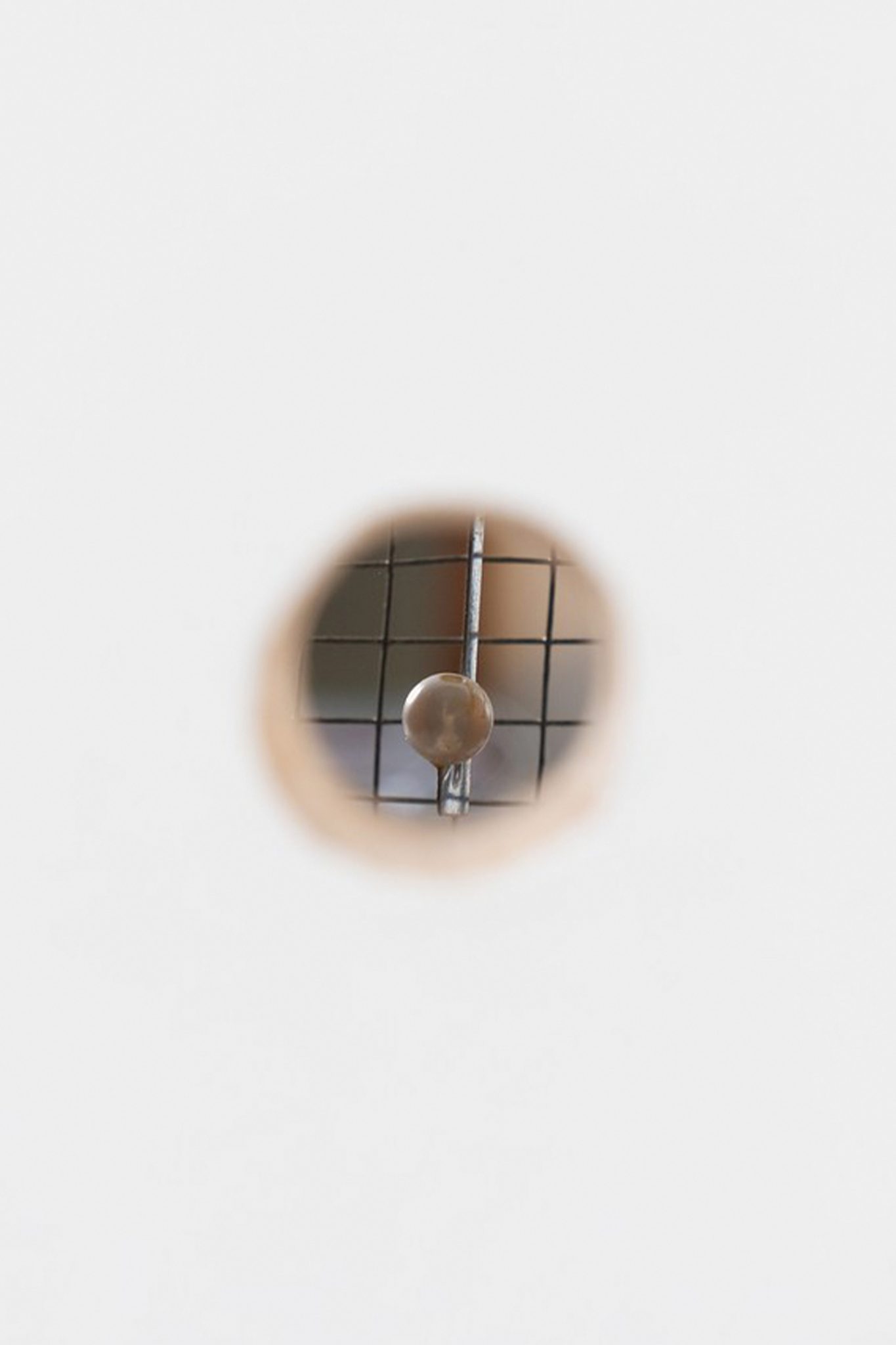
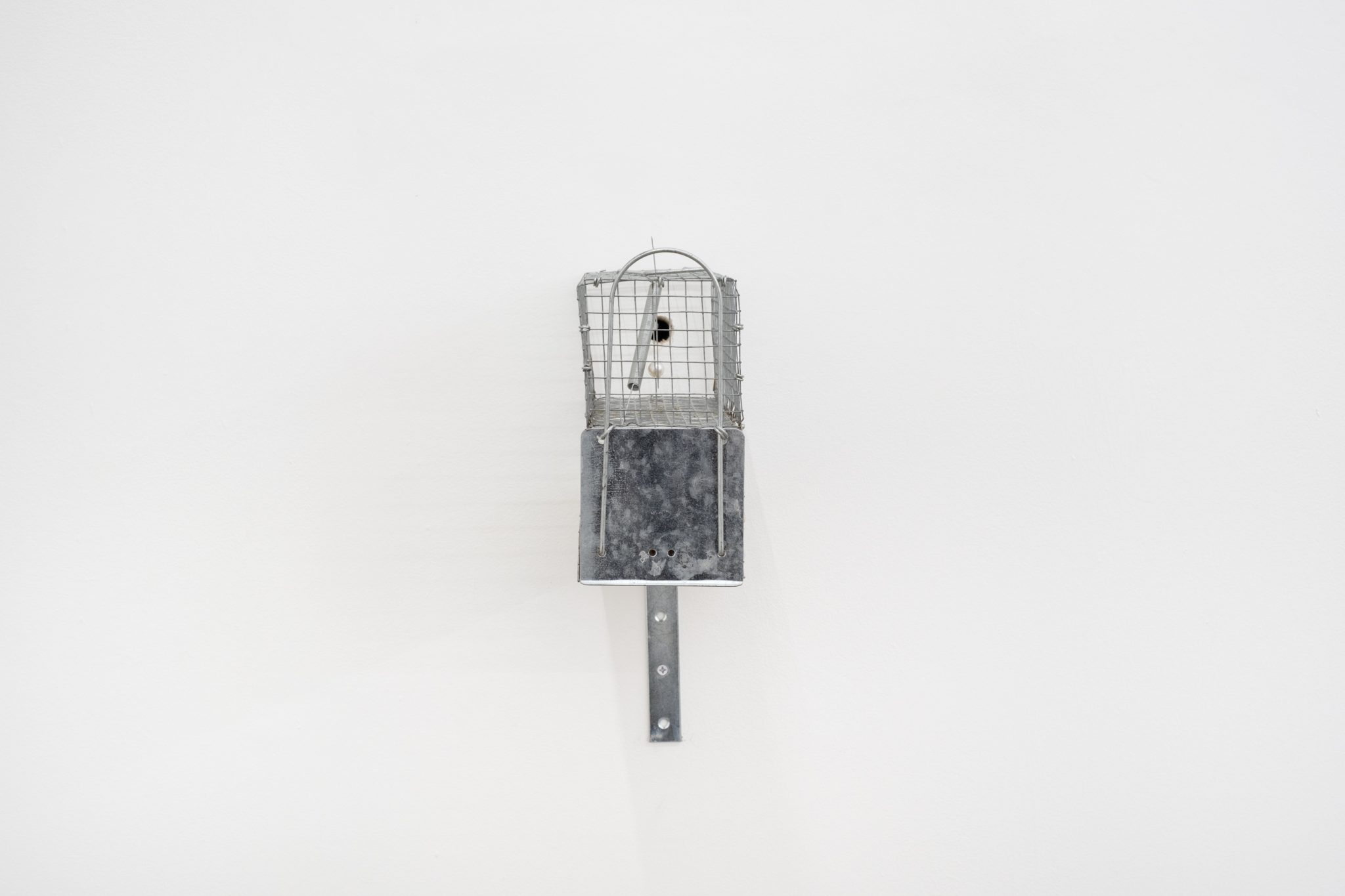
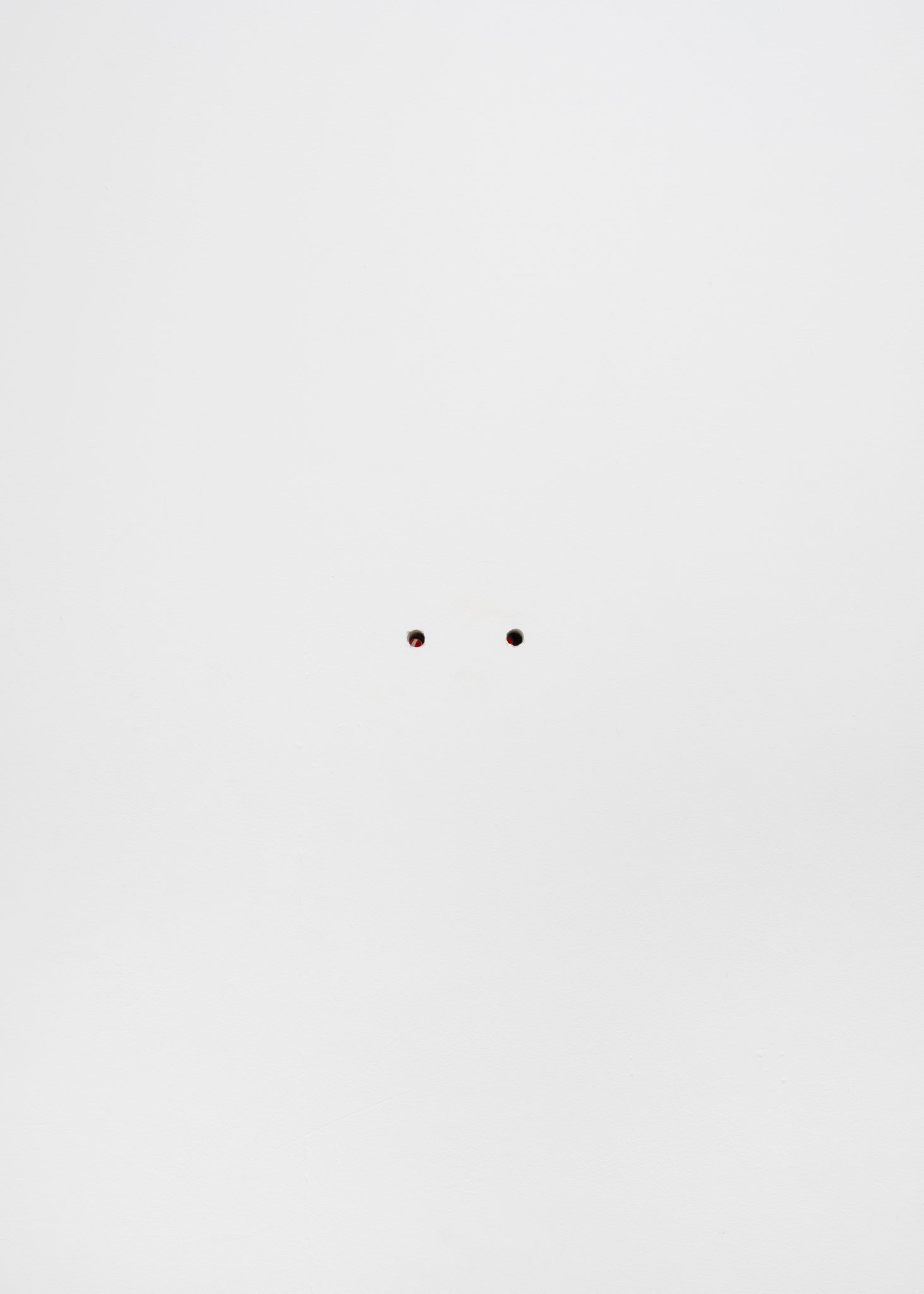
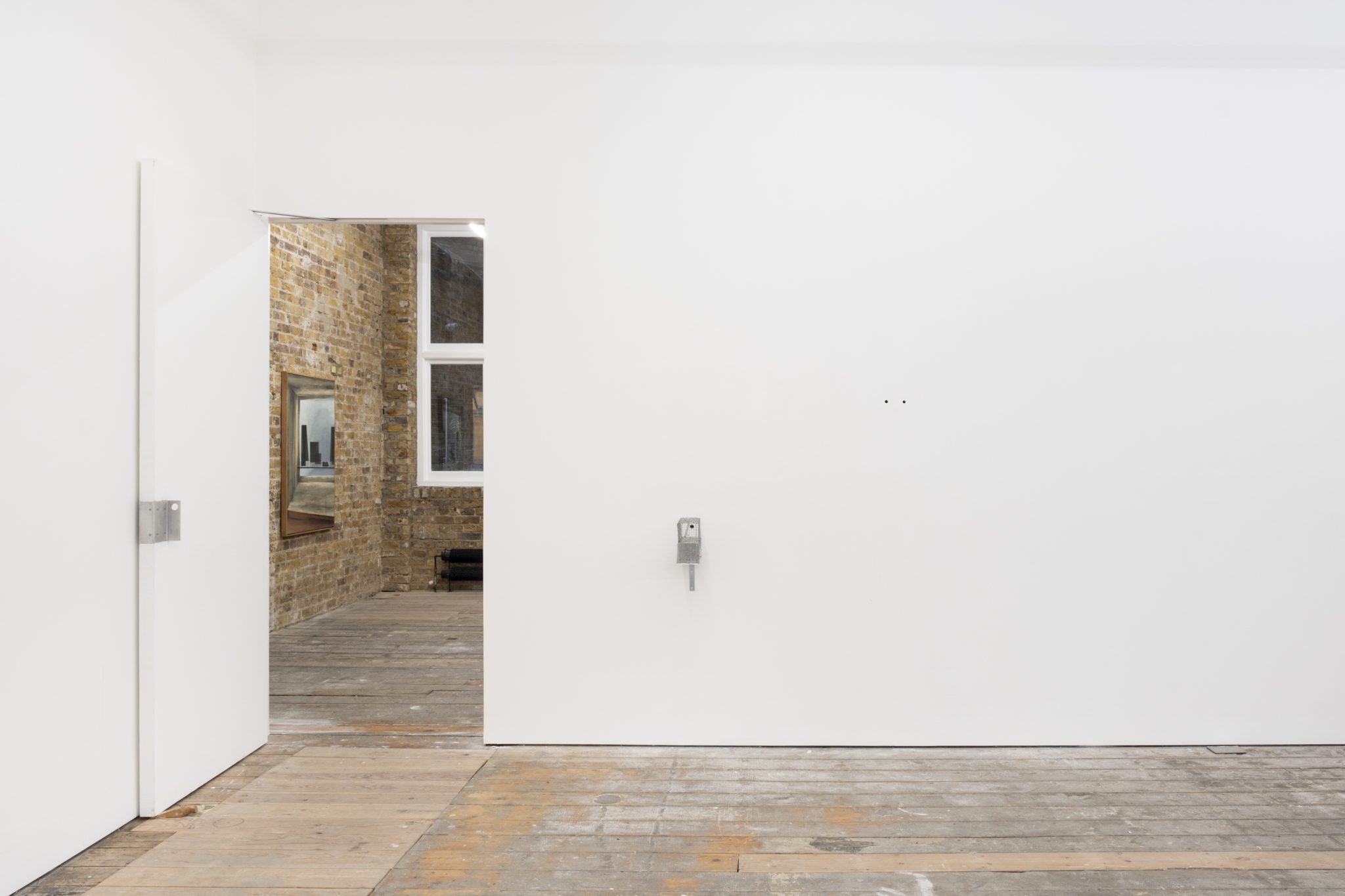
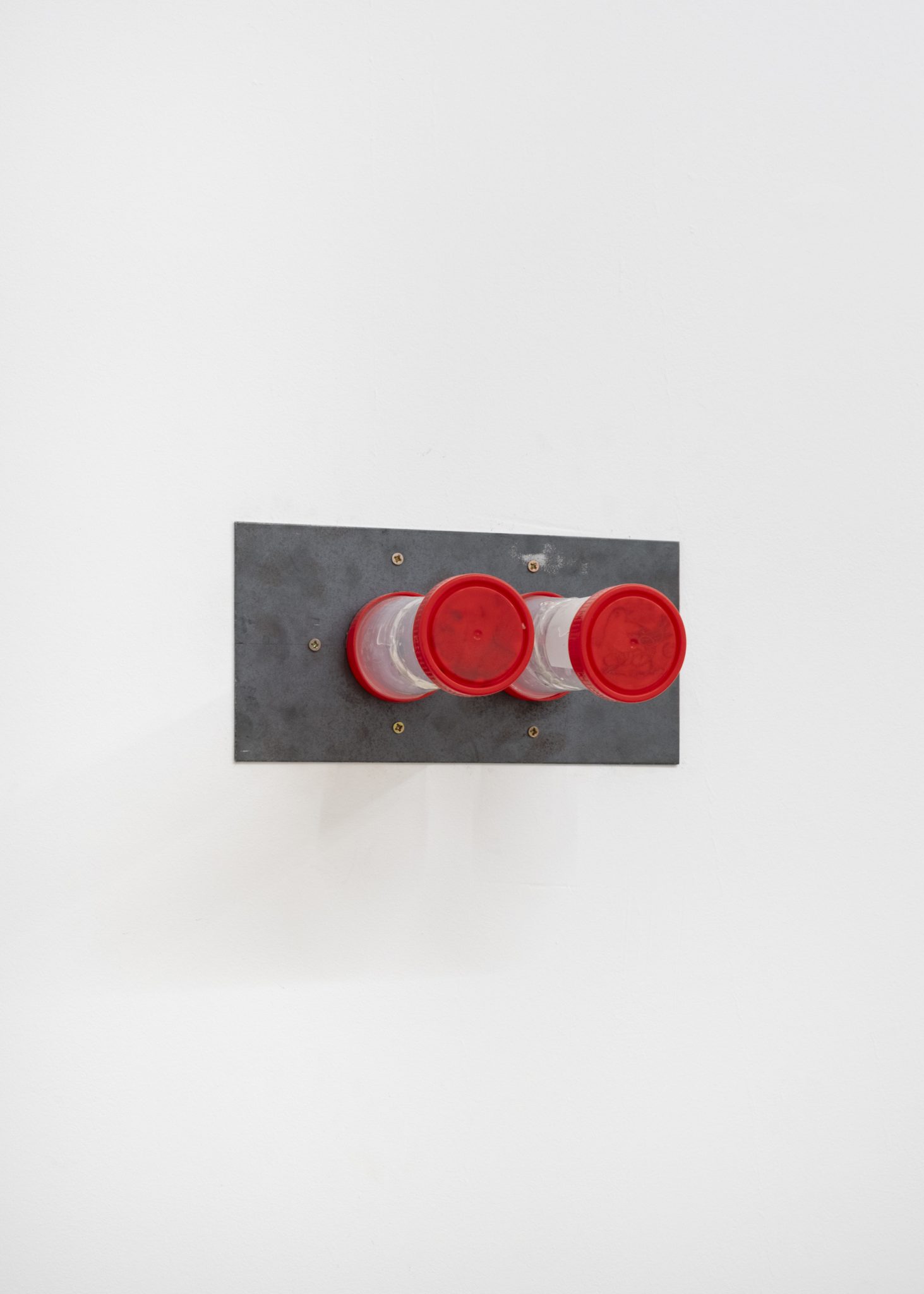
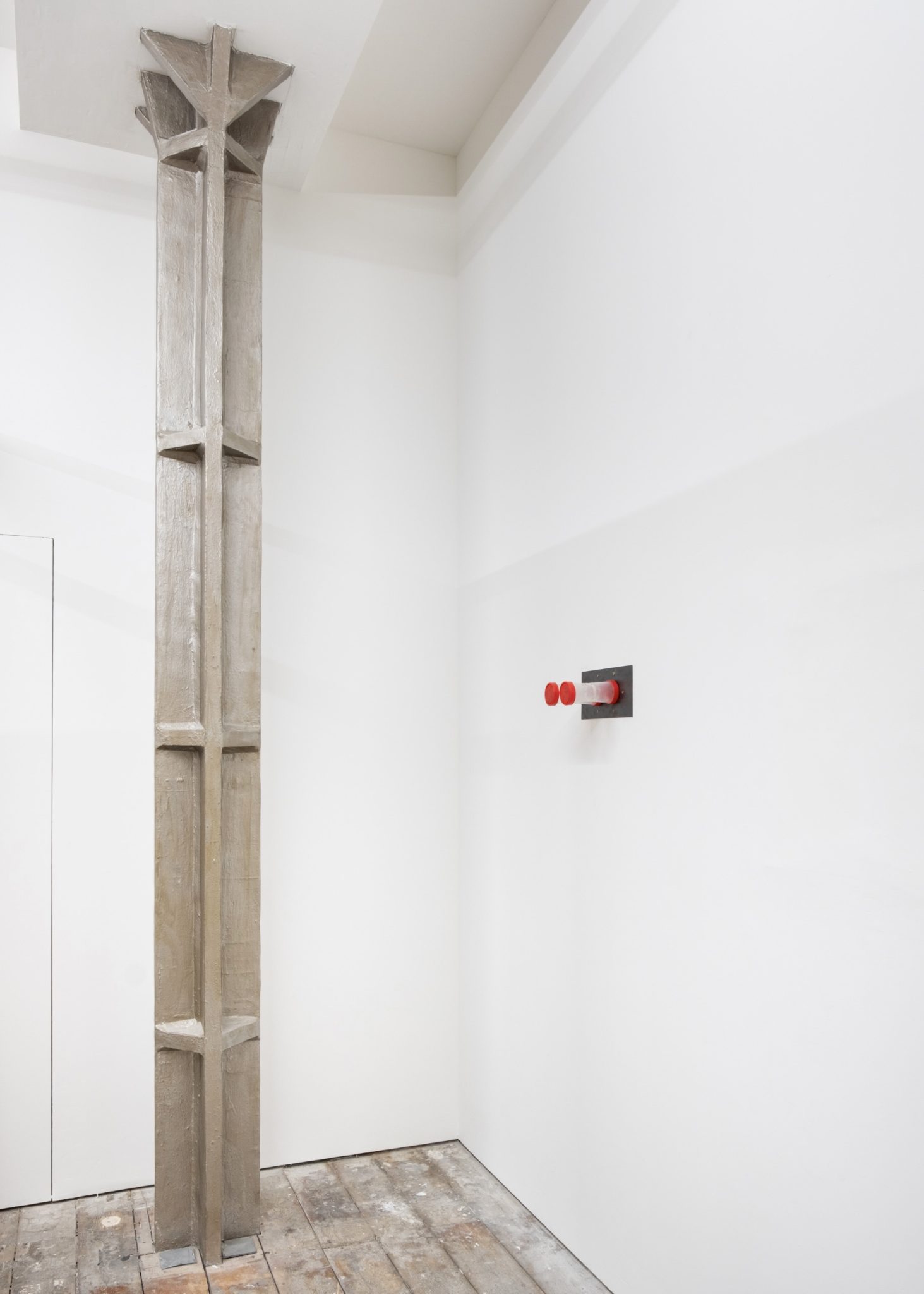
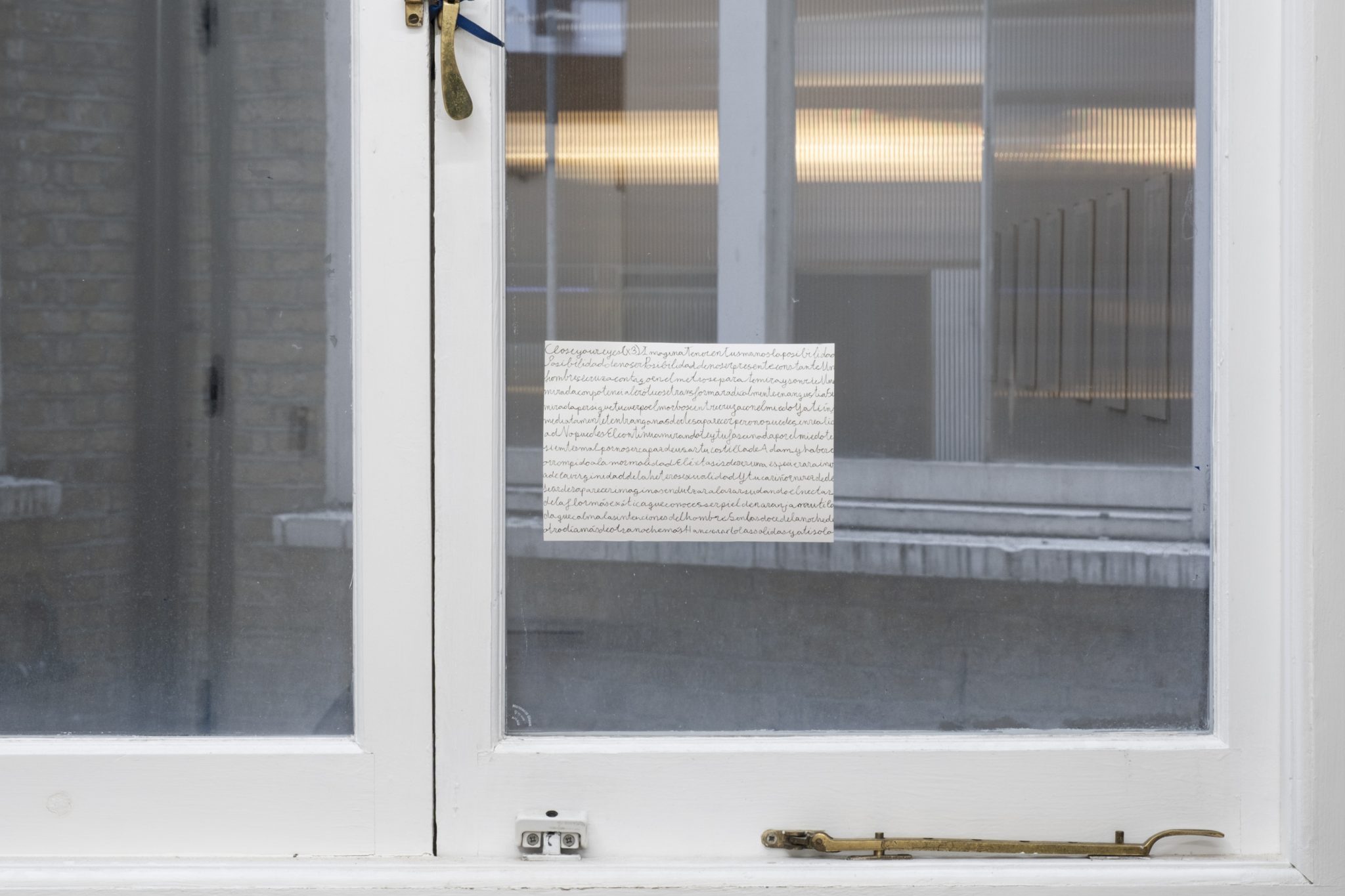
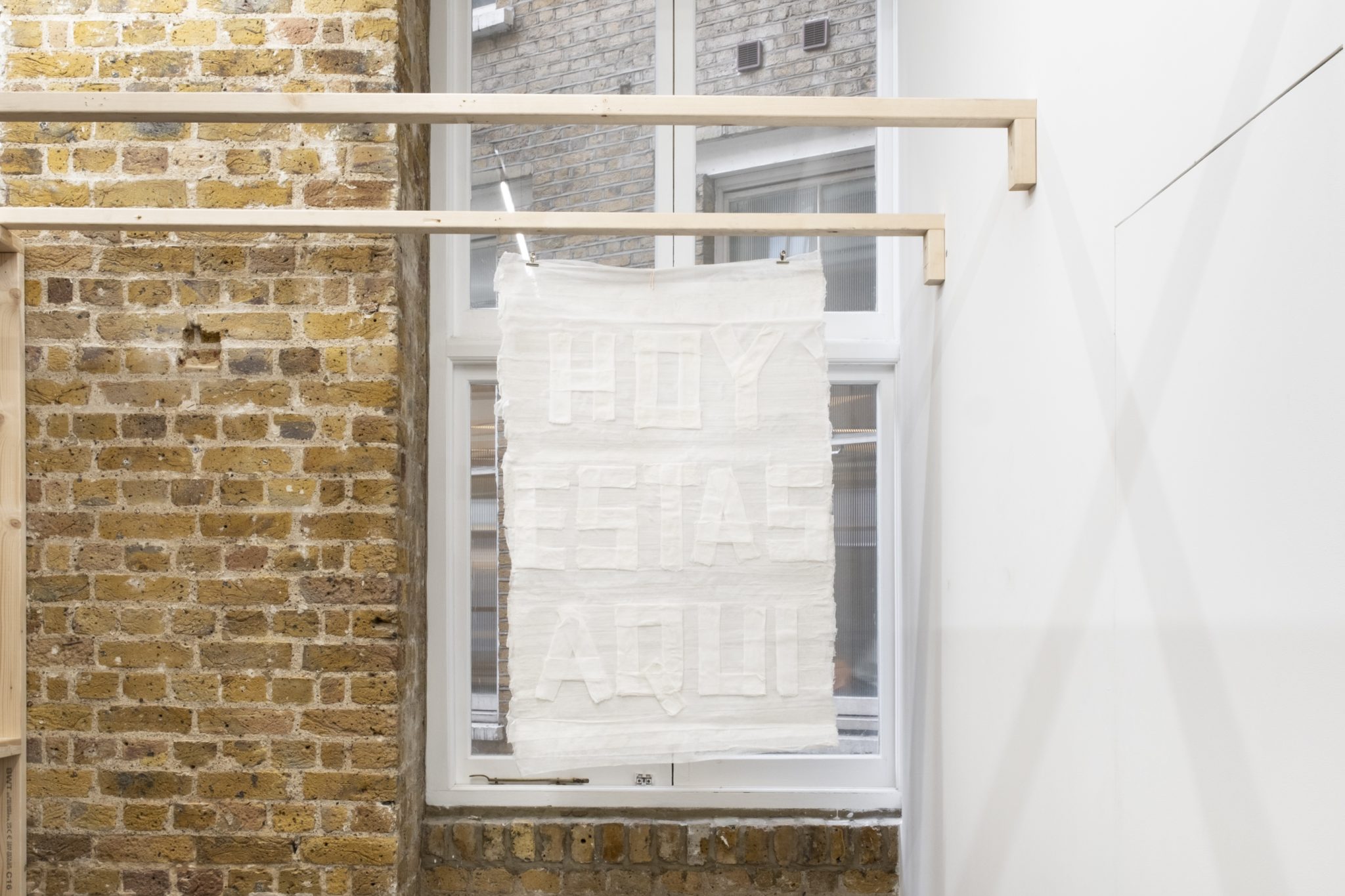
Before entering the peep show booth niched in the second room of the gallery, one may notice its main wall pierced both ways by reverted peep holes. Asking that the viewer kneel on all fours, one leads to a floating pearl, confined within a metal cage [Perlita 2, 2023]. The second offers glimpses of a bird and a self portrait, both images receding from view through an optical device fashioned out of urine containers [Fernando Molano Vargas says: Desire, Life, Love. I say: how good, 2023]. Playing with the entwinement of seduction, display and entrapment, the work of artist, poet and DJ Perla Zuñiga (1996–2024) builds from embodied experiences and everyday objects. Zuñiga’s DIY sculptures subvert conventional dynamics of viewership by simultaneously engaging and frustrating the observer. They act as “small scenarios or theatrical containers […] bringing with them forms of sociability, care, and lived experience rooted in [Zuñiga’s] trans community, electronic music culture, and her navigation of cancer treatment”, to quote curator and poet Leto Ybarra. Made during her third relapse of Ewing sarcoma, Zuñiga’s work Today You Are Here (2023) – on view in the gallery’s office – constructs somewhat of a “surface metaphysics”, the artist layering medical bandage into an hic et nunc mantra, recalling existence to both its joys and vulnerability. Zuñiga’s pieces thus work through the alternating motions of desire, illness, and partying, in a constant confrontation with both fantasy and the external world; with the bodies that look and those who are being looked at. “A man crosses paths with you on the
metro; he stops, looks at you and smiles. A gaze with erotic potential is radically transformed into anguish”, reads one of her poems in Spanish, adapted from a performance and here pasted on one of the gallery’s windows [untitled, date unknown].
The closed circuit binding looking and desiring also lies at the heart of Camille Kingué’s writing. Her work attends, with a composed, at times detached viscerality, to the political groundings and ambivalences of how we relate to and long for one another. “I know you never dated a Black girl before / I know you are attracted by them since you saw them more on Instagram / […] I know that my personal story is linked to capitalism and its / perpetual need for renewal […] I know my body is desirable / due to the proliferation of images / of girls like me / which means / that I am disposable too”,
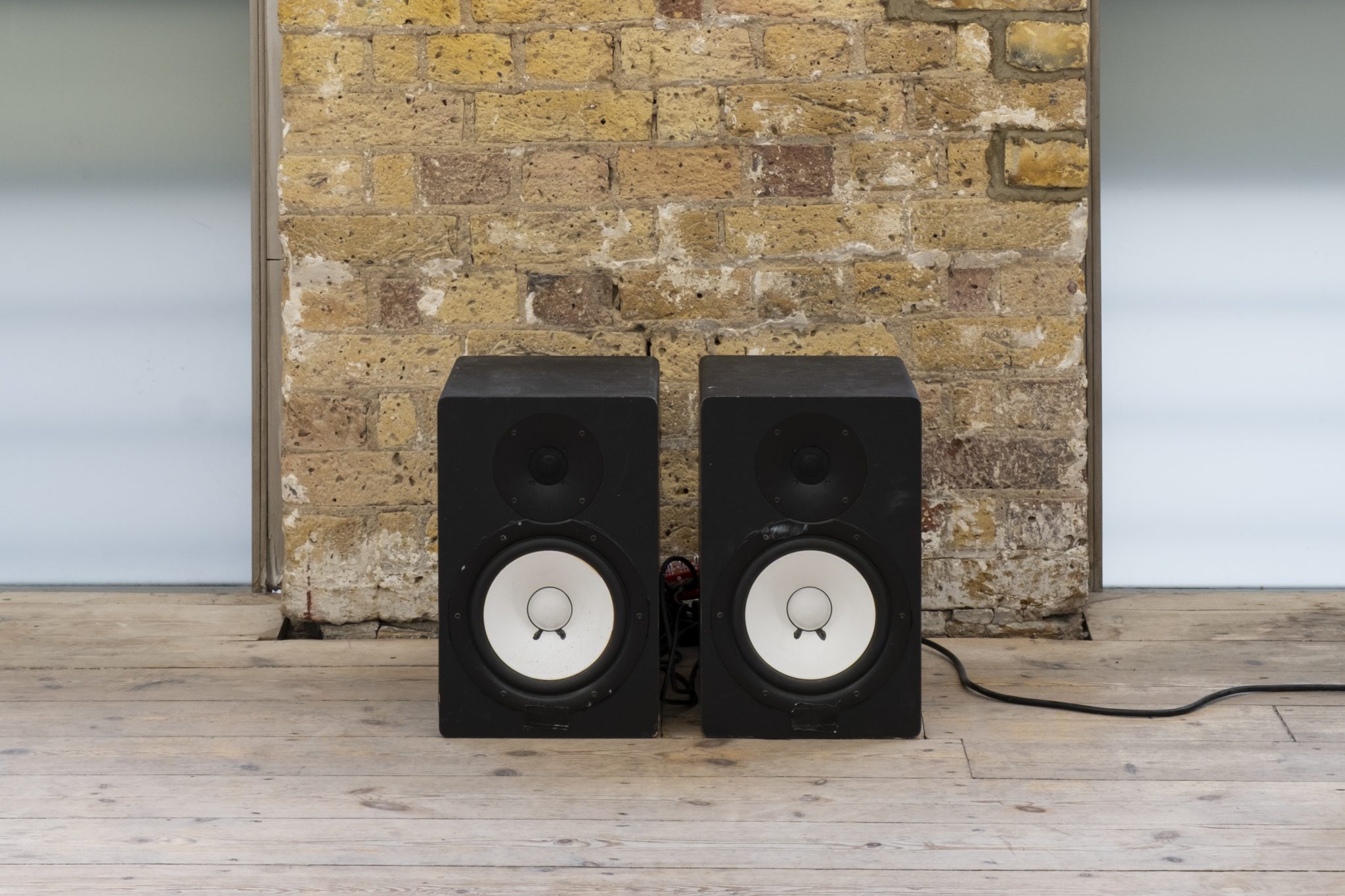
Kingué writes in Sex 2 (2024), a poetry chapbook published by the London-based micro-publishing house If A Leaf Falls Press. Fragments of the collection have since found their way into a sound collaboration [I tried to reach you, 2026] with Paris-based artist Raphaël Massart, founder of the record label Aveycke. Navigating ties of resistance and intimacy, between virtuality and physicality, these recordings bathe the space in bits and pieces of a missed conversation, tracing the distance between bodies, the projections they summon, and the occasional rifts of fleshly encounters.
1. Leto Ybarra, “Perla Zuñiga: Mousetraps, Tinker Bell and Holes,” Juf, July 10, 2024, https://jufjuf.org/en/post/perla-zuniga