Dirty
Zoe Williams
06.03.26 - 18.04.26CLICK HERE TO ACCESS THE PREVIEW
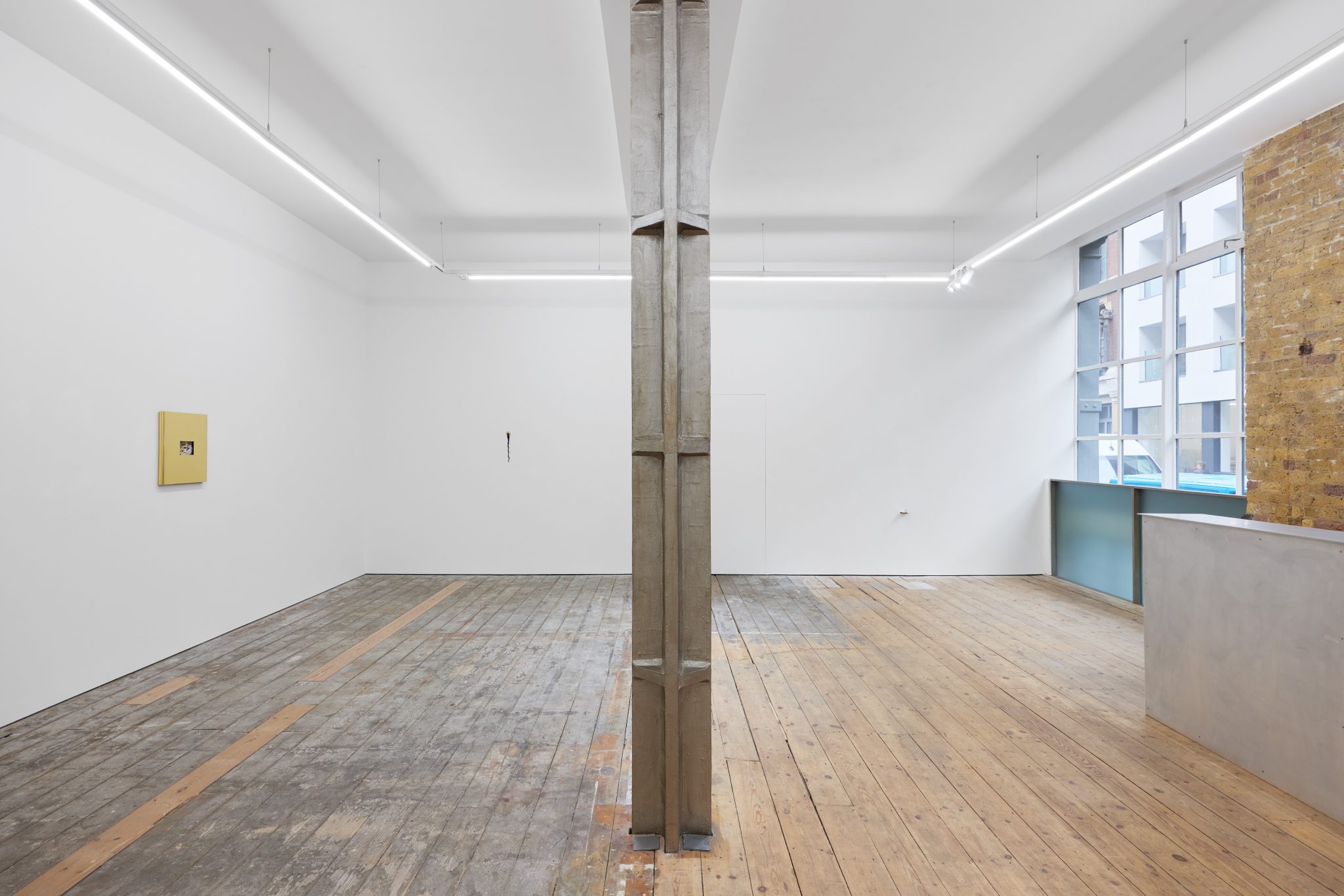
Dirty is a solo exhibition by British artist Zoe Williams (b. 1983, UK). Working across a wide range of media including installation, moving image, sculpture, drawing, and performance, Williams’ practice explores the fetishistic nature of materials and their relationship with embodied modes of consumption and expenditure. Through an erotic (or even meta-pornographic) cosmogony of forms and narratives, her work deconstructs the power structures that shape dominant narratives surrounding the body and sexuality.
Extending the research developed in her recent solo exhibitions Petrolia (Ciaccia Levi, Paris, 2024) and En Liquide (Centre d’art contemporain du Parvis, Tarbes, 2025), which examined the circulation of capital through liquid materials such as oil, wine, and urine, Dirty turns to food to probe the ideological underpinnings of collective consumption, excess, and waste.
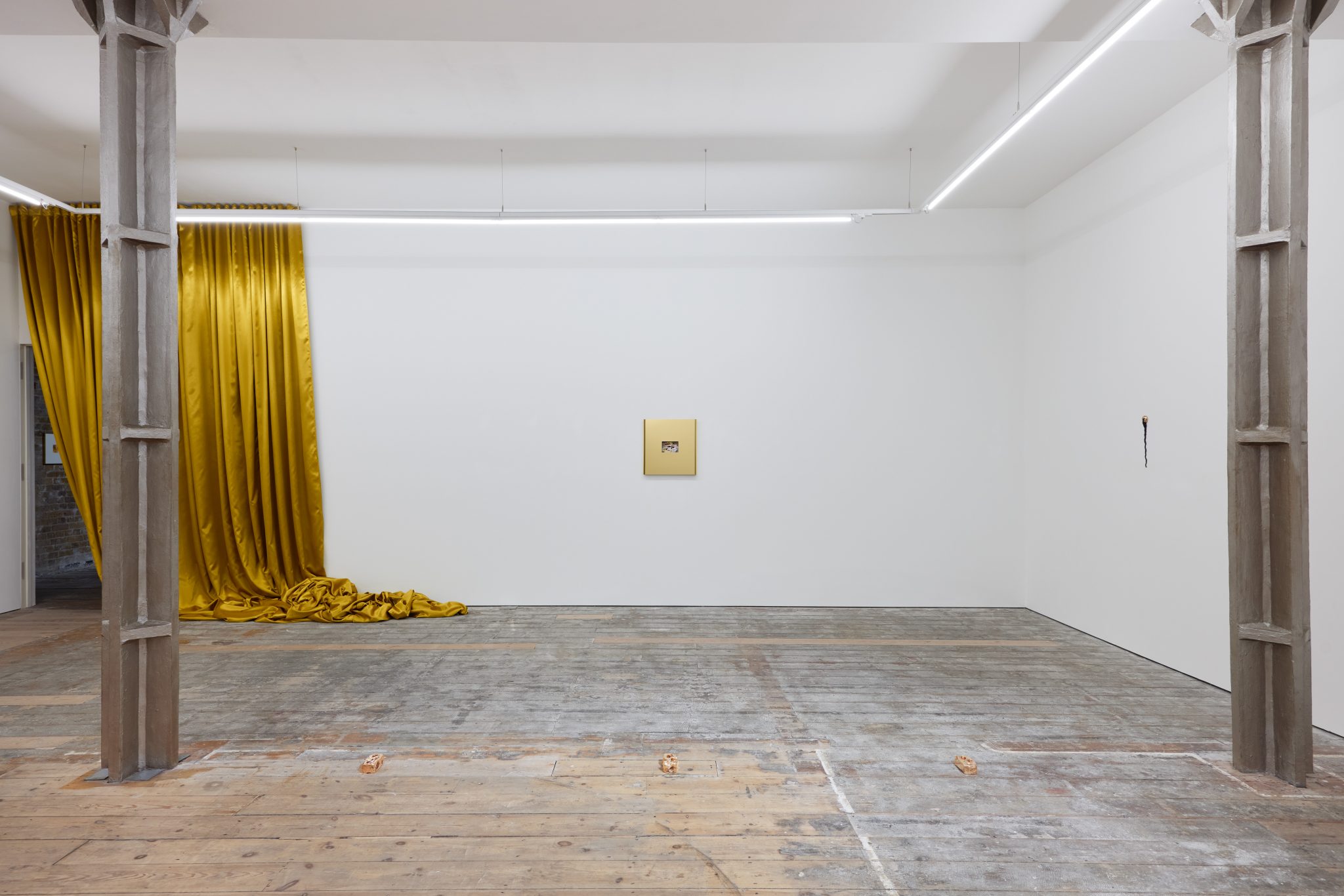
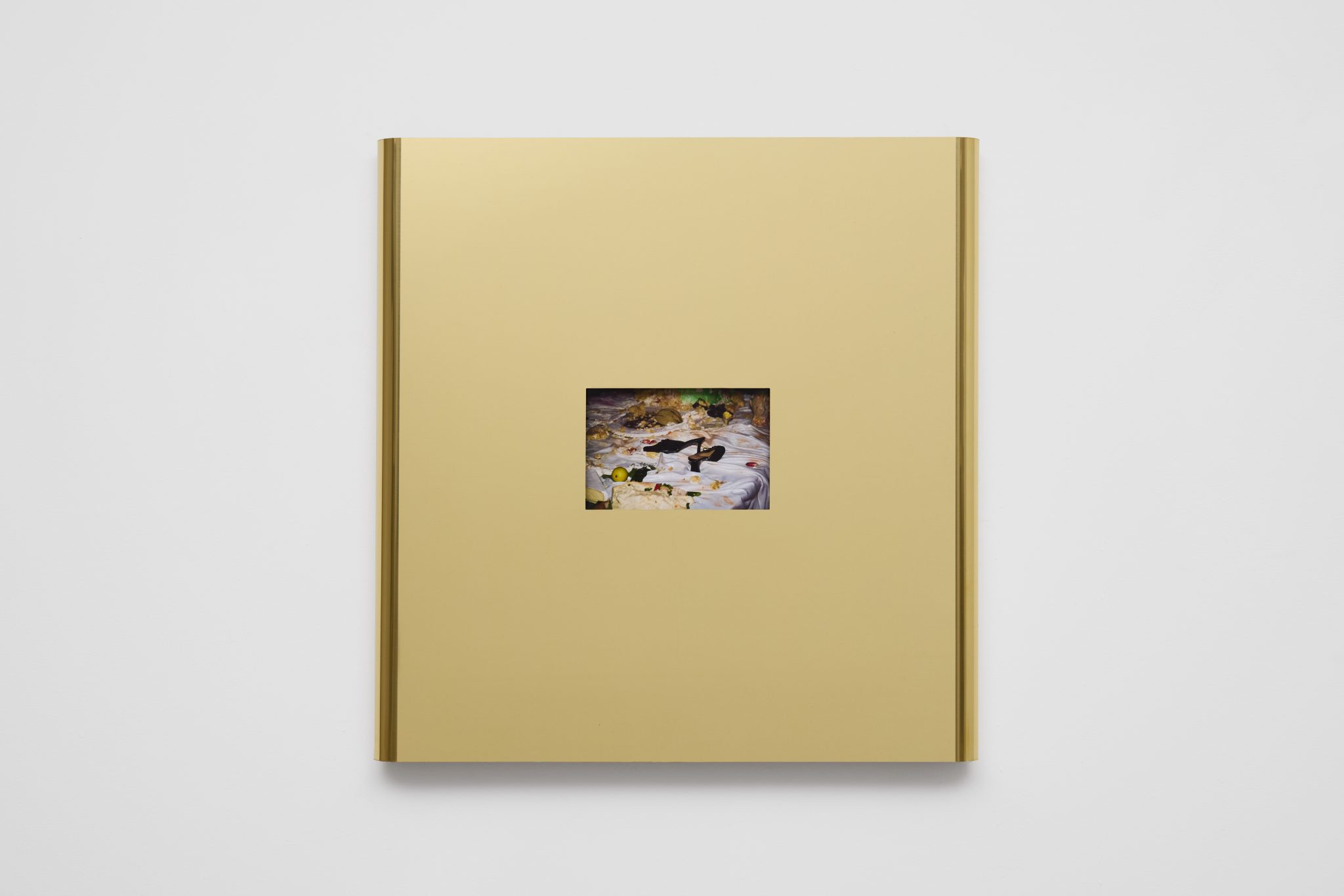
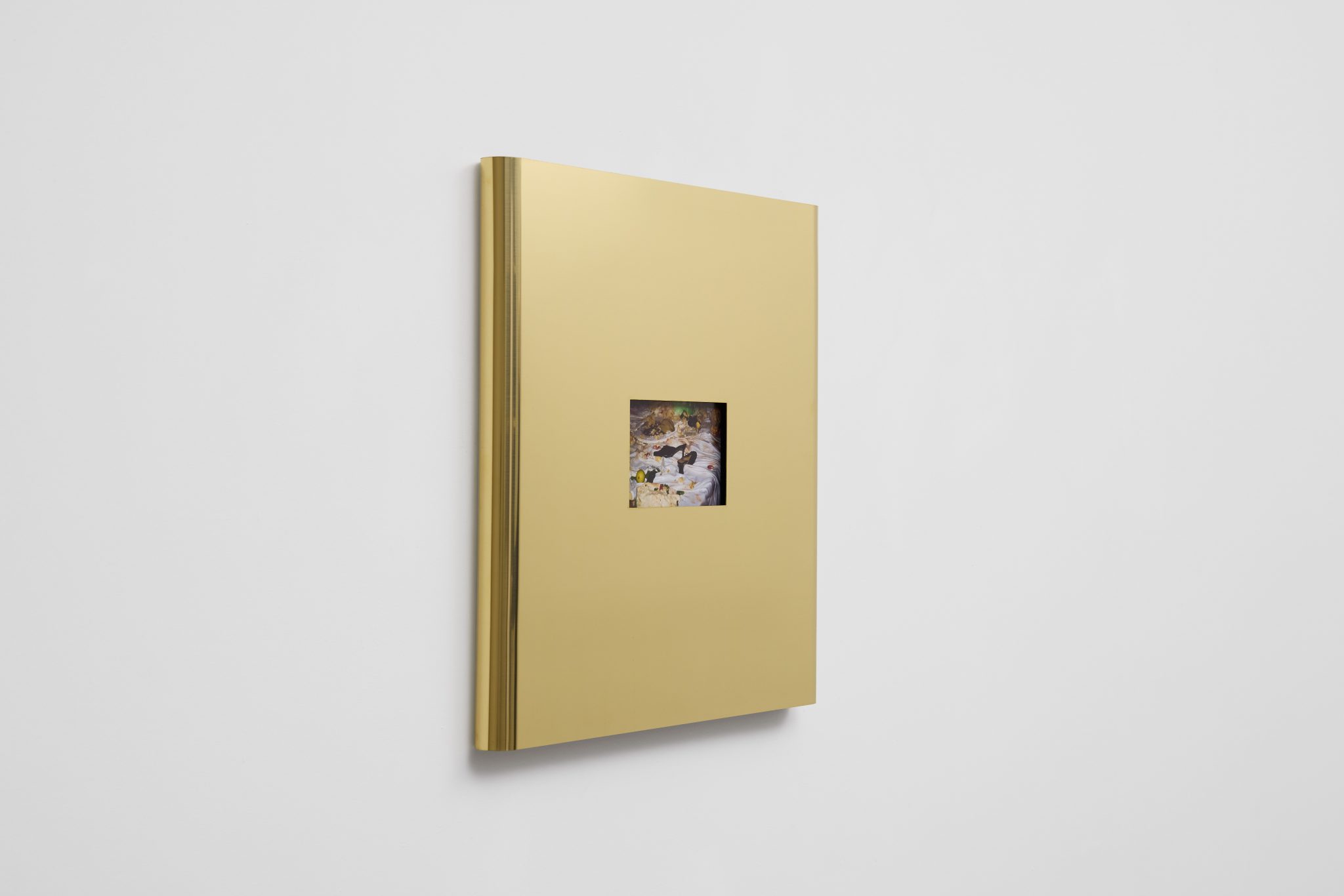
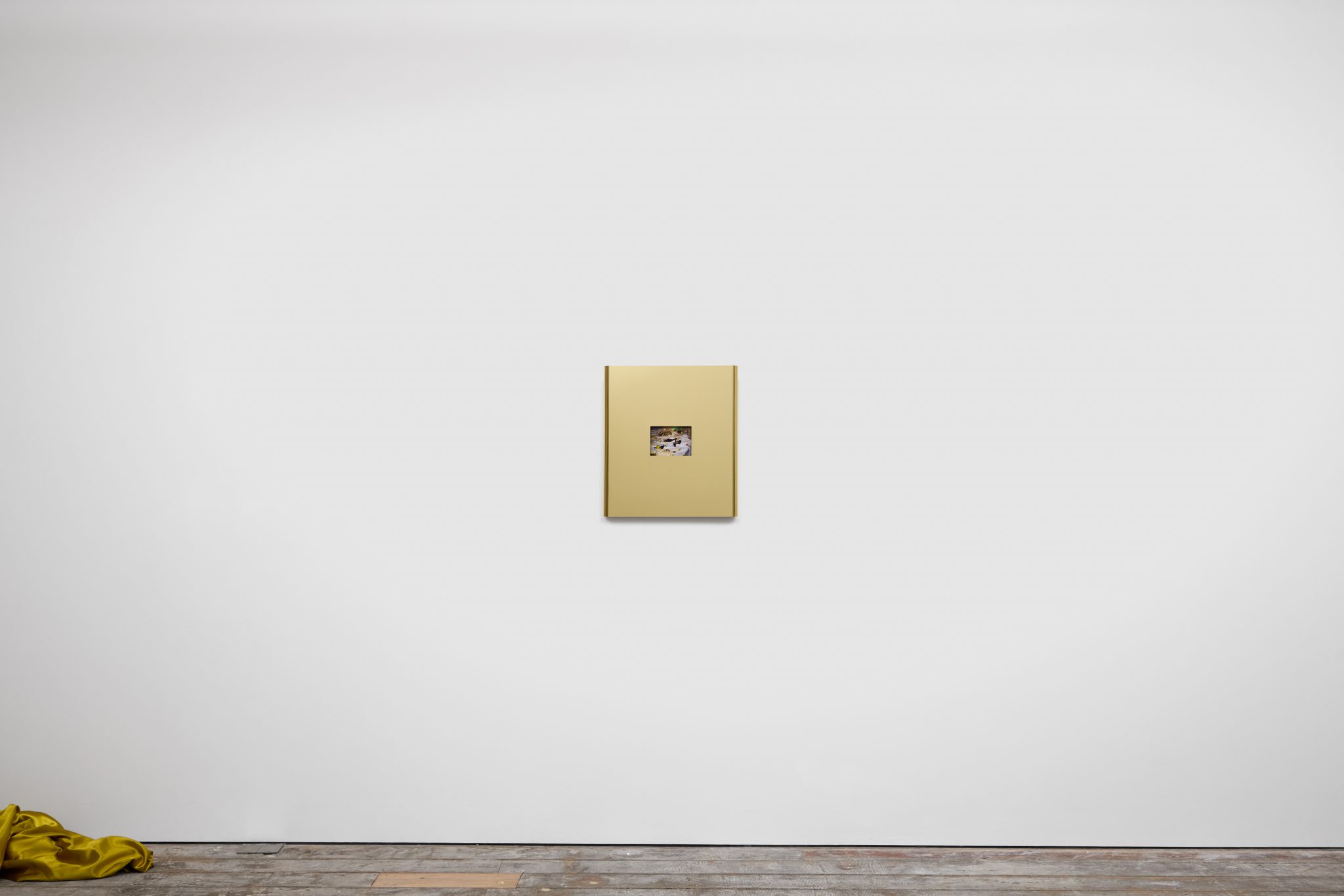
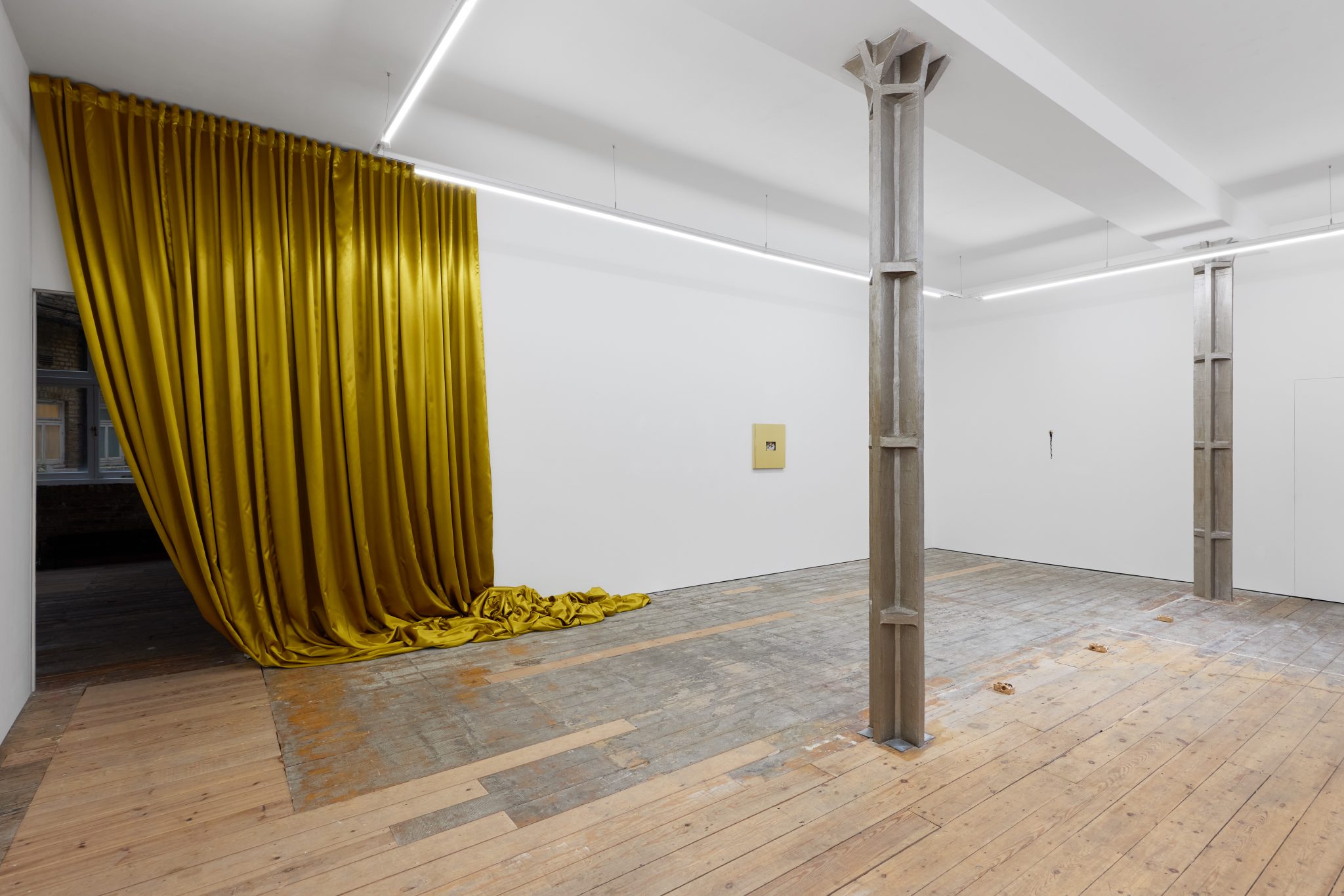
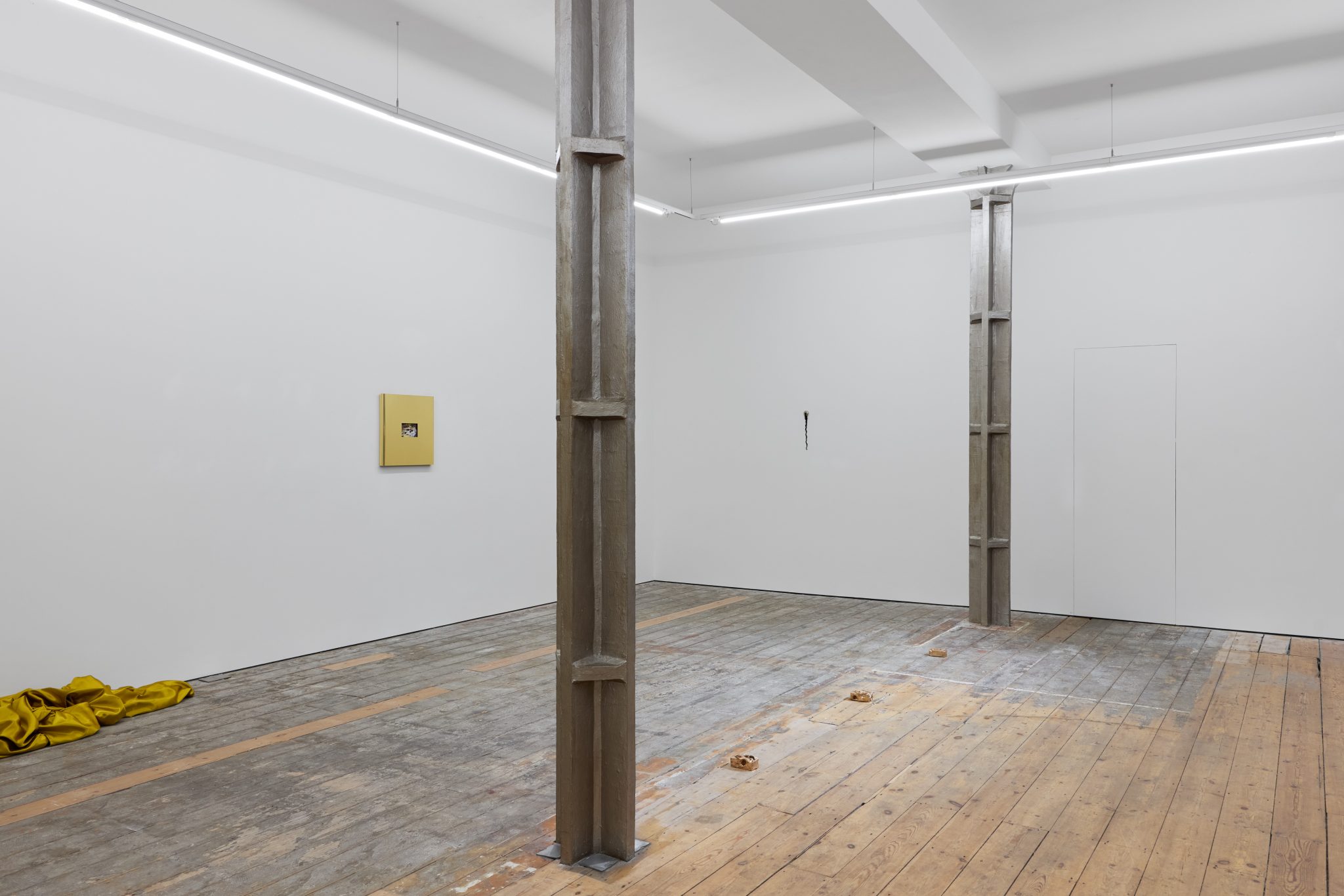
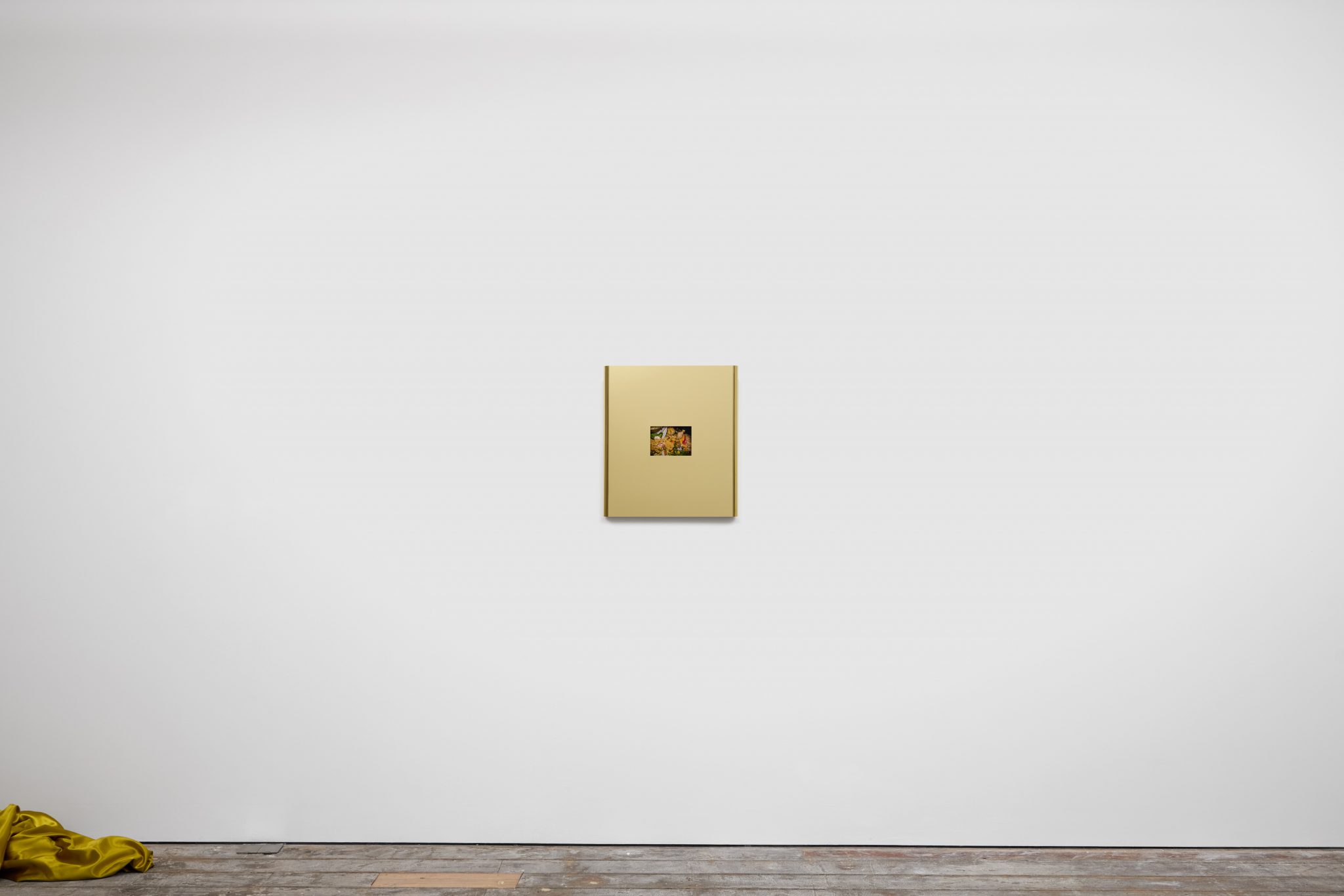
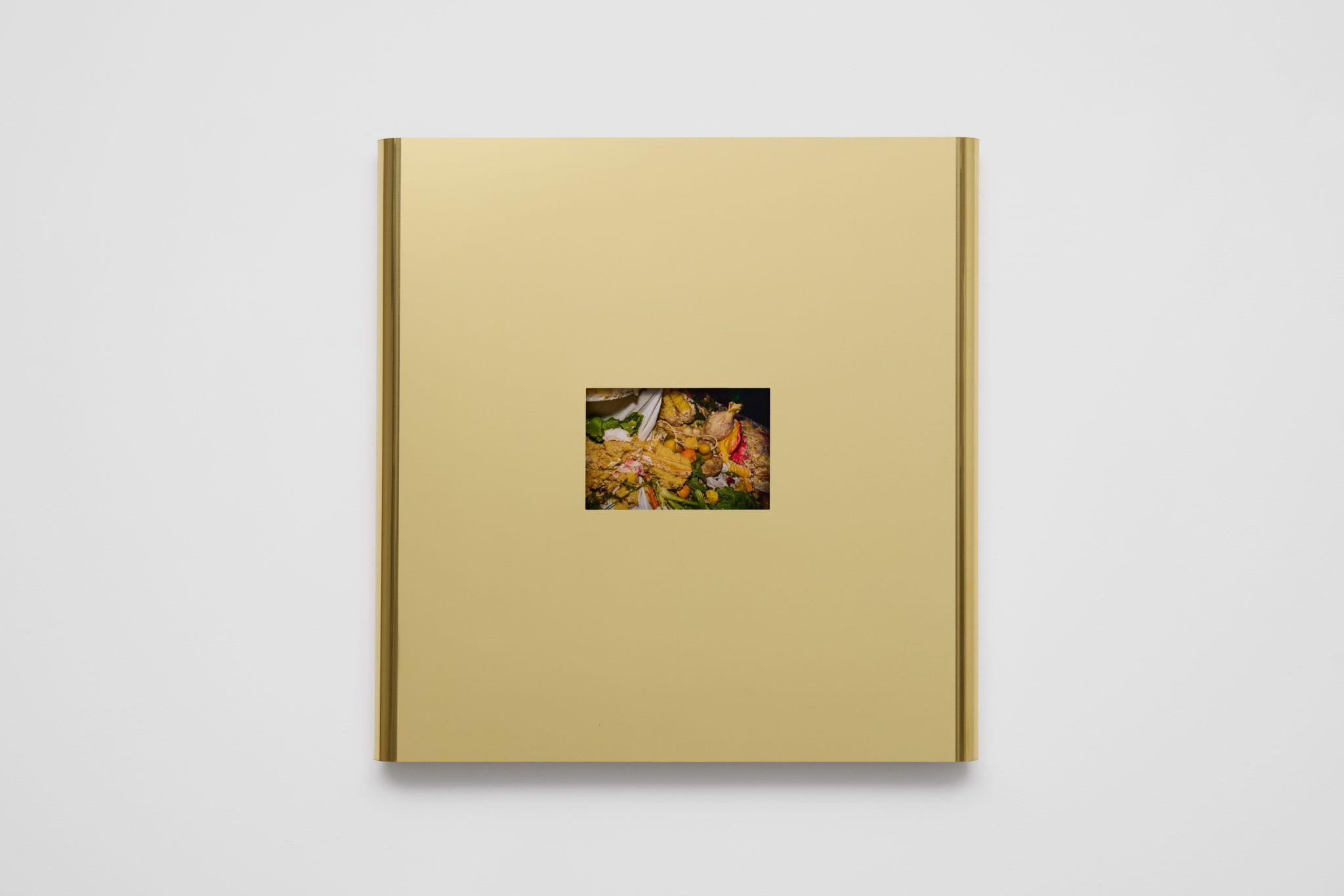
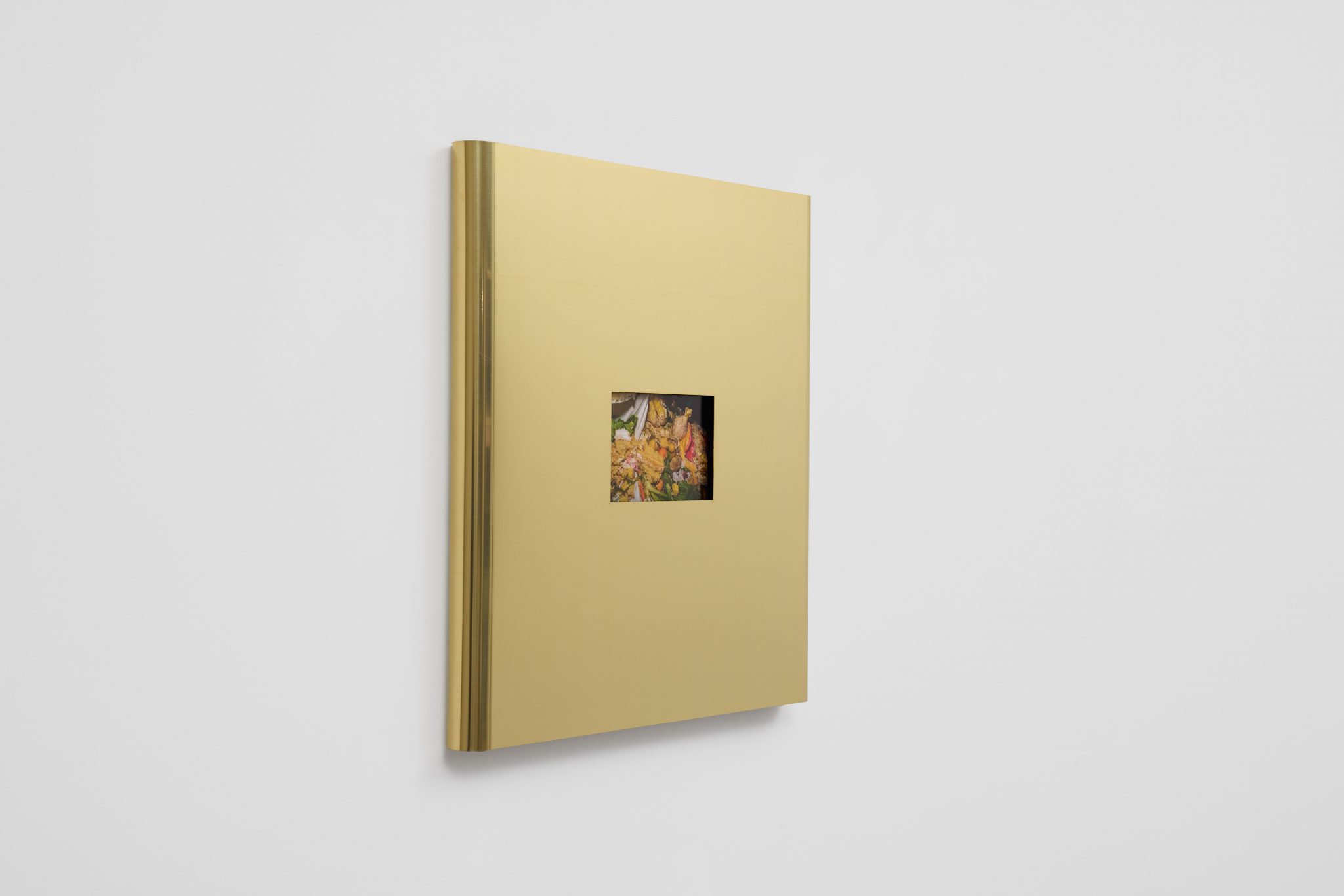
A photograph from Williams’ Ruffles series sets the scene. Framed in a brass plate, it documents the aftermath of a performance staged by the artist at Art Monte-Carlo in 2019, where she created a banquet incorporating food, video, music, ceramic sculptures and female characters exploring notions of power exchange and objectification of both the viewed and the viewer. Here, what remains of the event is a pair of black faux Gucci heels resting upon a silk tablecloth strewn with fragments of cake, scattered fruit, and melting Gorgonzola. The opulence of the mise-en-scène is countered by its state of disarray: food collapses into ornament, luxury accessories into debris. Seduction and spoilage converge in a tableau that oscillates between still life and ruin.
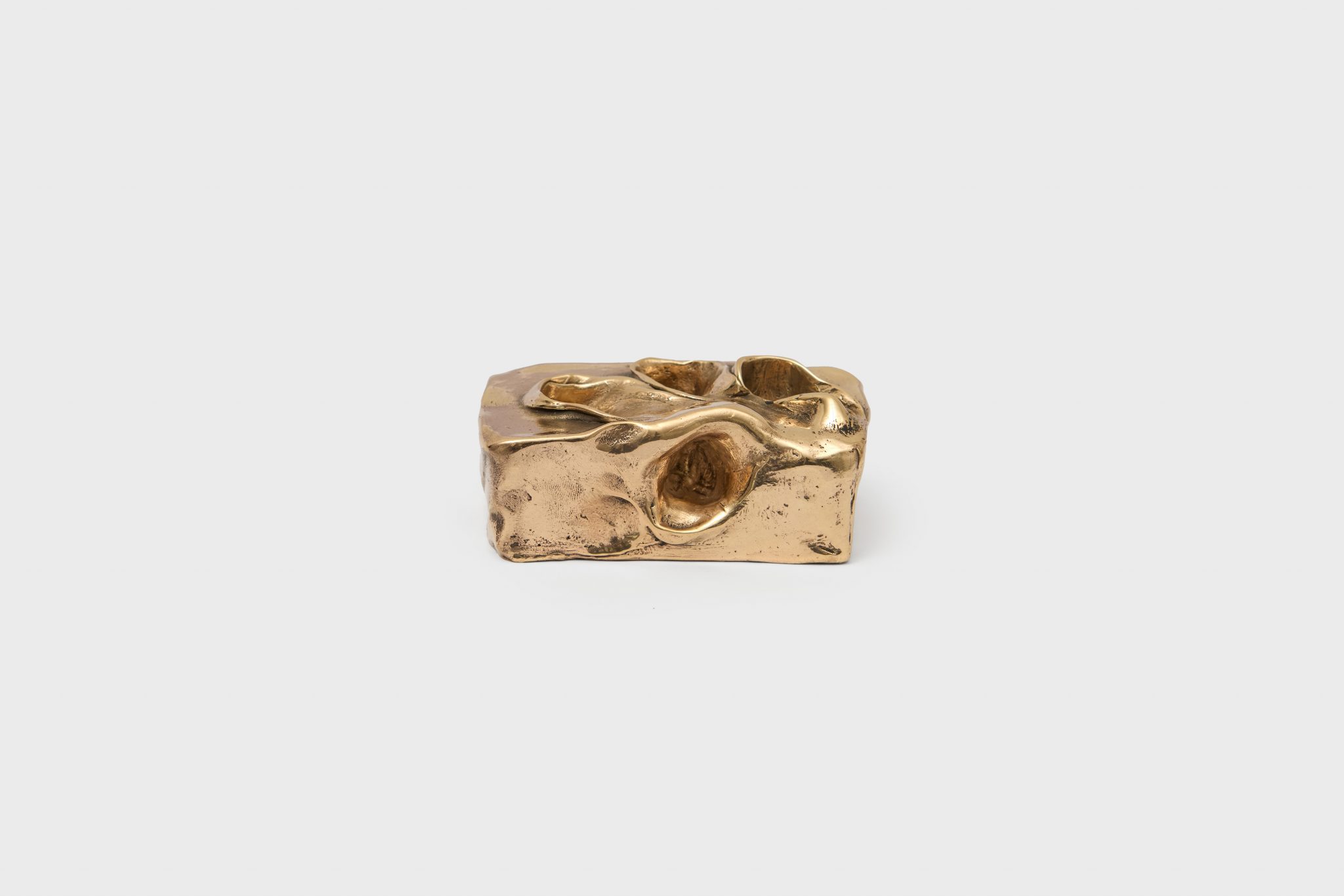
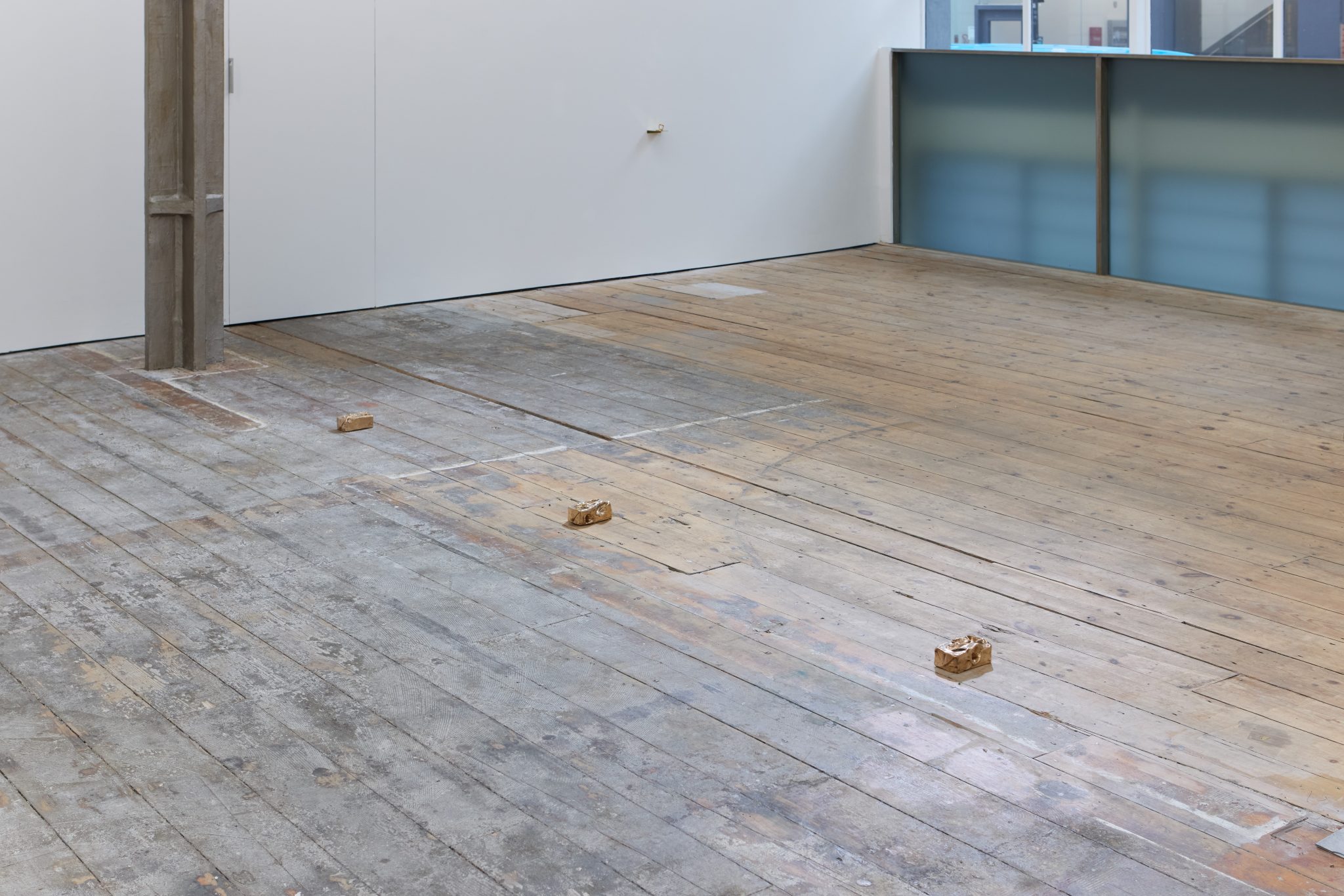
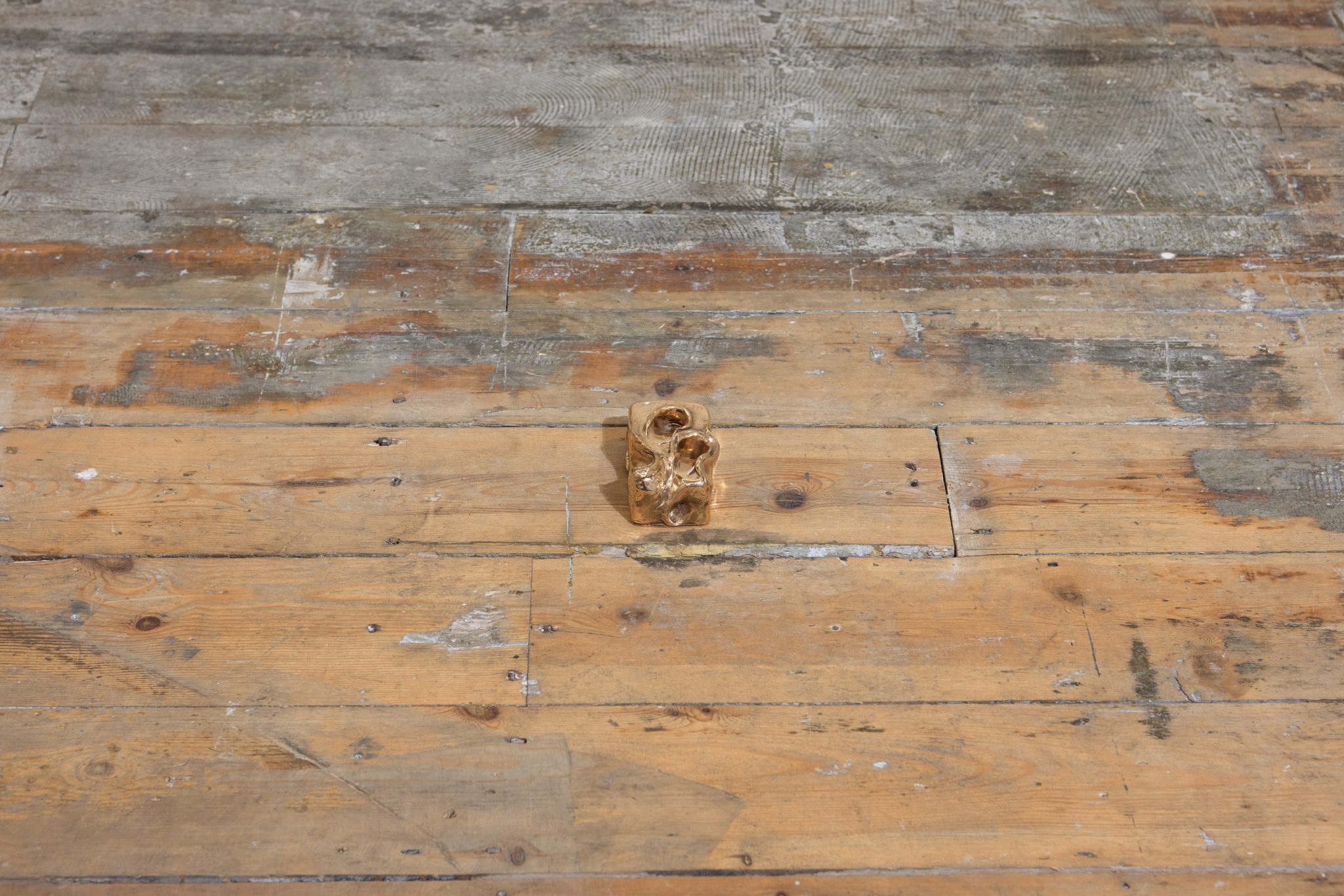
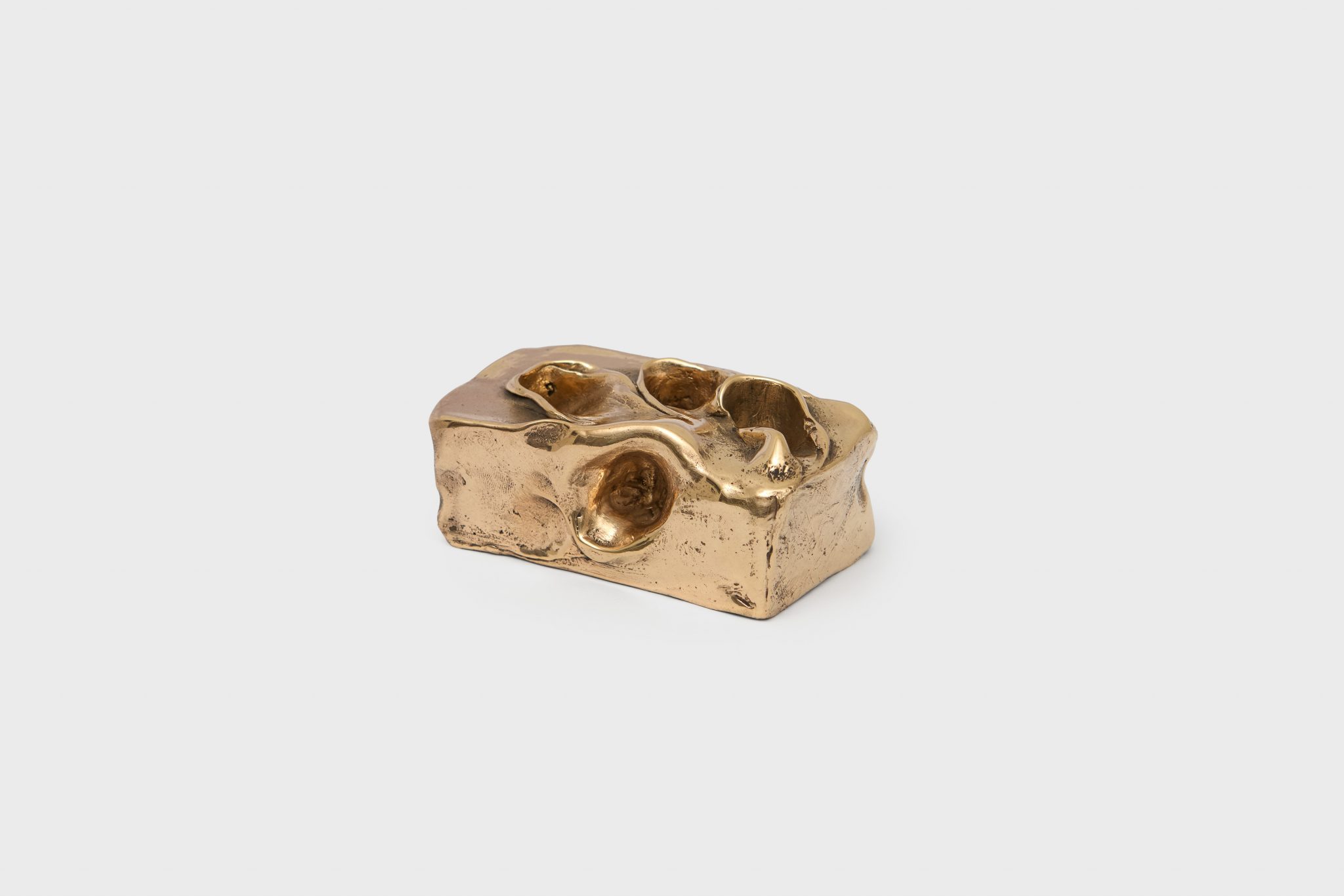
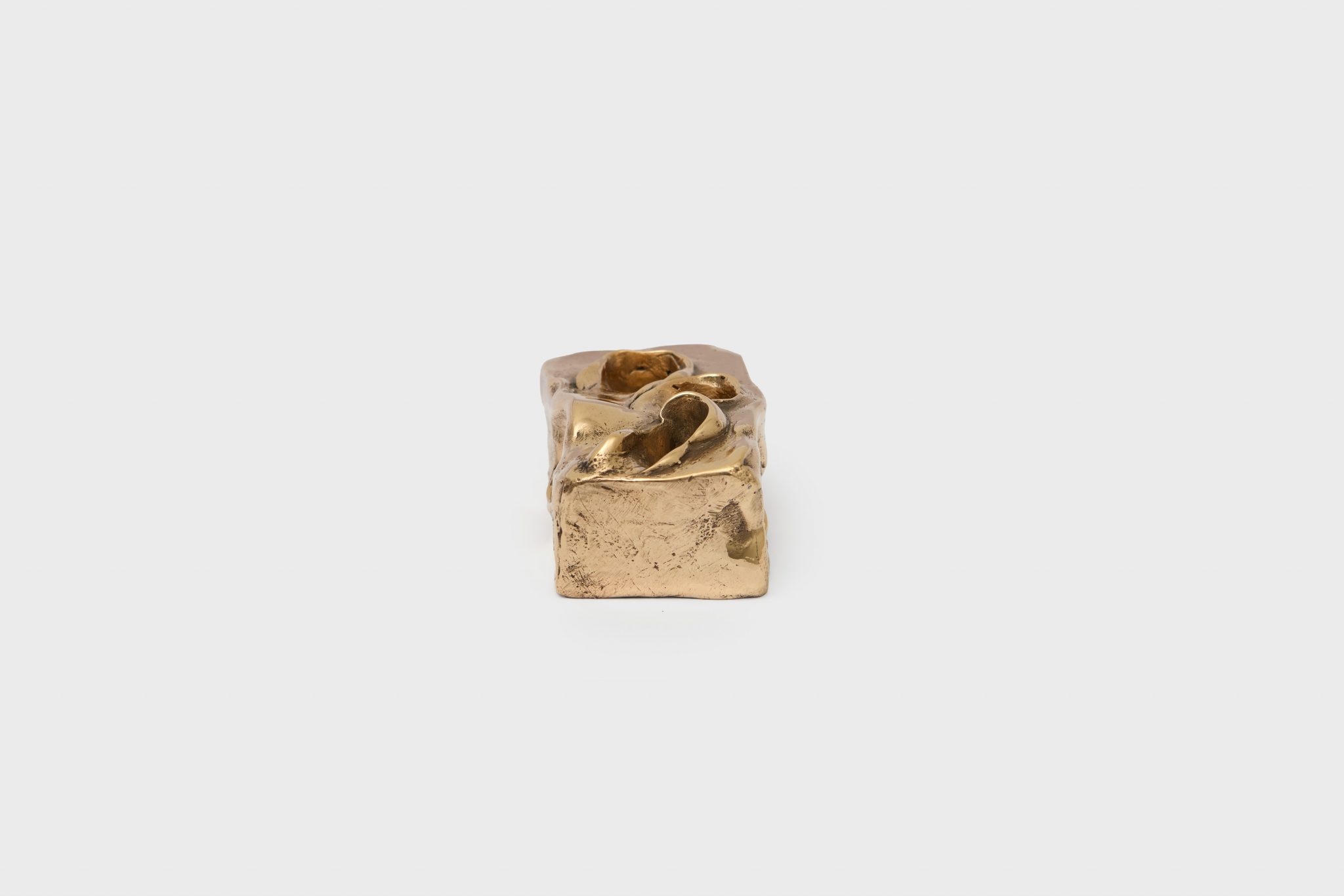
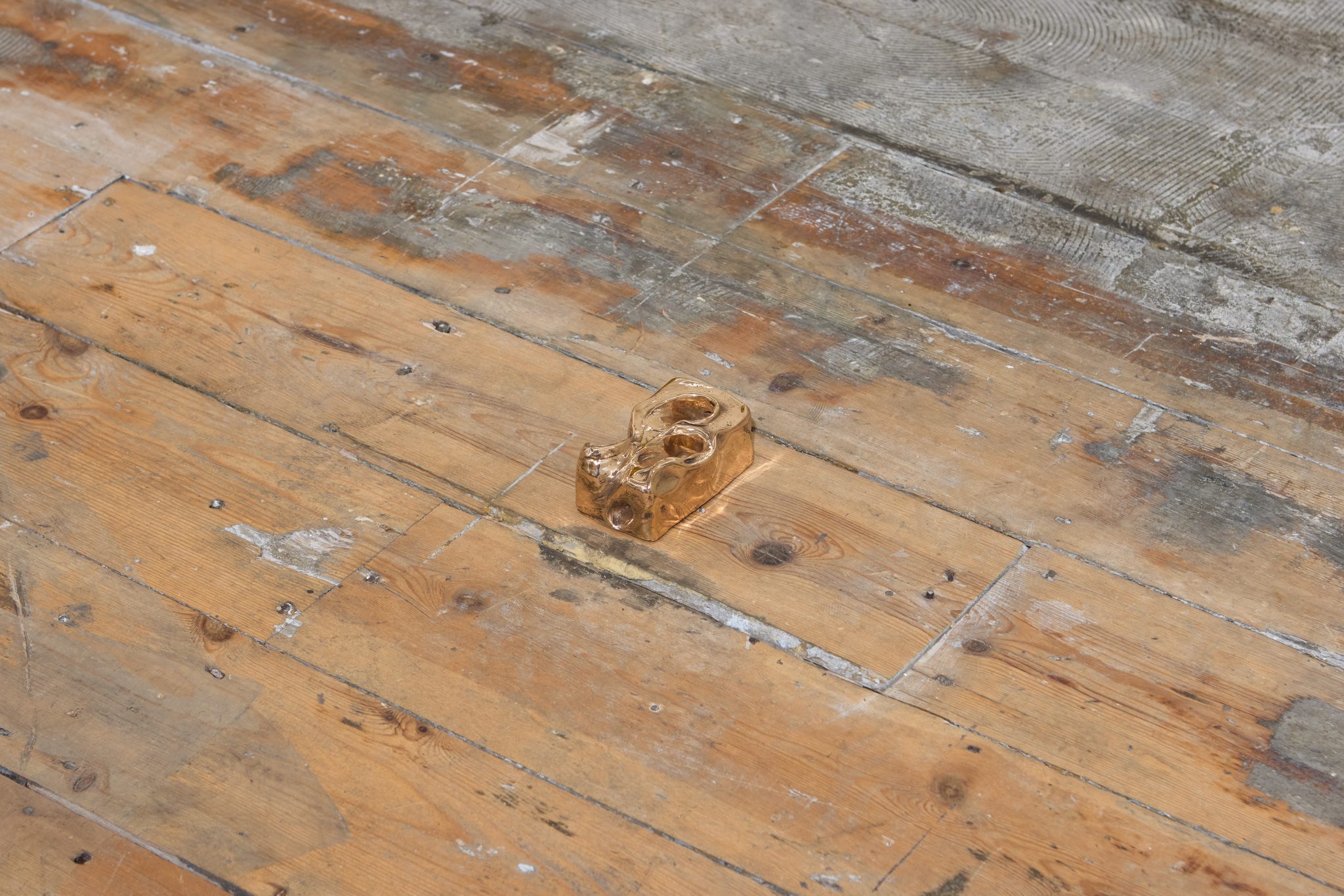
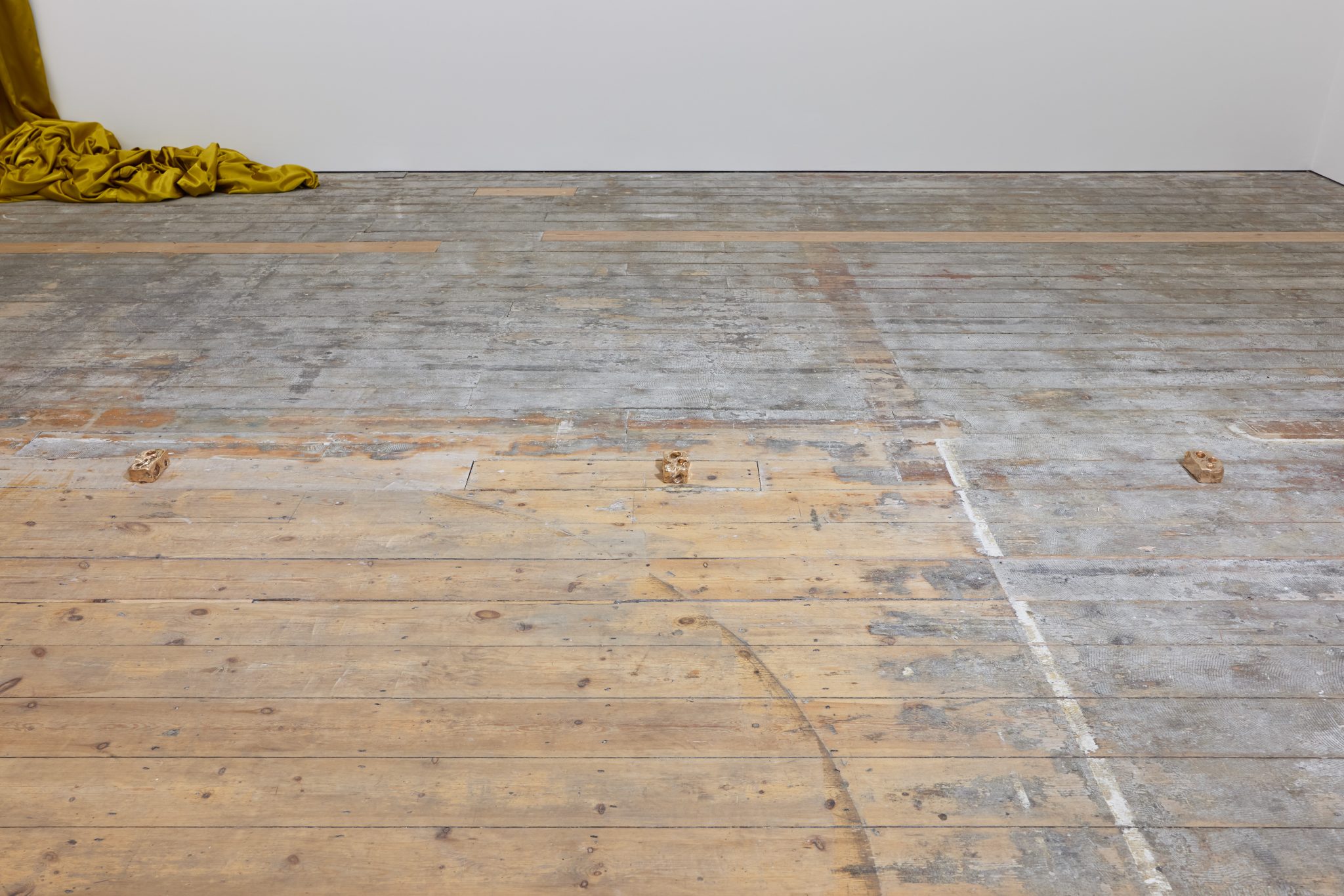
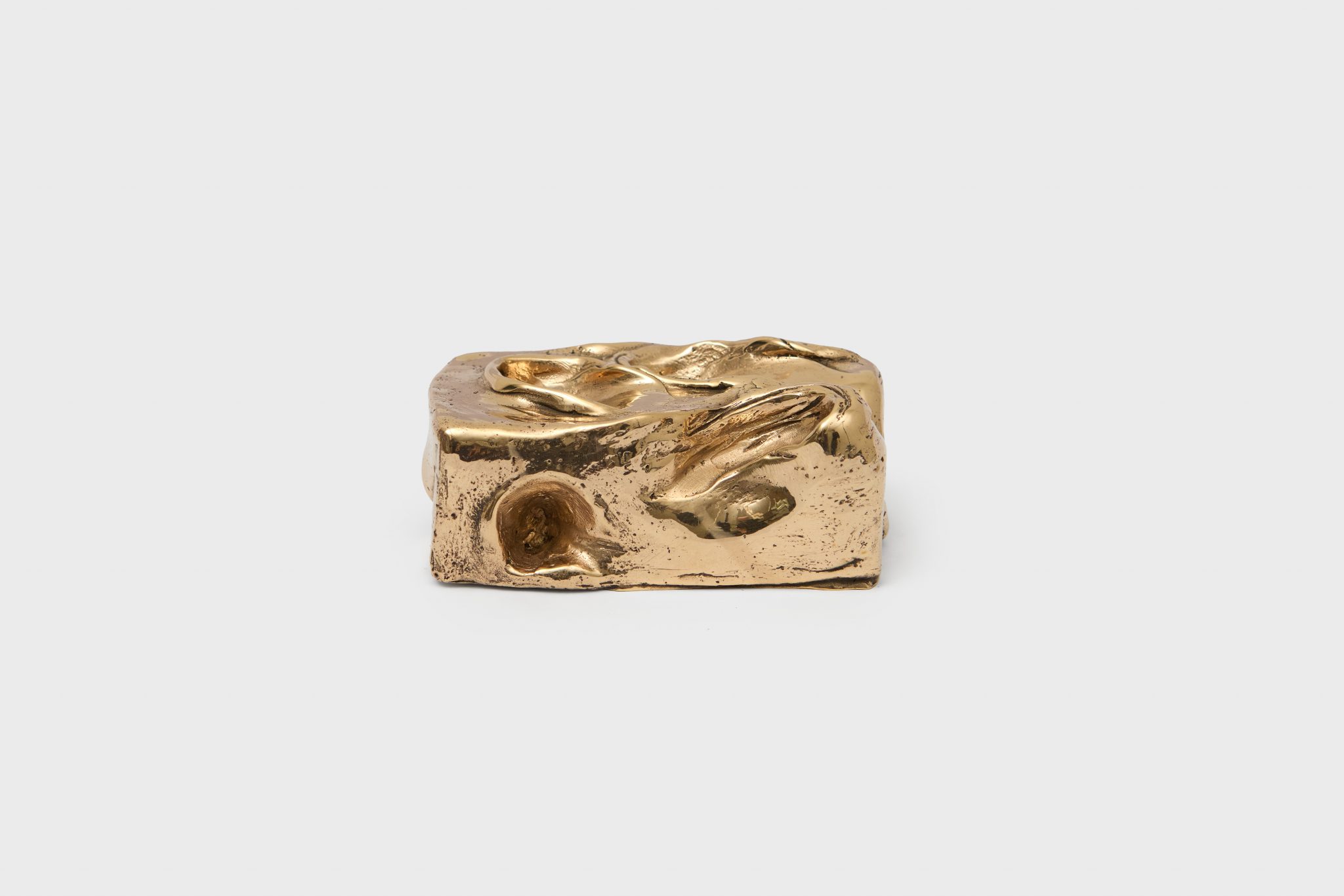
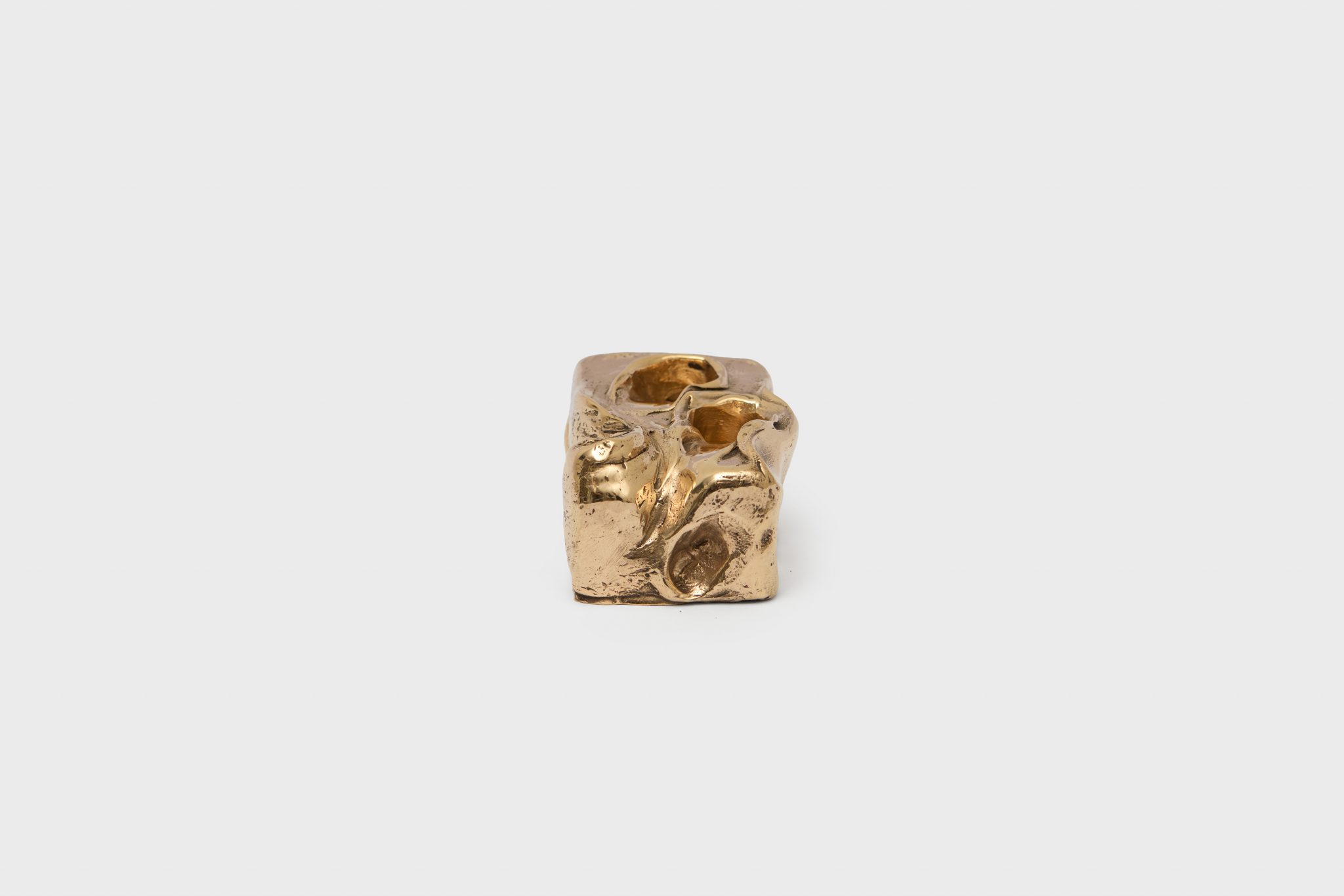
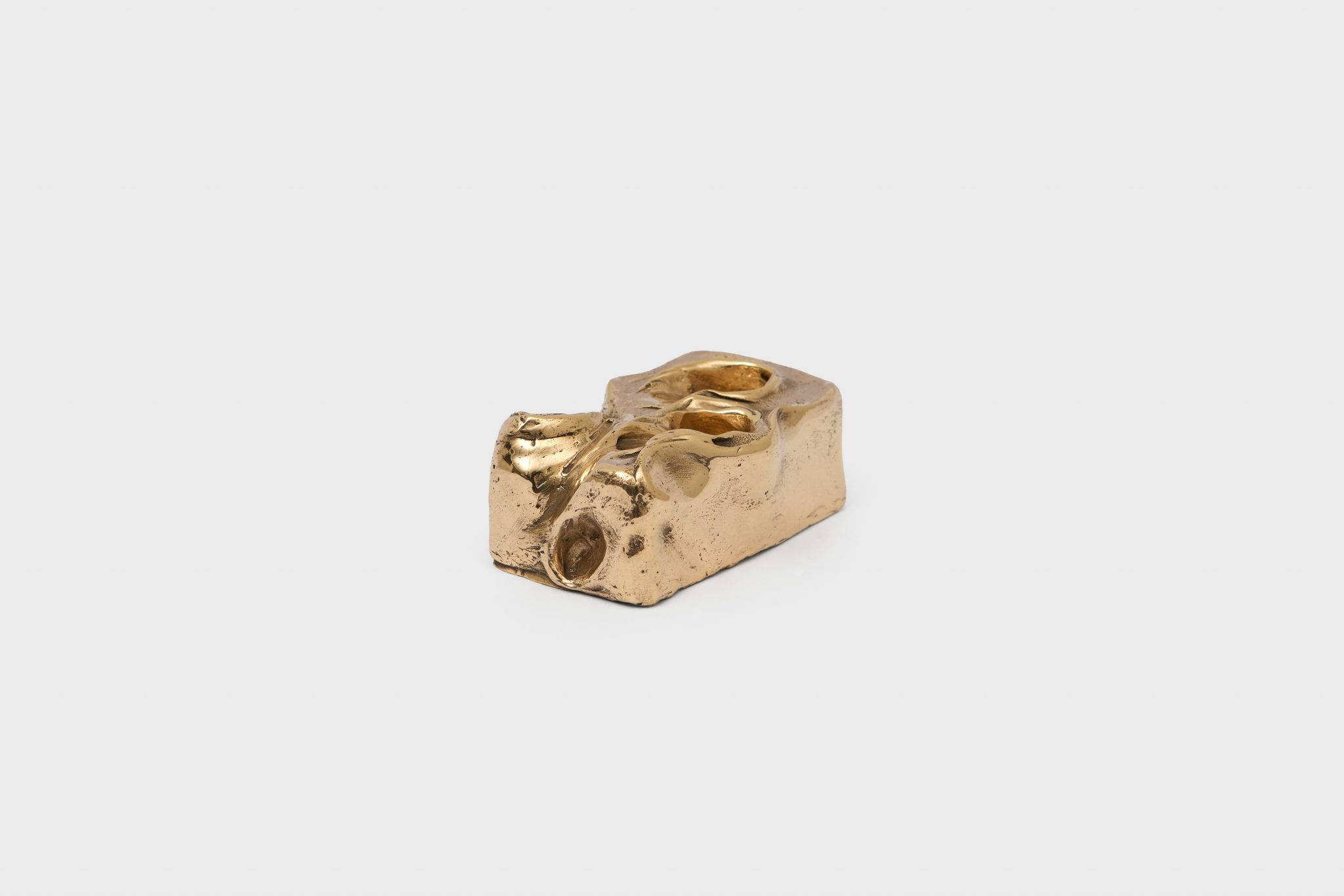
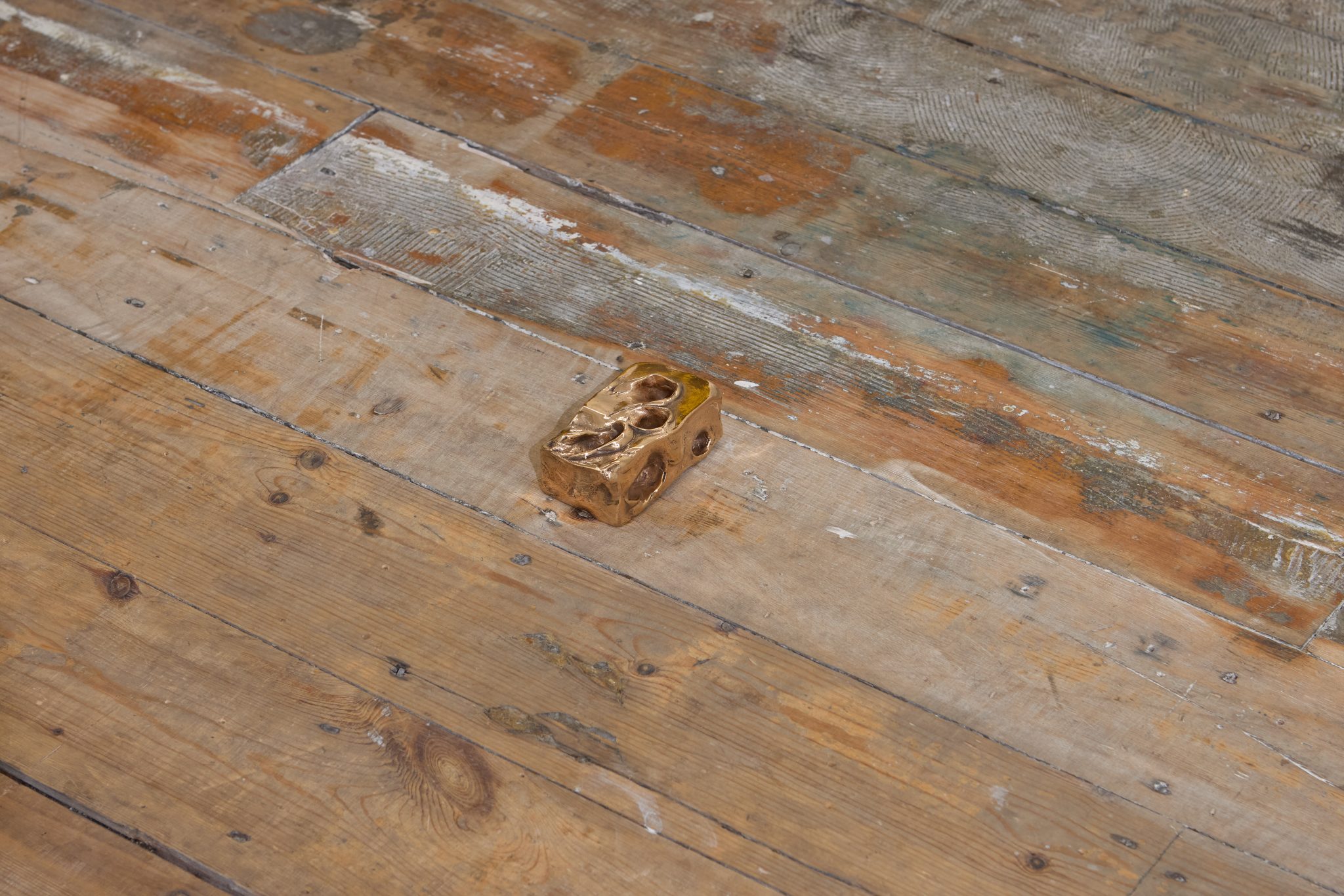
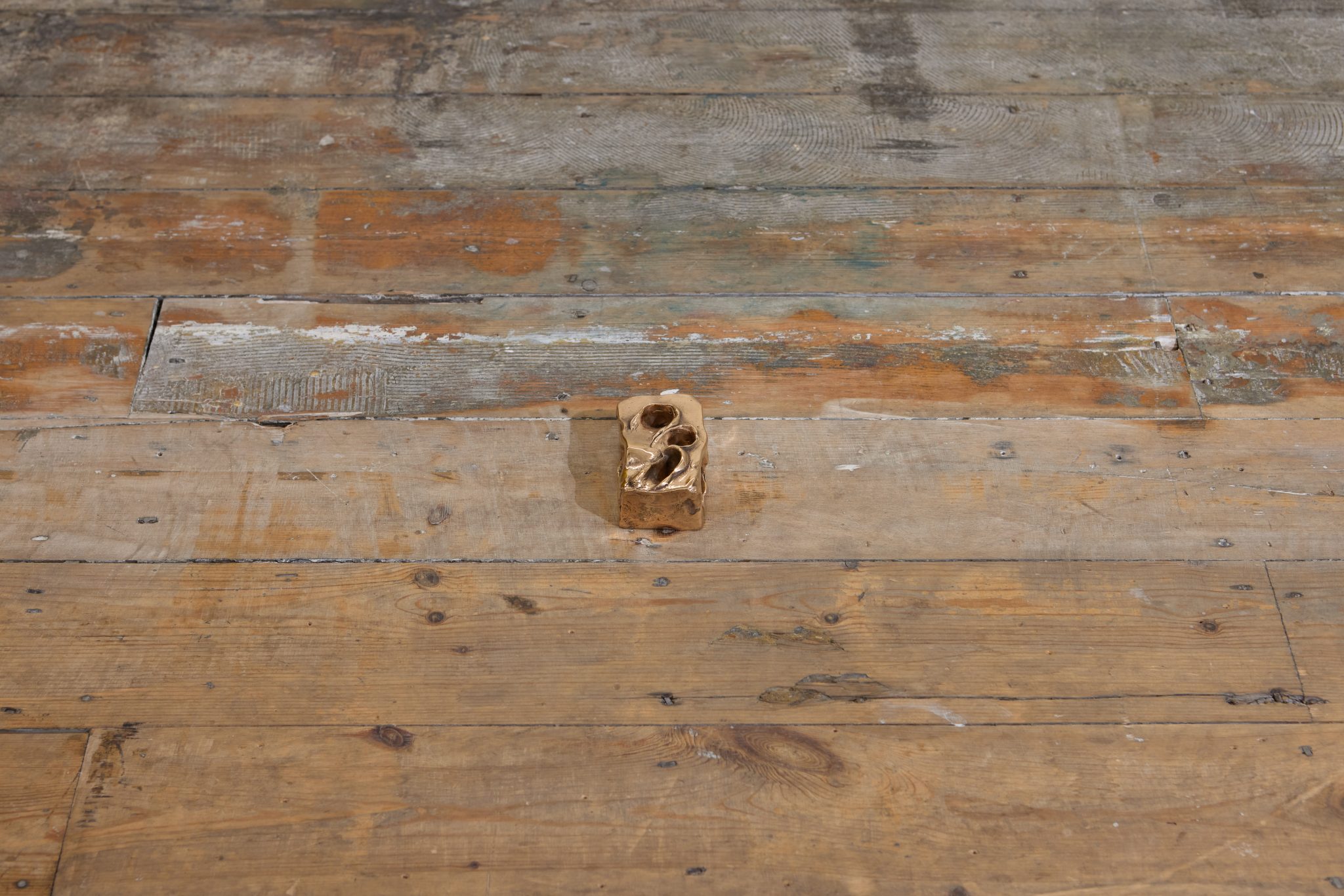
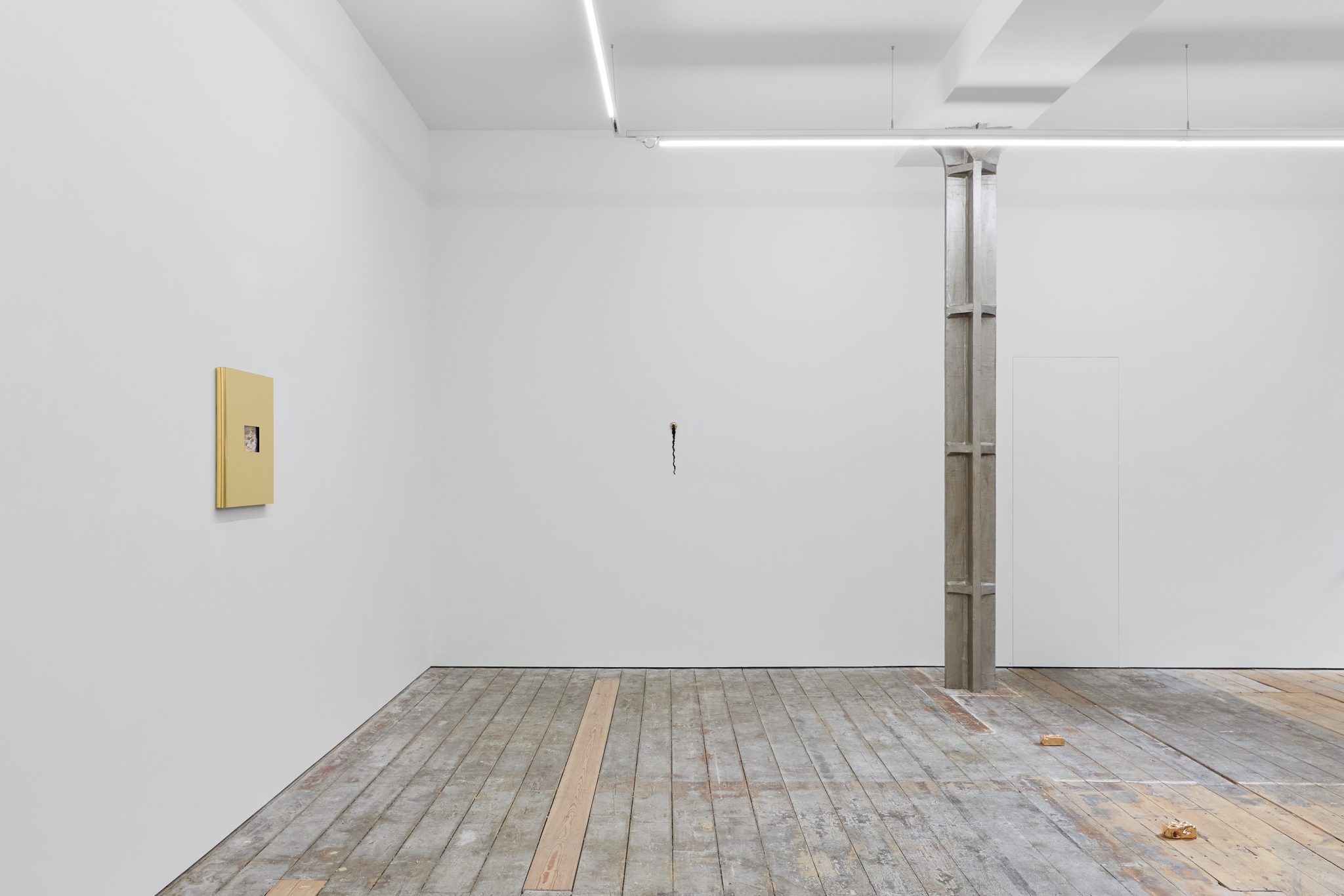
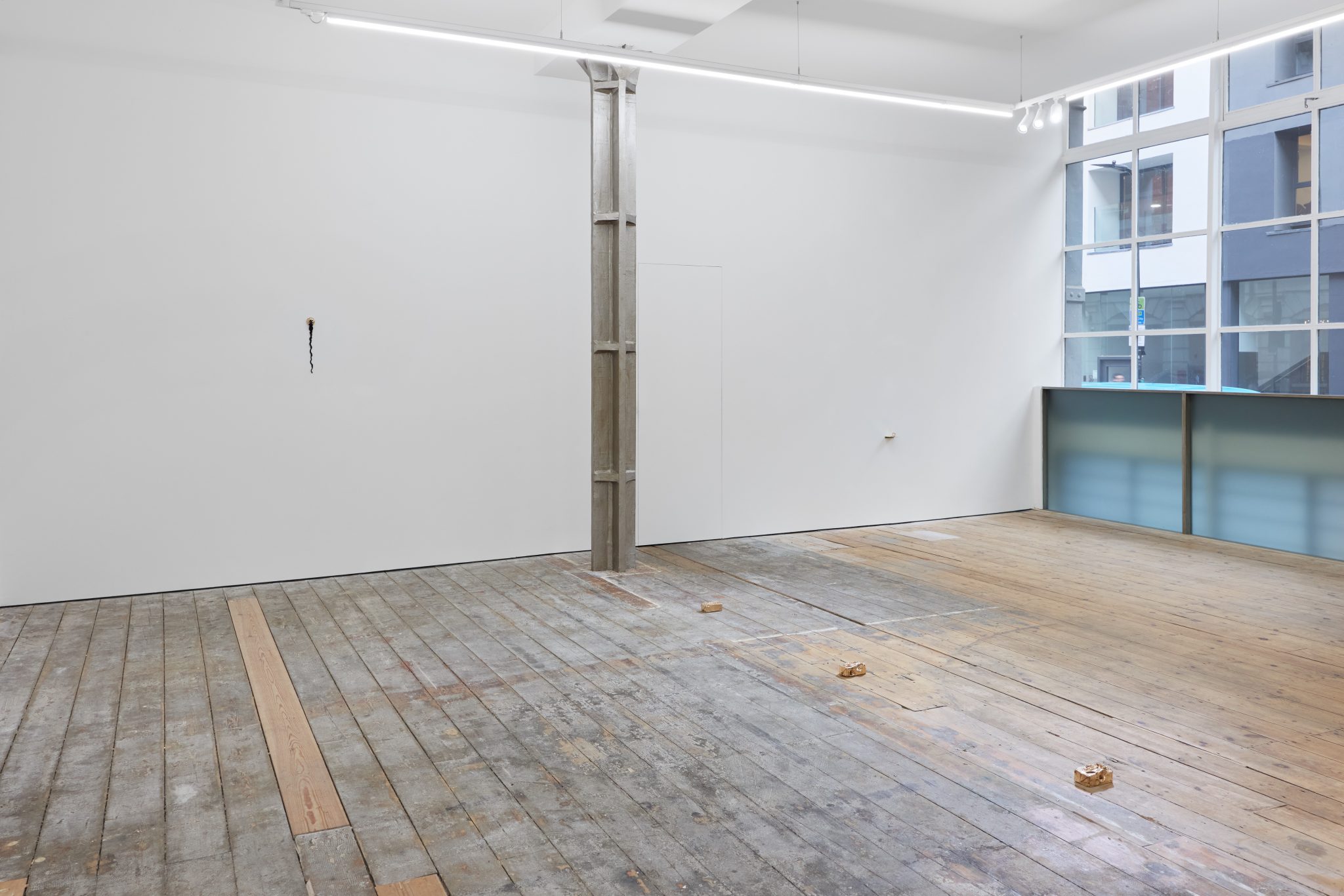
These tensions are further explored in a series of sculptures operating as relics of performative gestures and organic processes. On the floor, three bronze sculptures of butter blocks monumentalise an otherwise ephemeral material that functions within the exhibition as both muse and surrogate body: a stand-in for softness, interiority, and vulnerability. As a foodstuff historically associated with abundance – ‘the fat of the land’ –, it also carries dense socio-economic and cultural connotations. Its production – from milk to churned solid – signals early technologies of transformation; its melting and re-solidification index processes of consumption, digestion, and waste. In Williams’ hands, butter becomes a charged material through which she examines how commodities mediate intimacy, appetite, and value.
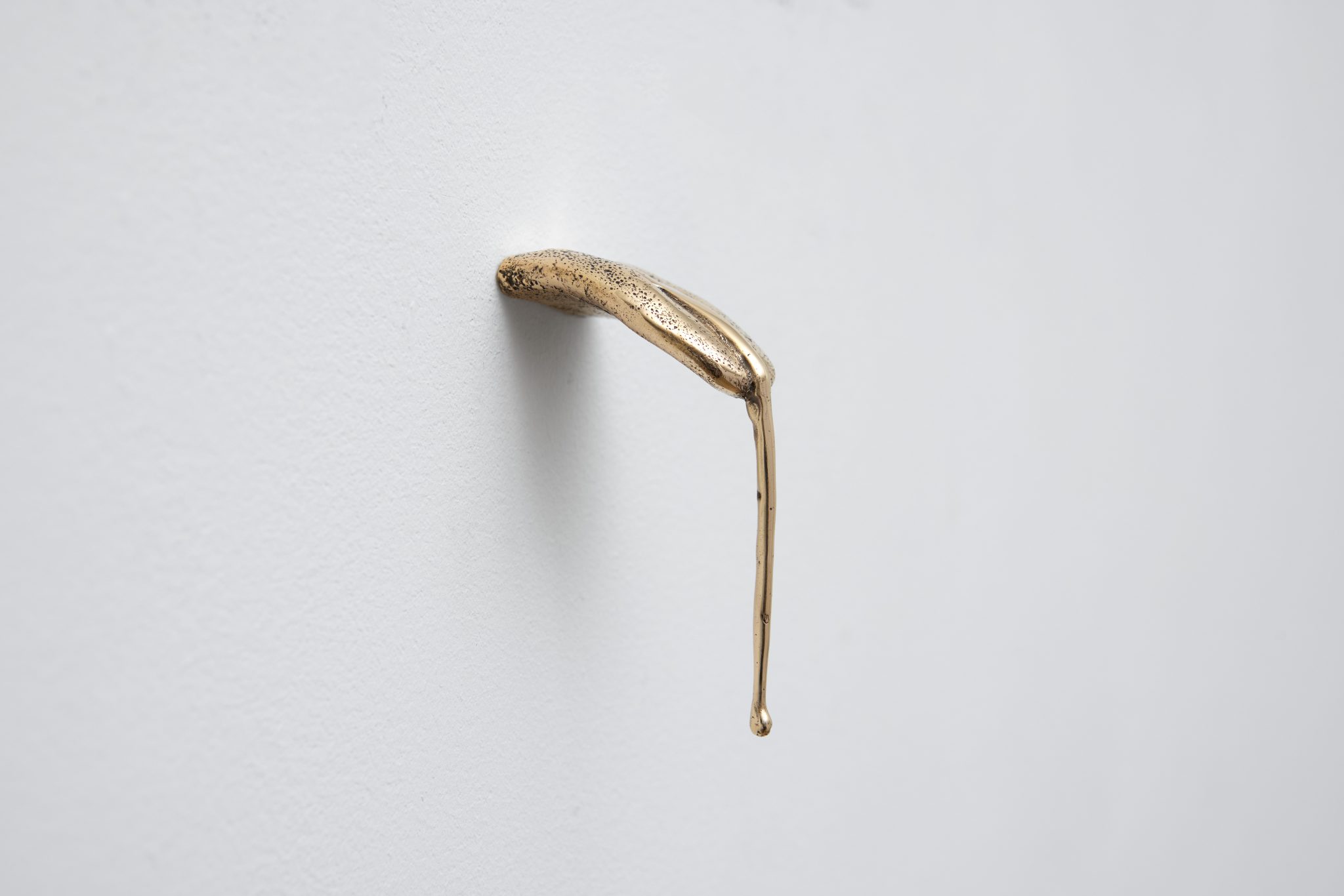
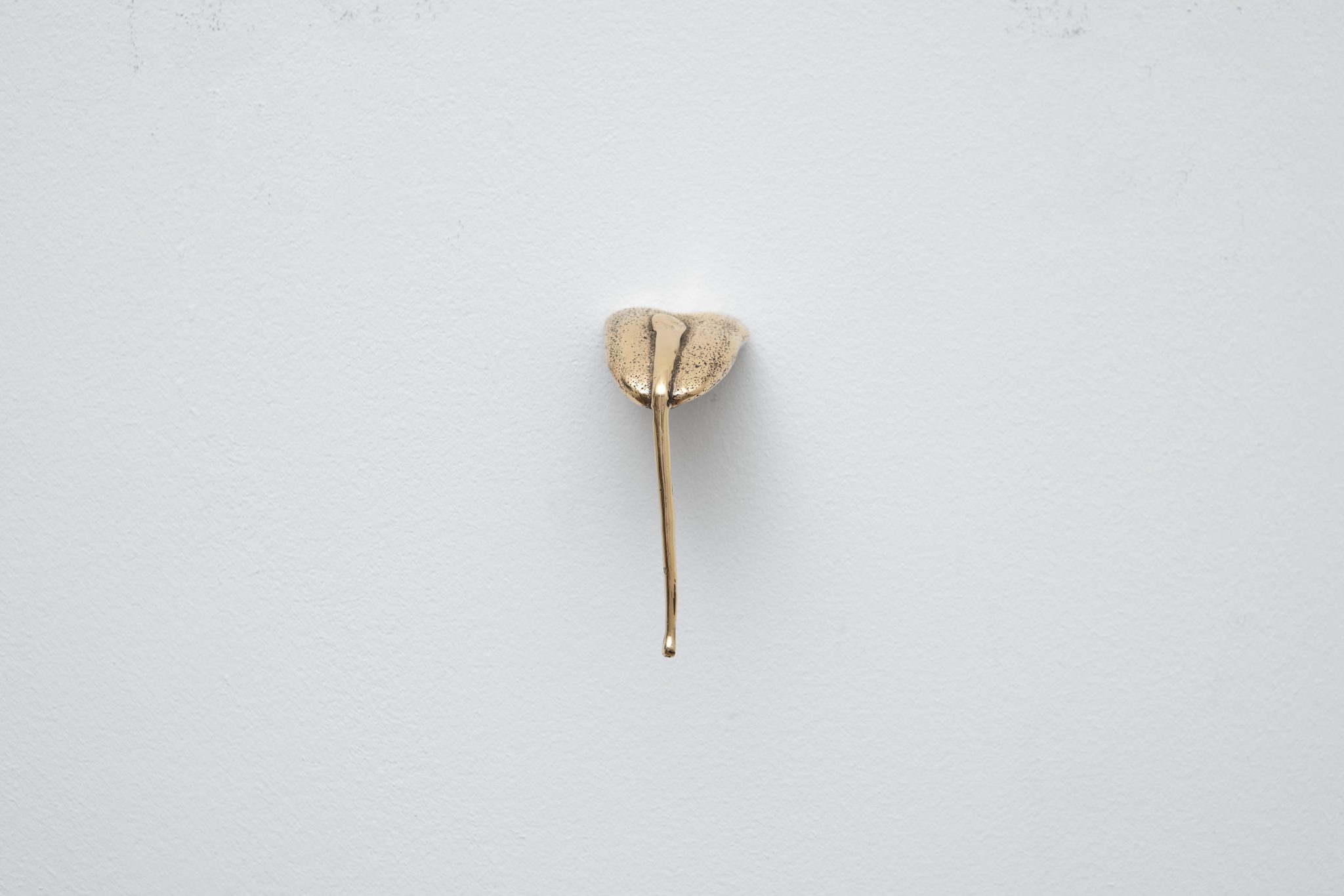
By casting impressions and gestures in bronze, Williams converts transient acts of touch into relic-like objects that also look like gold bars. Here, bronze – with its historical associations of permanence and commemoration – functions ambivalently, at once flashy and pop-inflected, yet suggestive of memorial and fetish. What was once soft and perishable is rendered durable, sanctified.
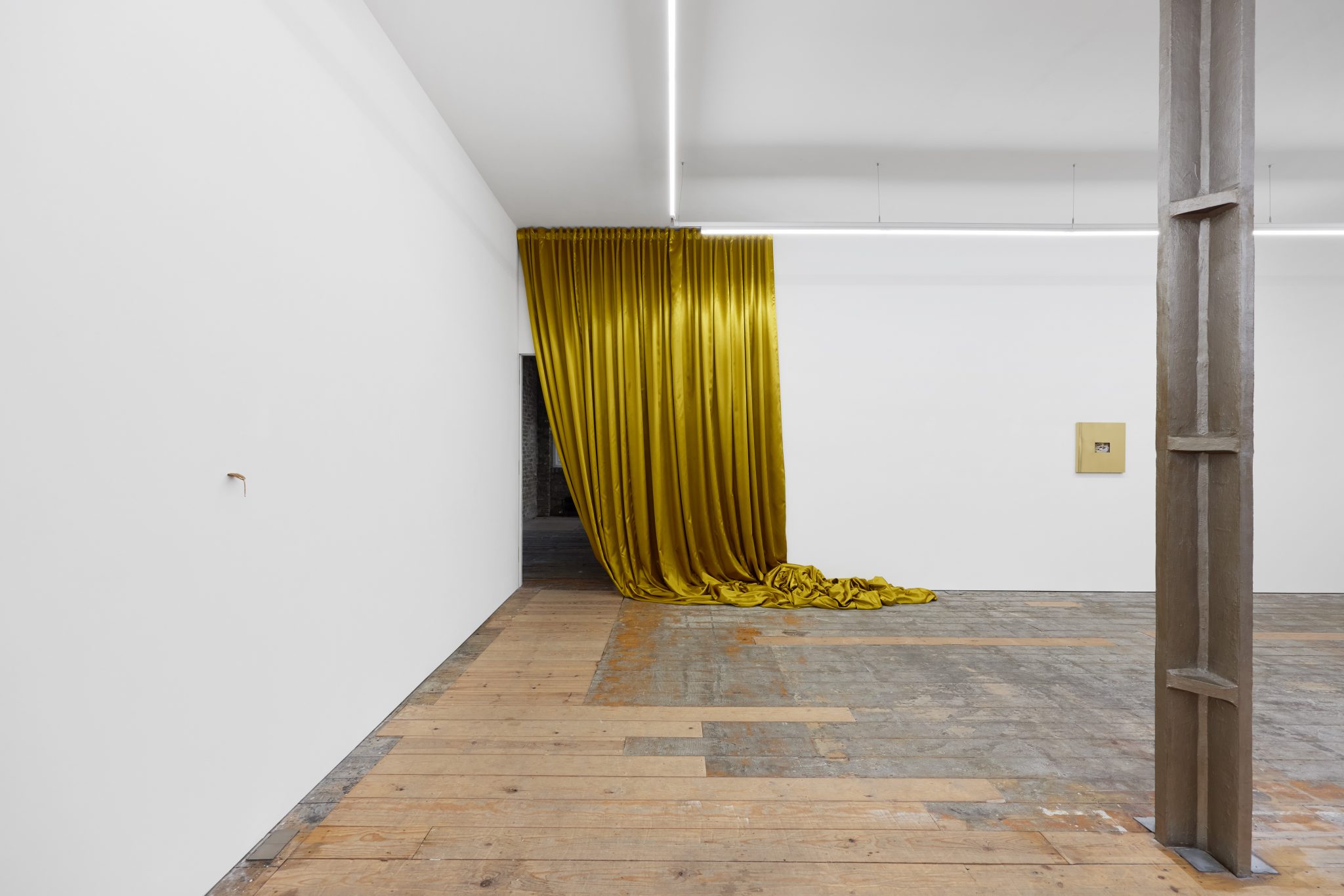
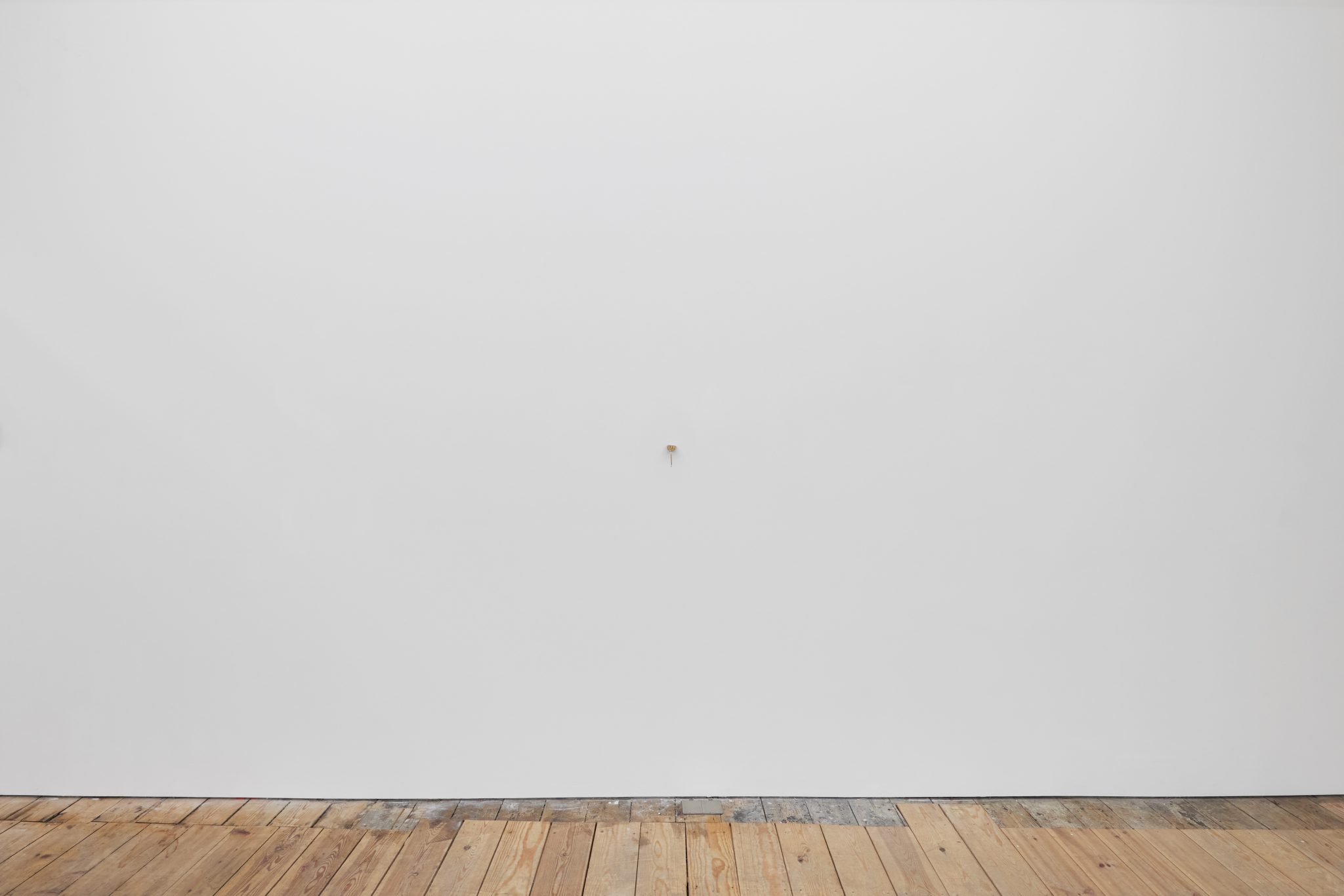
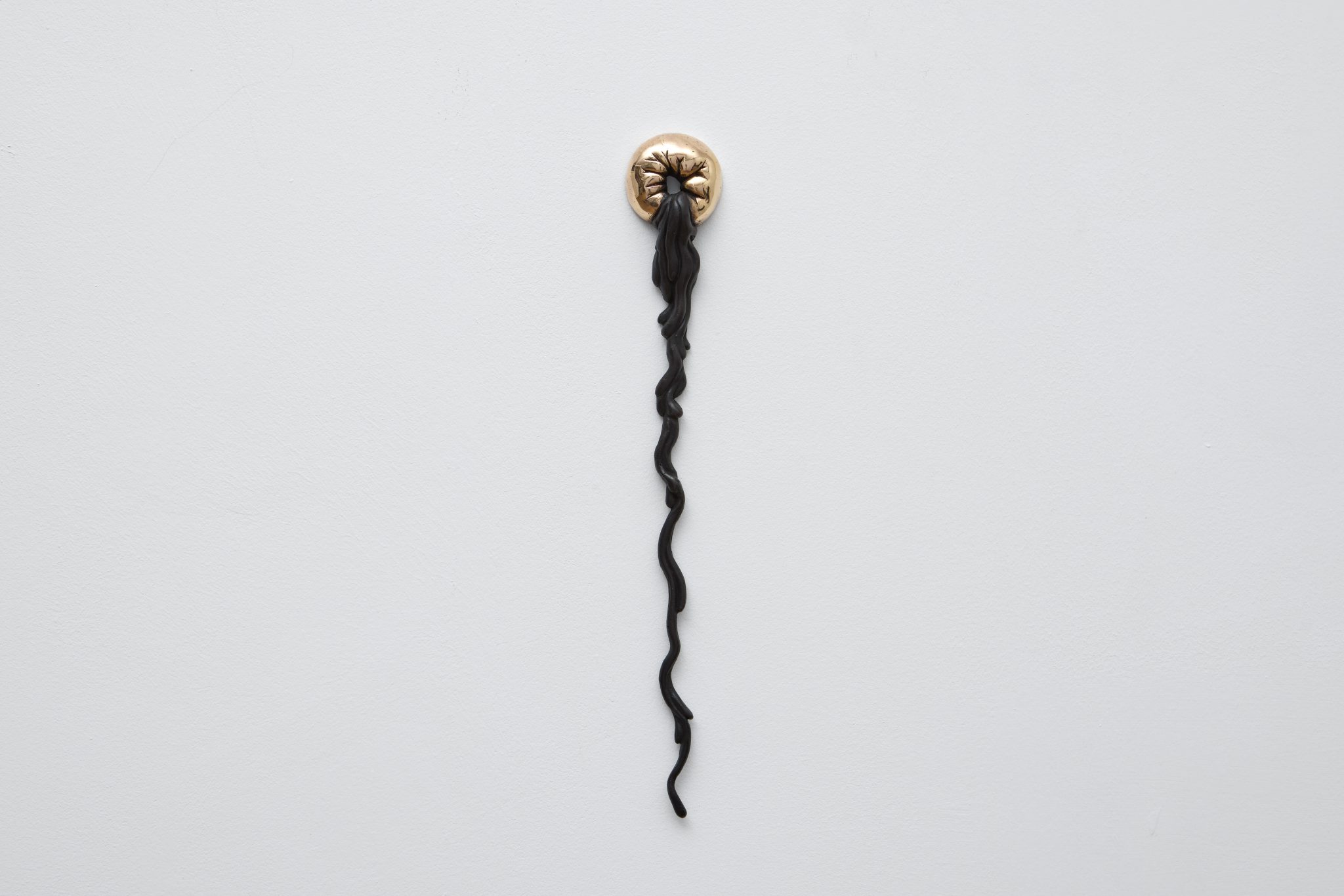
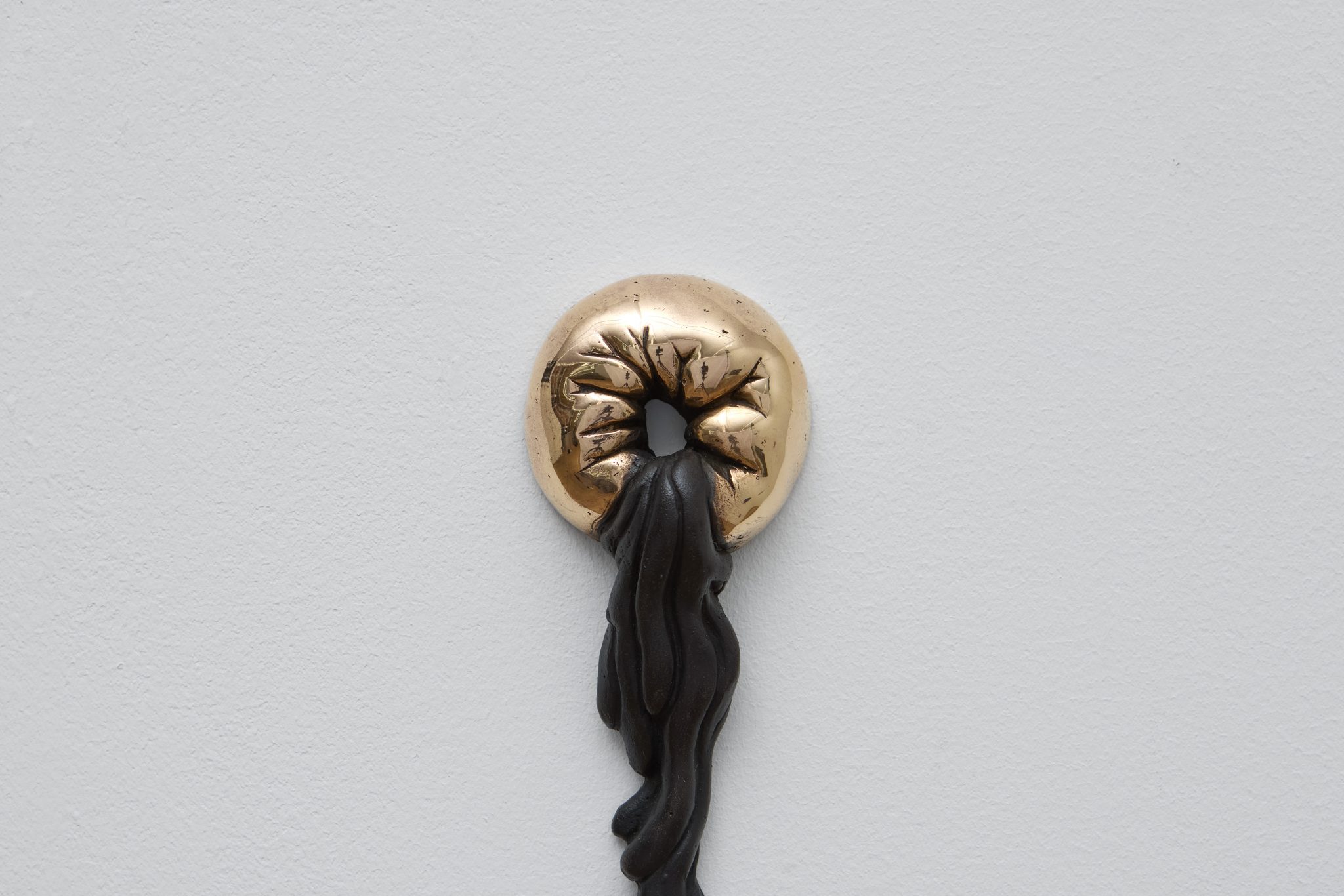
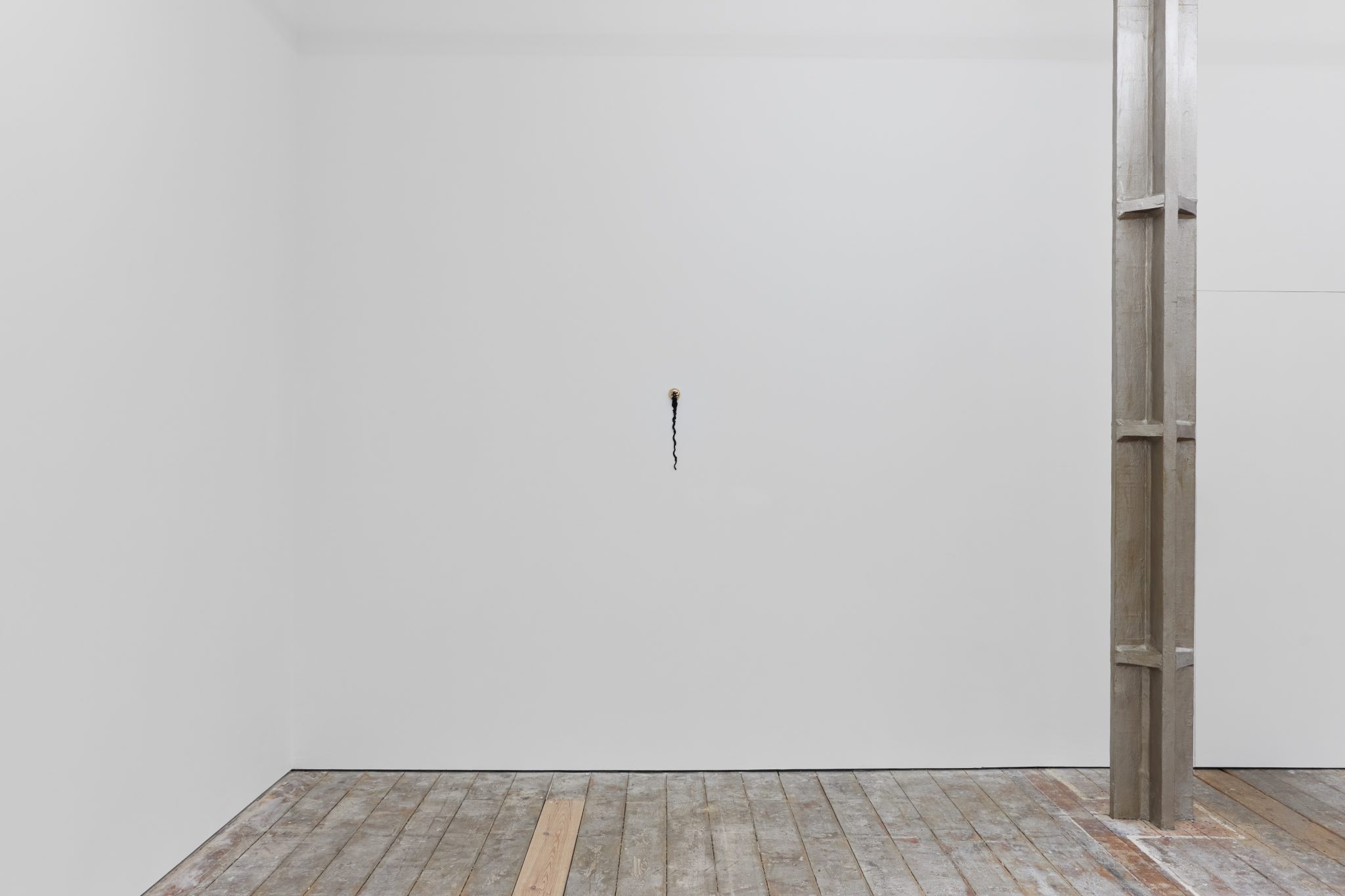
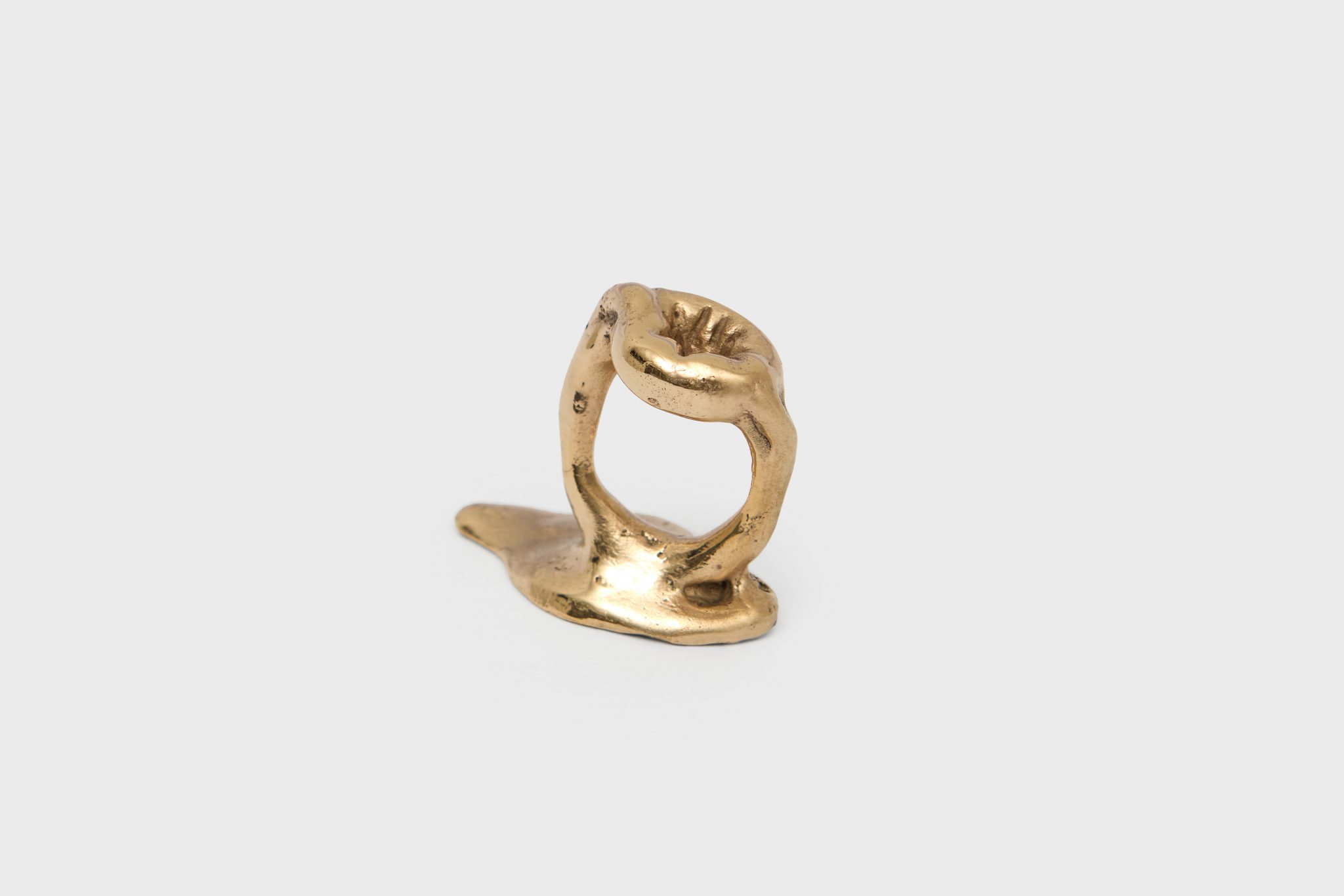
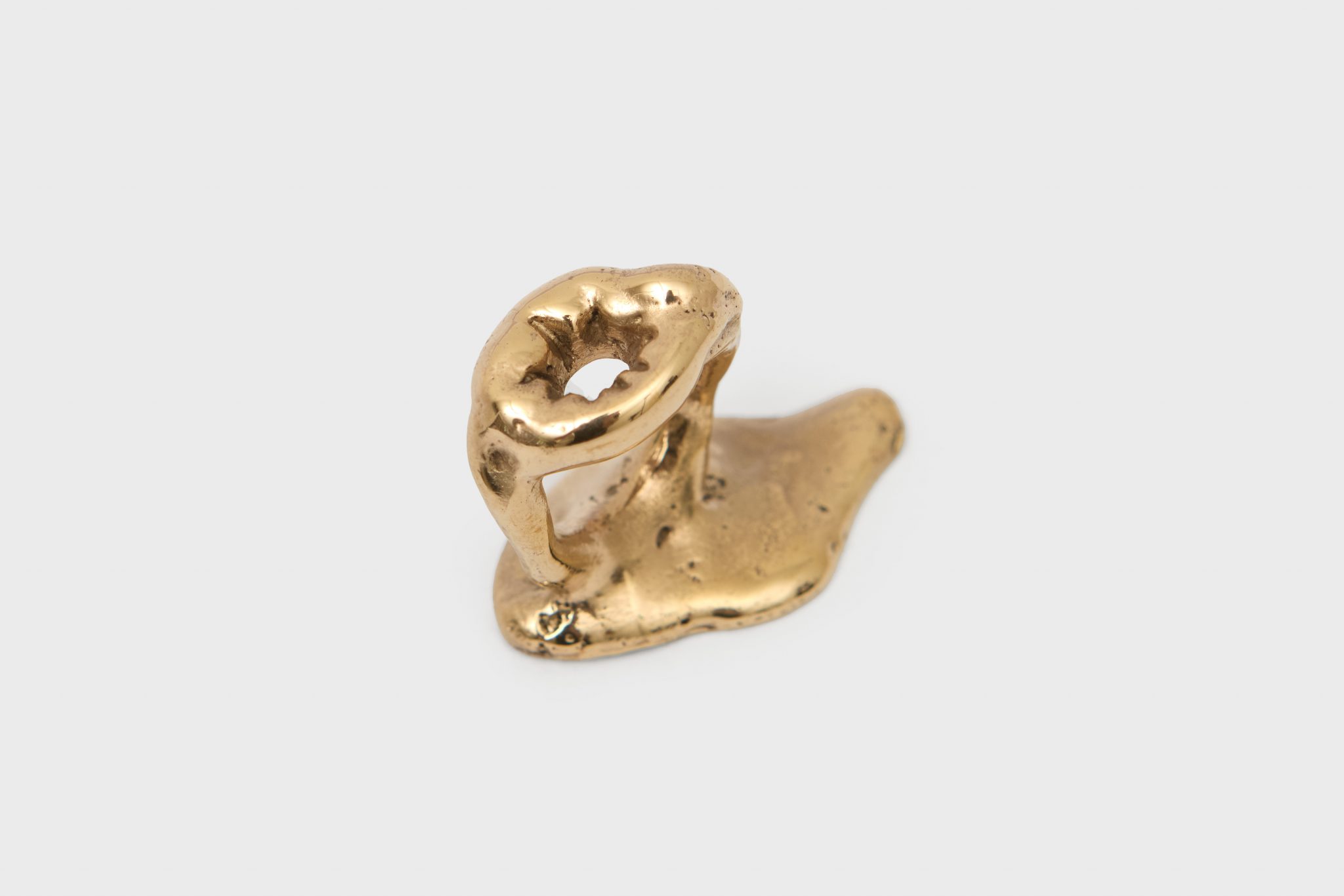
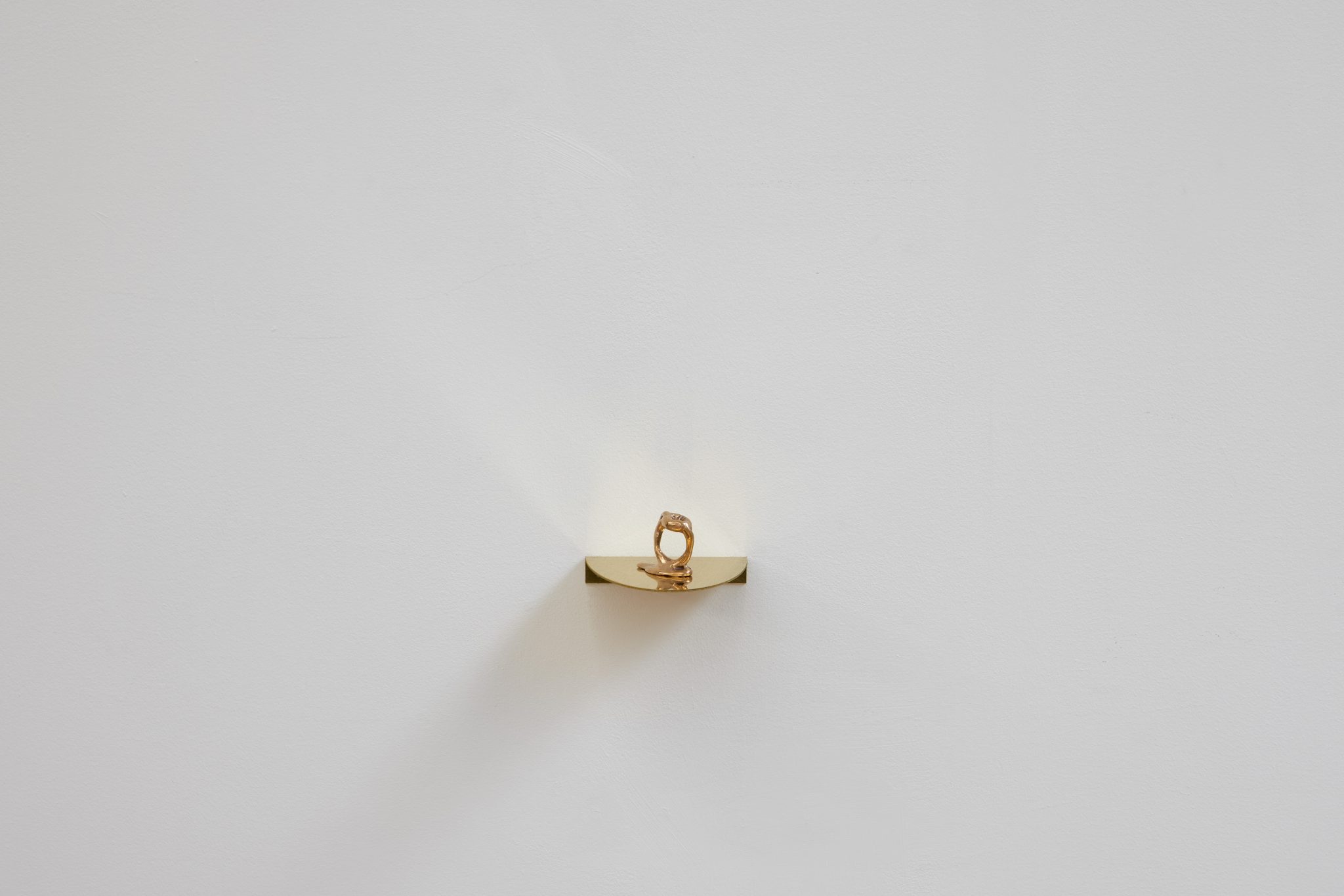
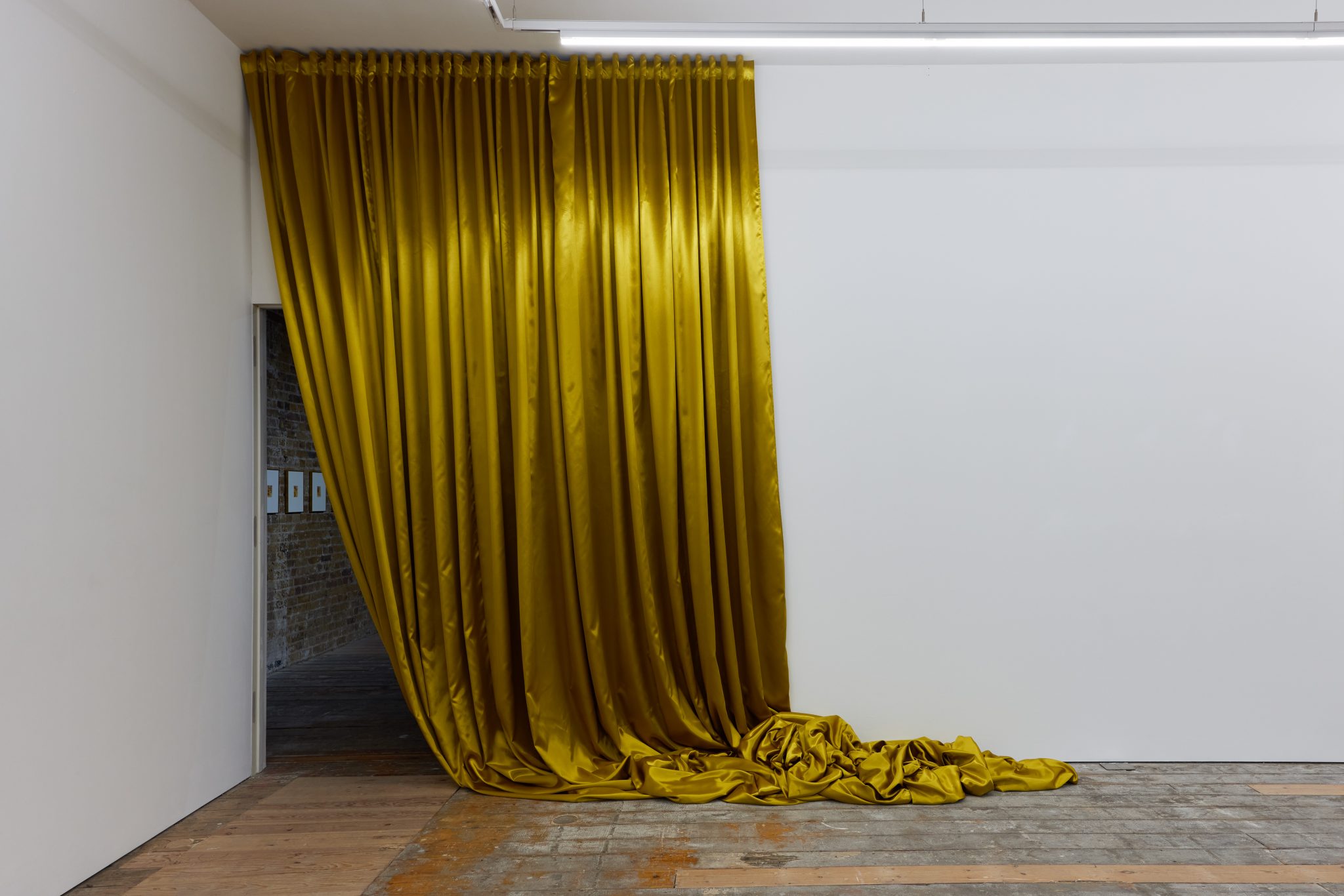
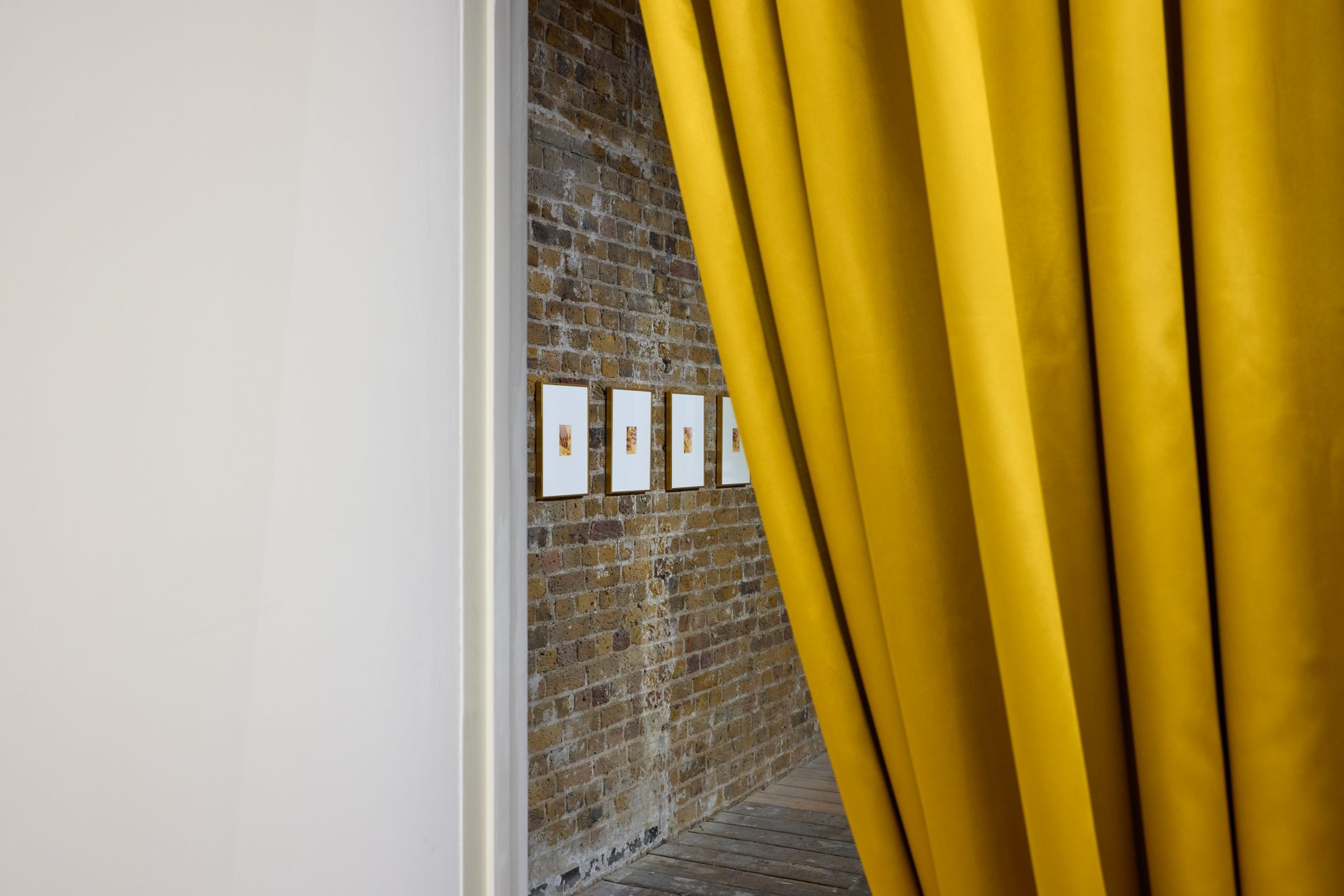
The exhibition thus fluctuates between opulence and austerity, as well as between the erotic and the grotesque. Teasing the fetishistic undertones of fabric and the softness of satin, a huge curtain that may also look like a giant section of blonde hair plays, like the rest of the exhibition, with the chromatic proximity between gold and piss. The remnants of a theatrical scene petrified in time, the curtain accompanies wall sculptures such as Sacred Spittle, which shows a forever fixated dribbling tongue, or Petro Lust (Oozing O), a bronze sculpture taking the shape of a ring or rondelle, resembling something between a perforated coin and an anus.
Beyond their sexual (and scatological) dimensions, the exuberance staged in Williams’ work evokes Georges Bataille’s theorisation of expenditure in The Accursed Share (1949), in which he argues that all economic systems are structured not solely by production and utility but by the necessity of surplus and its eventual dissipation. For Bataille, luxury, sacrifice, eroticism, and even waste constitute forms of ‘unproductive expenditure’ through which societies release accumulated energy.
In Williams’ work, this surplus is sensuously displayed and violently undone, showing how excess is not solely a ritualistic outcome but a tool used to tease capitalist value and spectacle.
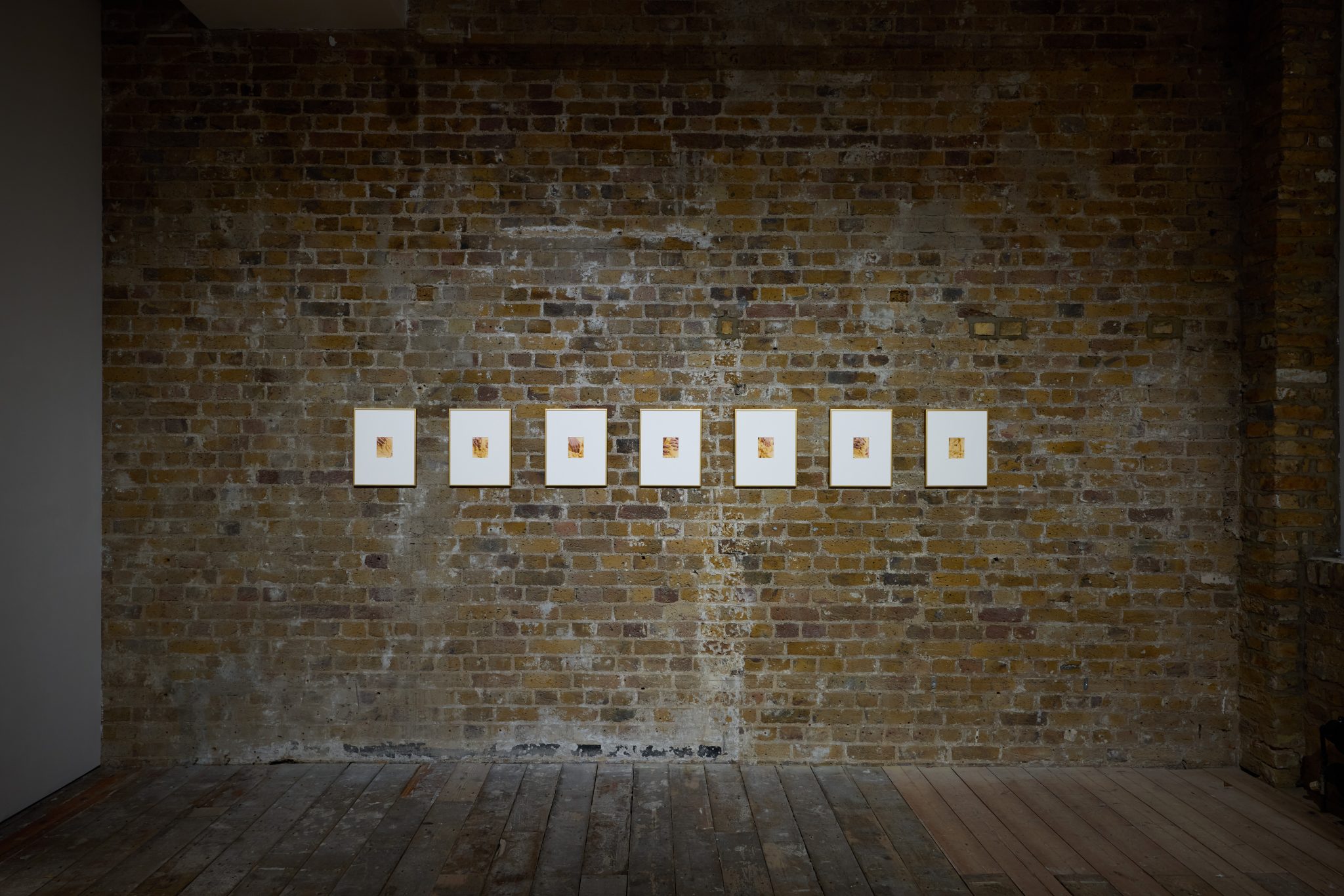
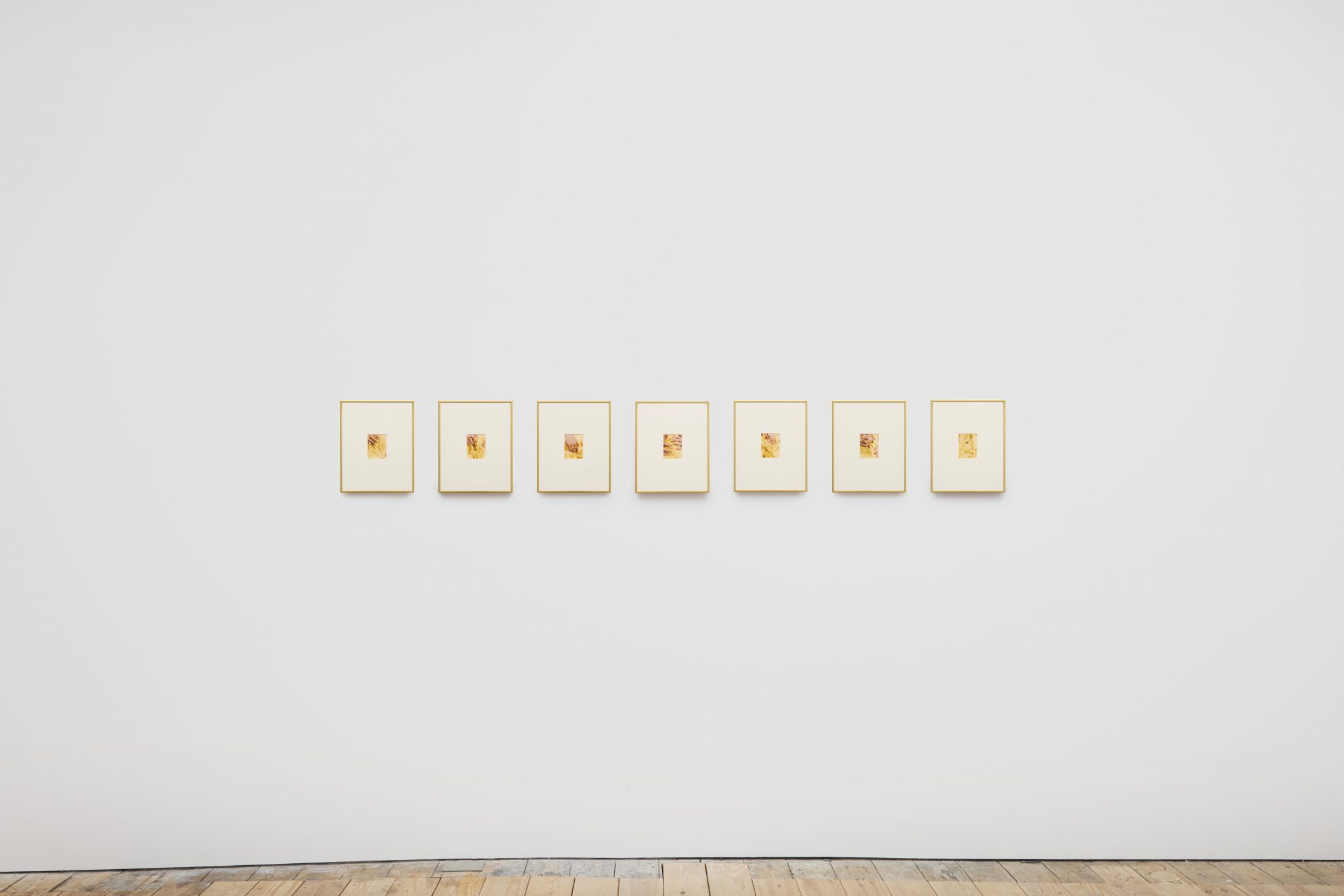
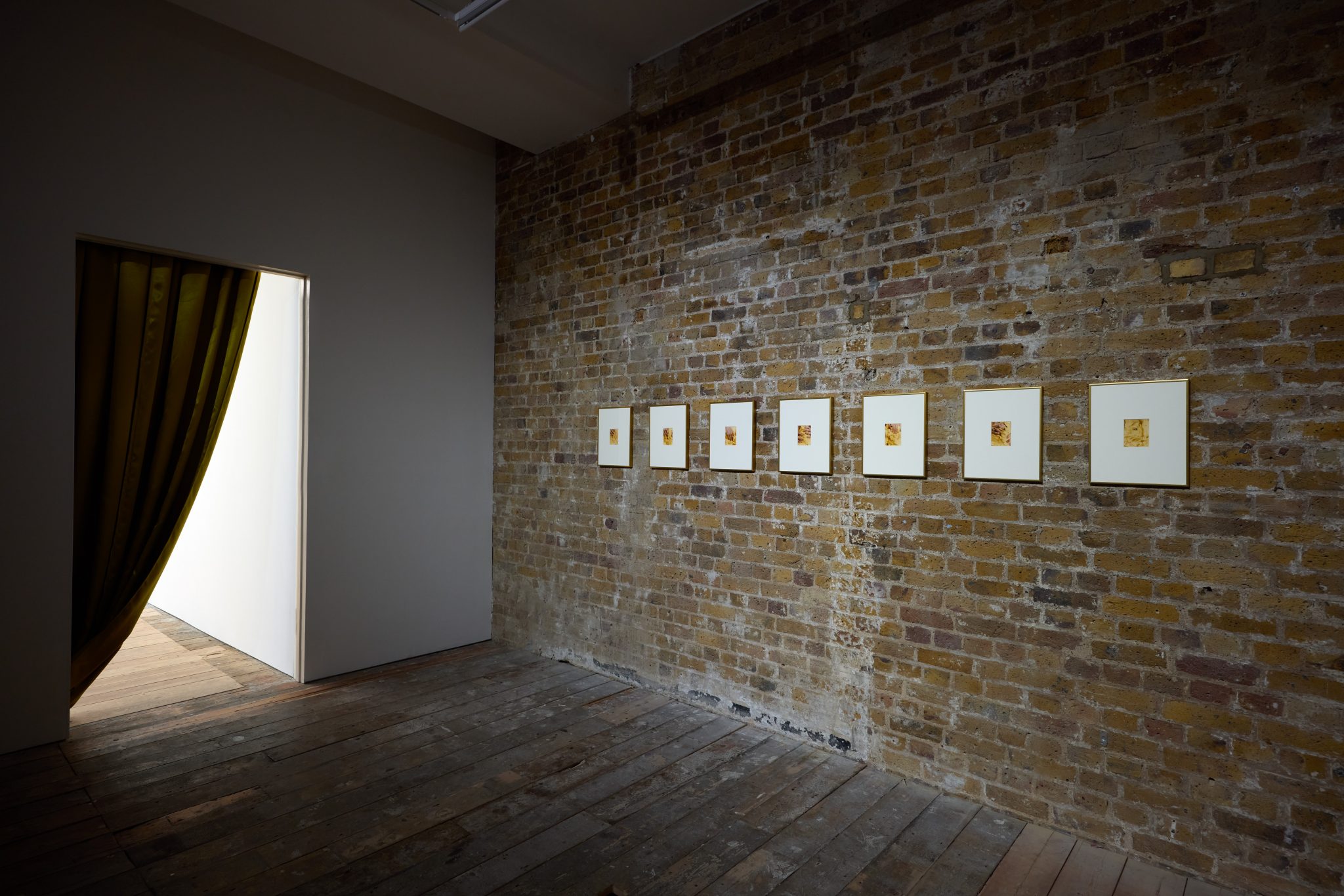
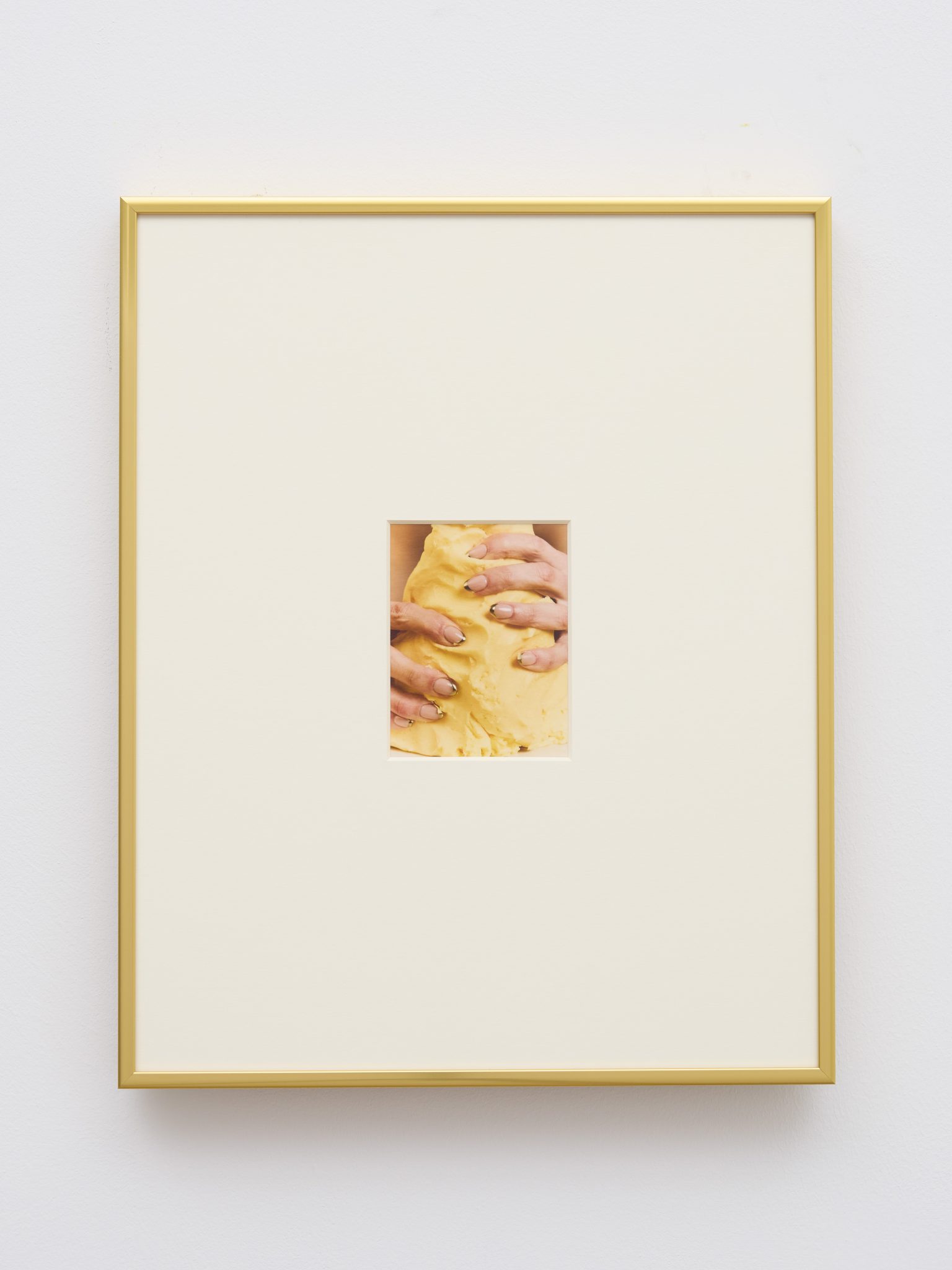
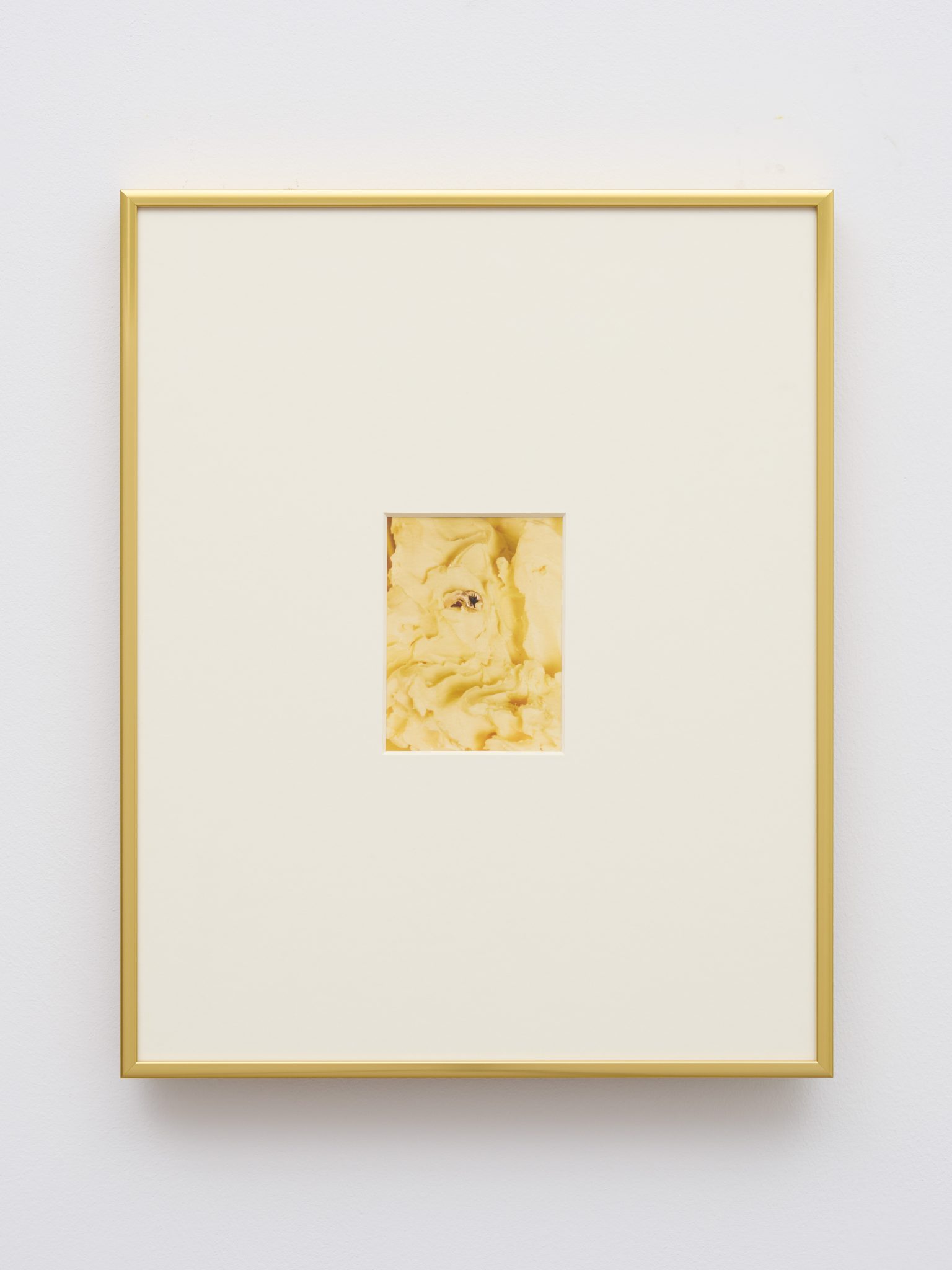
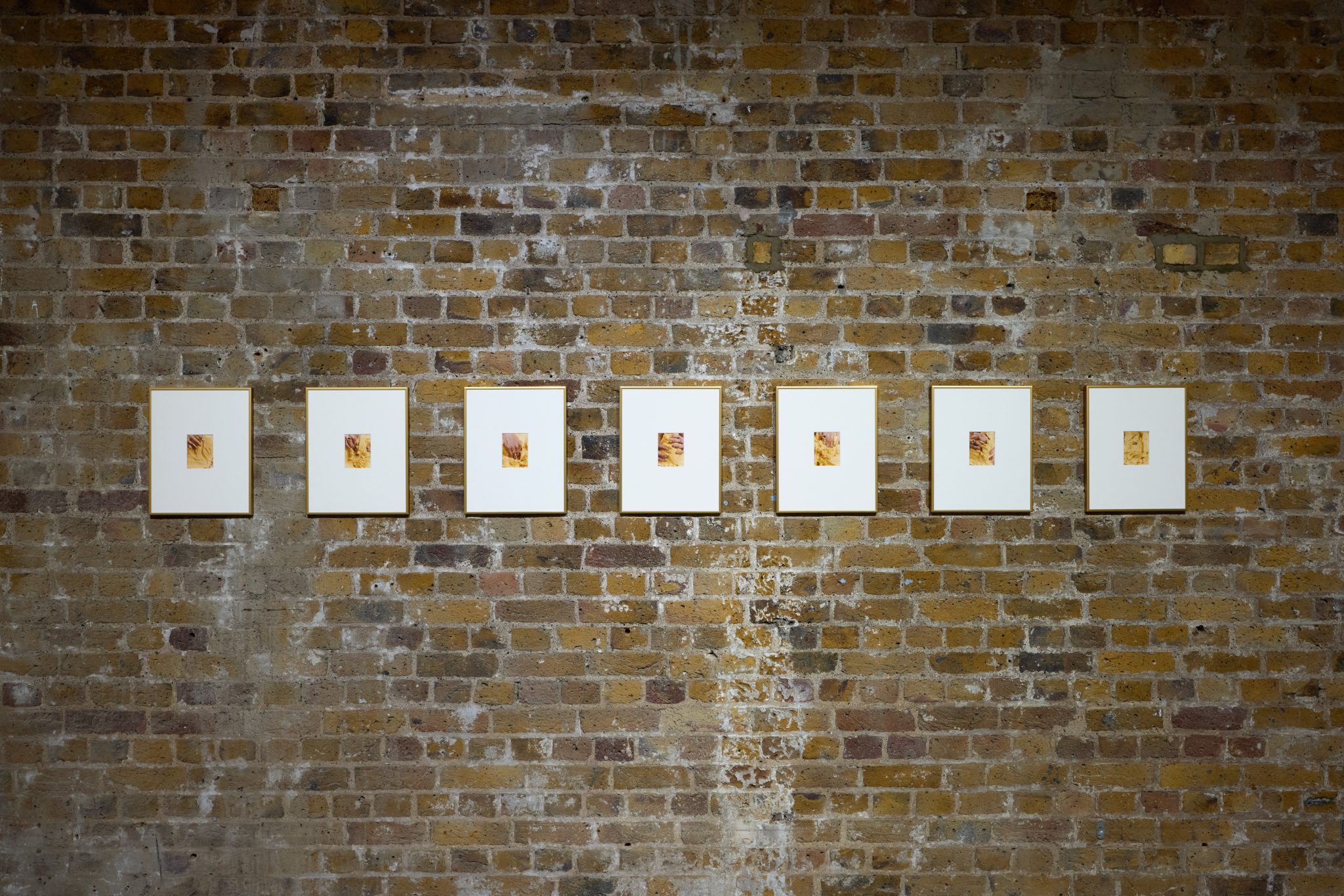
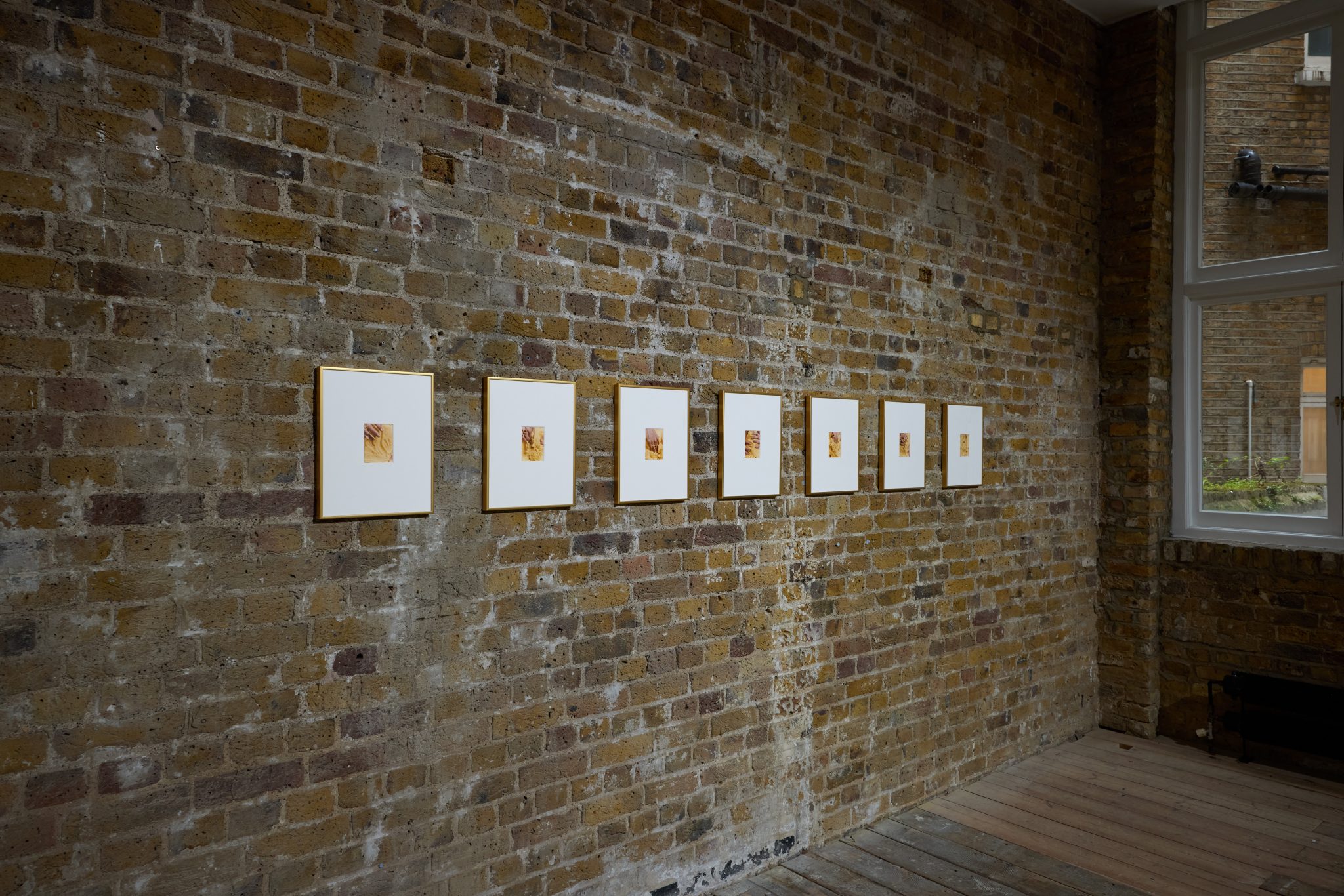
In the second room, she extends this reflection in Studies in Butter (Memorial to touch), a series of photographs showing a manicured hand wearing a bronze ring cast in the form of an orifice. The hand interacts with a sculpted mound of butter, moving from gentle caress to forceful penetration and rupture. Suspended between the aesthetic codes of commercial photography and performance documentation, the images deploy a fetishistic attention to surface, texture, and sheen. The butter’s smooth mass becomes subject to touch, deformation, and eventual destruction, its transformation meticulously recorded through a serial lens that evokes both advertising spectacle and pornographic scrutiny.
Through these gestures, Williams interrogates the unstable boundary between subject and object, probing how bodies are implicated in the circulation of goods and images. Her practice has long been attuned to the ‘material language’ of capitalism and its tactics of seduction – its ability to aestheticise excess, pacify desire, and naturalise consumption. In Dirty, this seduction is deliberately strained. The works stage a confrontation with mess, vulnerability, and obscenity, resisting the frictionless surfaces of digital culture and the disembodied consumption of images. Here, touch ultimately becomes both the medium and the problem: a trace of intimacy in an era increasingly defined by virtual mediation.
Zoe Williams (b. 1983, Salisbury, UK) is a British artist who currently lives between London, UK, and Marseille, FR.
In 2025, she was the recipient of the Carol Rama Award 2025, awarded by Fondazione Sardi per l’Arte , Turin, IT; and GAM Galleria Civica d’Arte Moderna e Contemporanea, Turin, IT.
Solo exhibitions include Le Parvis, Tarbes, FR (2025); Museum of Contemporary Art, Zagreb, HR (2024); MAH, Geneva (2024); Ciaccia Levi, Paris, FR (2024); Kaunas Artists’ House, Kaunas, LT (2024); Fraeme Projects, Friche la Belle de Mai, Marseille, FR (2023); Dortmunder Kunstverein, Dortmund, DE (2023); Mimosa House, London, UK (2019); OUTPOST, Norwich, UK (2010); and Spike Island, Bristol, UK (2010).
Her works and performances has been shown in international institutions such as Tate St Ives; Somerset House, London, UK; Roberts Institute of Art, London, UK; DCA, Dundee, UK; Heidelberger Kunstverein, DE; Le Crédac, Ivry-Sur-Seine, FR; Villa Arson, Nice, FR; and Fondazione Sandretto, Turin, IT.
Her work is part of the permanent collections of FRAC MÉCA Nouvelle-Aquitaine, Bordeaux; and Collezione Fondazione Sandretto Re Rebaudengo, Turin, Italy.